2026 Top Car Carriers Transport Types for Global Buyers
Global vehicle trade is entering a more complex phase, making car carriers transport a strategic issue for buyers, manufacturers, and logistics planners. The International Energy Agency’s Global EV Outlook 2024 expected electric car sales to exceed 17 million units worldwide. That growth is changing vessel demand, port handling, charging infrastructure, and regional shipping routes. Battery-electric vehicles may require different loading procedures. Their weight and fire-safety requirements also deserve closer attention.
Clarksons Research has reported a historically large pure car and truck carrier orderbook, reflecting strong vehicle exports and tight vessel availability. UNCTAD’s Review of Maritime Transport 2024 also highlighted continuing uncertainty across global shipping networks. Rerouted vessels, port congestion, and fluctuating fuel prices can quickly affect delivery schedules. Buyers should not judge transport types by price alone. Roll-on/roll-off vessels, container shipping, and specialized vehicle carriers each suit different cargo volumes, destinations, and risk profiles.
Lasse Kristoffersen, President and CEO of Wallenius Wilhelmsen, described the automotive sector as being “in the midst of a transformational period.” His observation is useful, but it is not a complete answer. Market forecasts can miss sudden disruptions. Port capacity can look adequate on paper, yet a single delayed sailing may leave vehicles waiting beneath covered storage, surrounded by salt air and mounting costs. This guide compares the leading car carriers transport options for global buyers in 2026, with attention to reliability, vehicle protection, transit efficiency, emissions, and total landed cost.
What Car Carriers Are and How They Support Global Vehicle Transport
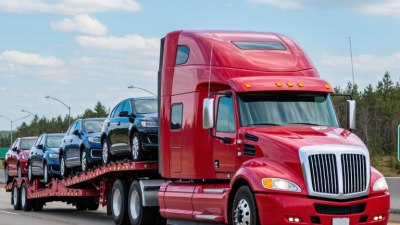
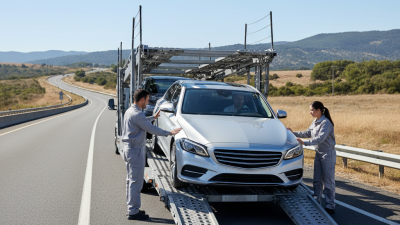
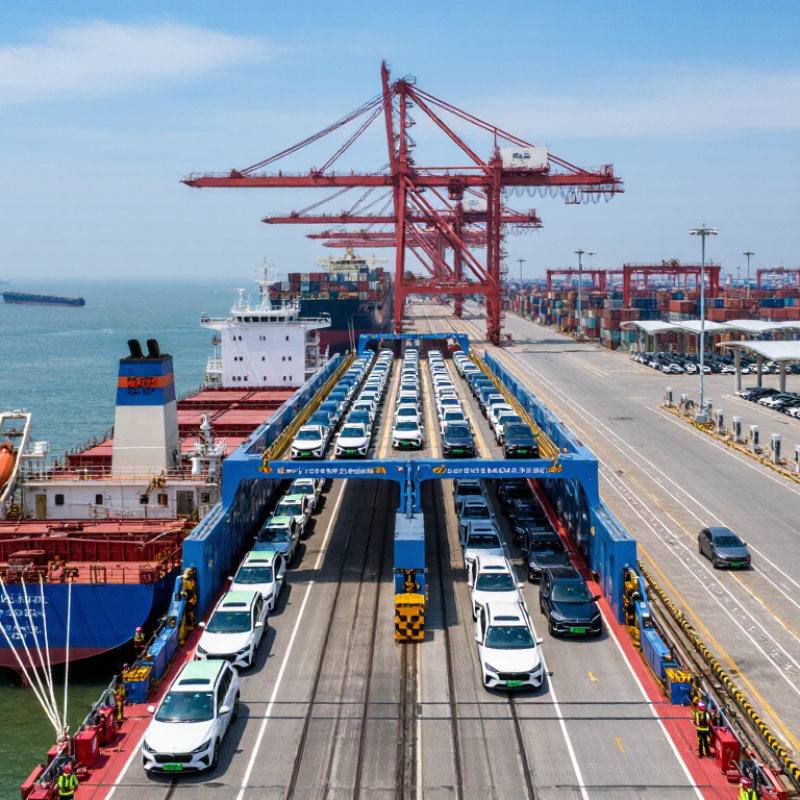
A car carrier is a specialized transport system for moving vehicles between countries. It may use a Ro-Ro vessel, enclosed container, rail wagon, or road trailer. Ro-Ro vessels allow cars to be driven onto internal decks, reducing handling during ocean transport. Container shipping offers flexible capacity, especially for damaged, rare, or high-value vehicles.
The scale is substantial. UNCTAD’s Review of Maritime Transport 2024 reported 12.3 billion tons of seaborne trade in 2023. Vehicle logistics forms one part of this wider network. Meanwhile, the International Energy Agency reported that global electric car sales exceeded 17 million in 2024. This shift creates new handling requirements. Carriers must control battery charge, prevent movement, and protect sensitive electronic systems.
Reliable transport begins before loading. Experienced operators check the vehicle identification number, photograph existing scratches, measure dimensions, and confirm loading points. A standard sedan needs different securing arrangements from a tall electric vehicle. Incorrect assumptions can cause delays or damage. That risk is easy to underestimate.
Weather matters too. Salt air can reach exposed metal during ocean transit. Enclosed transport reduces exposure but usually costs more. Port congestion also changes delivery estimates, and published schedules are not guarantees. Data from the World Bank’s Logistics Performance Index 2023 shows that customs and infrastructure remain major logistics variables. Global buyers should therefore compare handling procedures, insurance terms, tracking visibility, and documented condition checks, not only the lowest freight quote.
Main Types of Car Carriers Used in International Shipping
Global car buyers usually choose among four transport types. RoRo ships allow vehicles to be driven onto secured decks. They suit standard cars, vans, and operational vehicles. PCC and PCTC vessels use multiple enclosed decks for mixed passenger and commercial vehicles. Their ramps and deck heights support efficient loading. Container shipping protects cars from sea air and handling exposure. It works well for luxury, classic, or non-running vehicles. Flat-rack containers can carry oversized vehicles, but they need careful measurement and port approval.
The right choice depends on vehicle condition, dimensions, destination, and delivery urgency. A reliable logistics provider should confirm loading methods, lashing points, insurance terms, and port handling procedures. For example, a non-running car may require a winch, while a tall vehicle may exceed a vessel deck limit. Small details matter. I have found that buyers often focus only on freight price. That can be a mistake. Storage, inspection, inland transport, and documentation may change the final cost. No transport type is perfect for every shipment.
Tips: Ask for a written cost breakdown before booking. Provide accurate length, width, height, and weight measurements. Confirm whether the vehicle must run, roll, or steer. Photograph the exterior and interior before handover. Check the expected sailing schedule and destination port conditions. Leave room for delays; weather and terminal congestion can affect delivery.
How to Match Carriers with Vehicle Size, Quantity, and Destination
Carrier selection begins with the vehicle, not the vessel name.
Measure length, width, height, curb weight, ground clearance, and whether the car rolls. For one to four standard cars, container shipping can work when dimensions fit and loading is controlled. Larger batches usually suit roll-on/roll-off service, especially for running vehicles. Tall SUVs need verified deck clearance, not an assumed “standard” slot. Keep it simple. Measure twice.
The IEA’s Global EV Outlook 2025 records more than 17 million electric cars sold in 2024, exceeding one-fifth of new-car sales.
That shift makes electric vehicle dimensions and handling instructions important during booking. For mixed fleets, request a deck plan, vehicle count by size, securing method, and port rotation. A forty-car order may need several sailing windows, not one promise. Ask about inland delivery too. A distant destination can turn a cheap ocean rate into an expensive final-mile move.
UNCTAD’s Review of Maritime Transport 2024 places global seaborne trade at about 12.3 billion tonnes in 2023.
This figure reminds buyers that port congestion and transshipment can affect delivery. Match the destination to a direct vehicle port where possible. Otherwise, compare feeder, rail, and truck legs separately. Check draft restrictions, seasonal weather, customs paperwork, and terminal storage charges before accepting a quote. A practical caution: a perfect carrier match on paper can fail at the destination. The final 200 kilometers deserve the same scrutiny as the ocean leg.
Key Features Affecting Car Carrier Safety, Cost, and Efficiency
In 2026, global buyers should judge car carriers by safety, cost, and handling efficiency, not deck capacity alone.
Ro-ro vessels need strong ramps, reliable watertight doors, and adjustable decks for different vehicle heights. Fire detection matters greatly. Battery-powered vehicles also require careful charging limits, isolation procedures, and temperature monitoring during transport.
The Allianz Commercial Safety and Shipping Review 2024 recorded 26 total losses of large ships in 2023, across all vessel categories.
Car carriers represent only part of this figure, but the warning remains relevant. A small fire can spread quickly across tightly packed decks. Clear evacuation routes, trained crews, thermal cameras, and fixed firefighting systems deserve close inspection. More equipment does not always mean better protection.
Cost depends on fuel use, port time, cargo damage, and route reliability.
The UNCTAD Review of Maritime Transport 2024 states that shipping carries over 80% of global merchandise trade by volume. Even minor delays can affect large supply chains. The IMO 2023 greenhouse-gas strategy also pushes operators toward lower-emission fuels and more efficient engines. These upgrades may increase freight rates at first. Buyers should compare total landed cost, not only the quoted ocean rate. A wider ramp can speed loading, but it may add weight and maintenance needs. That trade-off is easy to miss.


 Track Your Shipment
 Online Enquiry
 Sign In
 English