Best Car Delivery Transport Options to Consider for Your Needs?
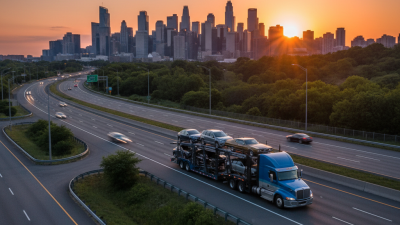
When it comes to moving your vehicle, choosing the right car delivery transport is crucial. Different options exist, each tailored to various needs. Some prefer open transport for affordability, while others opt for enclosed trailers for added protection.
Many factors come into play when making this decision. Consider the type of vehicle and the distance you need to cover. Some services excel at long distances but may lack in customer support. It’s vital to research and compare these options thoughtfully.
Often, individuals make hasty choices due to time constraints. This can lead to unexpected costs or delays. Taking the time to reflect on your specific requirements can make a significant difference. Assessing reviews and asking questions are key steps in this process. Your vehicle deserves careful consideration during transport.
Factors to Consider When Choosing Car Delivery Transport Options
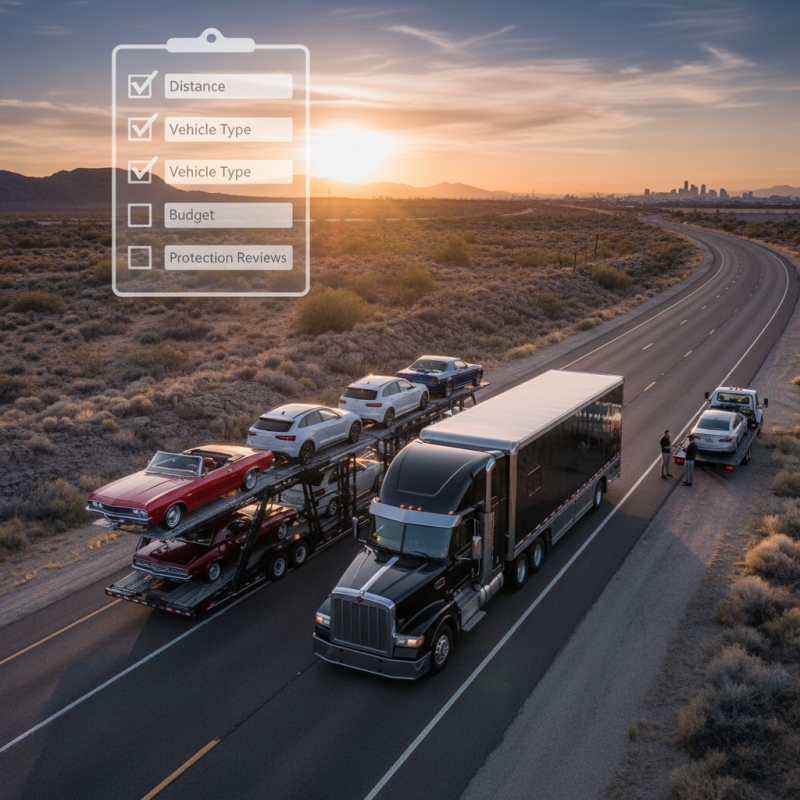
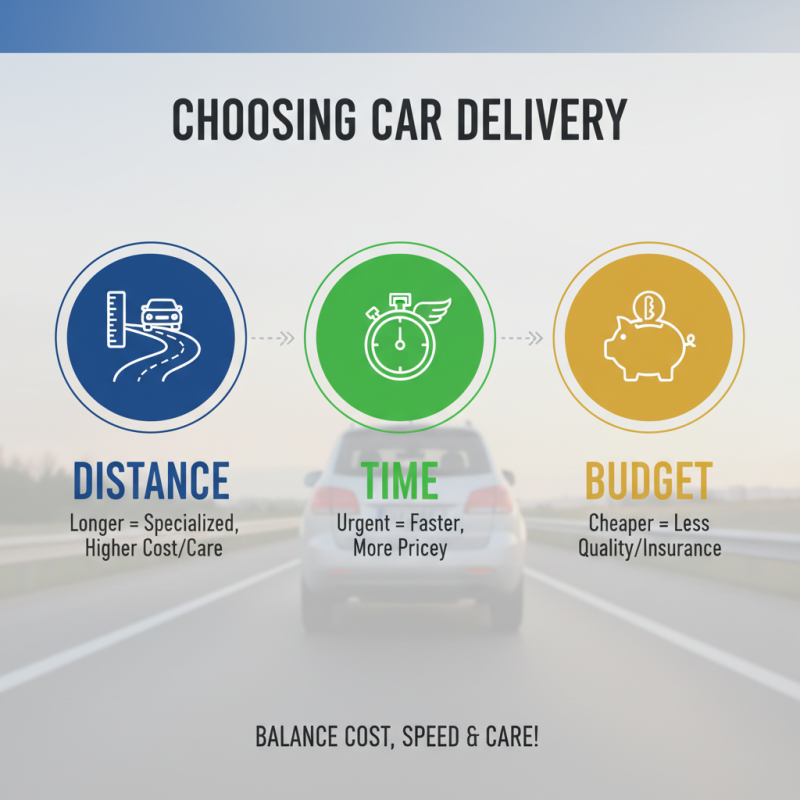
When choosing car delivery transport options, several factors come into play. The distance between locations is crucial. Longer distances may require specialized services. This can increase costs but may ensure better care for your vehicle. Consider how much time you have. Some options will take days, while others may be faster. Urgent deliveries can be pricey. Evaluate your budget. Cheaper options can lead to a trade-off in quality or service. A lower price might sacrifice important features, such as insurance.
The type of vehicle is another factor. Luxury and classic cars may need enclosed transport for protection. Standard vehicles can often use open transport. The overall condition of your car matters too. If it's older or needs repairs, additional care during transport is essential. Reflect on the pick-up and drop-off locations. Accessibility can complicate logistics. If a truck cannot reach your home, alternative arrangements may be necessary.
Evaluate the company's reputation. Reading reviews can guide your choice. Look for feedback on service quality. Some companies may promise quick delivery but fail to deliver on time. This inconsistency can lead to frustration. Not all services suit every need. Taking time to reflect on these aspects can help you avoid mistakes. It can lead to a more satisfactory transport experience.
Types of Car Delivery Services Available in the Market
When considering car delivery services, several types cater to different needs.
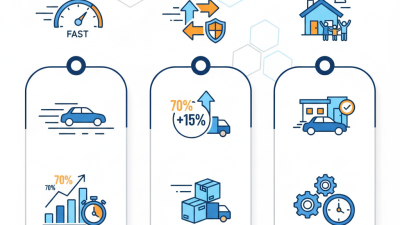
Open transport is the most common method. In this option, cars are loaded onto an open trailer. Reports indicate that about 70% of car deliveries utilize this method. It is cost-effective but exposes vehicles to the elements.
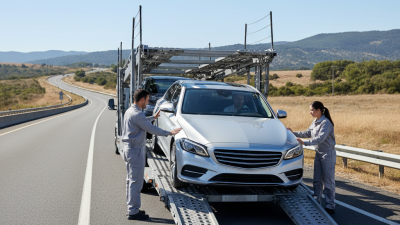
Enclosed transport provides a higher level of protection. This service uses covered trailers, shielding vehicles from weather and road debris. Although it can be more expensive, many would argue that the investment is worth the peace of mind.
Tips: Always ask about insurance coverage during transport. Many providers offer basic coverage, but additional insurance might be necessary for valuable vehicles.
Another option, door-to-door service, simplifies the delivery process. It involves picking up the car from your location and delivering it directly to the destination. This method is convenient but not always available in rural areas.
It's crucial to research various services. Not all providers offer the same level of customer service or reliability. A setback during transport can lead to disappointment. Reading reviews can help identify potential issues before choosing a service.
Cost Comparisons Among Different Car Transport Methods
When considering car transport options, it's essential to understand cost comparisons among methods. Open transport is typically the most affordable choice. It exposes cars to the elements, which can be a downside. For short distances, it might be suitable. However, for valuable vehicles, this method raises concerns.
Enclosed transport offers better protection and security. But it comes at a higher price. You might pay 20% to 50% more than open transport. This raises questions about value versus cost. Are you willing to spend more for peace of mind? The choice ultimately depends on your vehicle's worth and your budget constraints.
Expedited shipping is another option. It can significantly reduce delivery times. However, the cost can skyrocket. Prices may double compared to standard options. Some might find this unappealing, as it can feel excessive. Each method has trade-offs, and assessing your priorities is key. Always reflect on what matters most for your needs.
Best Car Delivery Transport Options to Consider for Your Needs
This chart compares the costs of different car transport methods, including Open Transport, Enclosed Transport, and Expedited Transport. Each method varies in cost and is suitable for different customer needs.
Safety Measures and Insurance for Vehicle Transport
When transporting your vehicle, safety is crucial. Before committing to a transport service, check their safety measures. They should provide enclosed transport options. This protects your car from weather and road debris. Additionally, inquire about their driver qualifications. Experienced drivers reduce the risk of accidents.
Insurance is another vital factor. Ensure the transport company offers adequate coverage for your vehicle. Ask about their policy details. If there’s damage during transit, you want peace of mind. Keep a record of your car's condition before transport. Take clear photos from multiple angles. This evidence can help if any disputes arise.
Tips: Always read reviews from past customers. Their experiences can highlight potential issues. Compare quotes from different companies, but don’t compromise safety for cost. If something feels off, trust your instincts and choose another option. Your vehicle deserves the best protection possible.
Best Car Delivery Transport Options to Consider for Your Needs? - Safety Measures and Insurance for Vehicle Transport
| Transport Method |
Safety Measures |
Insurance Coverage |
Average Cost ($) |
Delivery Time (Days) |
| Open Transport |
Standard safety protocols |
Basic liability coverage |
600 |
7-14 |
| Enclosed Transport |
Enhanced security features |
Comprehensive coverage |
1200 |
5-10 |
| Shipping via Train |
Limited exposure to elements |
Transport damage coverage |
800 |
7-12 |
| Flatbed Transport |
Secure tie-downs |
Basic liability |
700 |
5-8 |
| Door-to-Door Service |
Personalized handling |
Full insurance |
1500 |
3-6 |
Scheduling and Timelines for Car Delivery Services
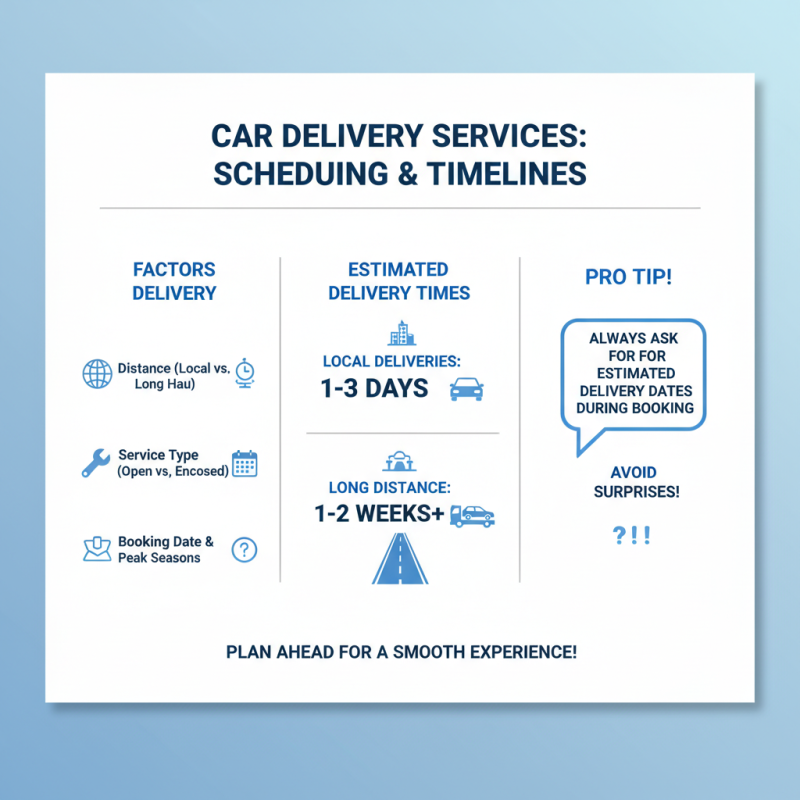
When considering car delivery services, scheduling and timelines are critical aspects. Delivery times can vary greatly, depending on factors like distance and service type. For local deliveries, timelines may range from one to three days. Longer distances could take a week or more. Always ask for estimated delivery dates during the booking process to avoid surprises.
Timing can be tricky. Sometimes, unexpected delays happen. Weather conditions, traffic, and mechanical issues can all affect delivery. It's wise to have a flexible schedule. Additionally, confirm the pickup and drop-off arrangements well in advance. This helps ensure that both parties are prepared. Communication is key to a smooth experience.
Be aware of peak seasons. During holidays or vacations, the demand for car delivery services increases. This can lead to longer wait times. Planning ahead can help mitigate the impact. Reflect on your delivery needs and choose a service that aligns with your timeline. Ultimately, understanding these dynamics will lead to a smoother transaction.


 Track Your Shipment
 Online Enquiry
 Sign In
 English