
Buying a vehicle overseas can feel exciting, but transporting it safely requires careful planning. One missing document can delay a car at the port for days. Unexpected storage fees can also change the final budget quickly.
Automotive logistics specialist John M. Peterson says, “Reliable overseas car transport begins with clear paperwork and realistic delivery expectations.” His observation reflects a practical truth. The cheapest quote is not always the best choice. Global buyers should examine carrier experience, insurance coverage, tracking options, and communication standards before booking.
This guide reviews ten overseas car transport companies serving international buyers. Each company is considered through practical details, including RoRo and container shipping, pickup flexibility, destination support, and pricing transparency. Strong providers explain customs requirements without promising impossible delivery dates. They also document the vehicle’s condition before loading and after arrival.
Look closely at the details.
A dependable company should confirm the vehicle identification number, export documents, ownership records, and delivery address. It should also explain port charges, inspection procedures, and possible seasonal delays. Laws and import rules differ between countries, so buyers must verify requirements with official customs authorities.
Some services may appear polished but offer limited support after payment. That is where this comparison becomes useful, although no ranking can replace personal due diligence. Read the contract carefully. Ask direct questions. Keep written records.
The right overseas car transport partner does more than move a vehicle across water. It reduces uncertainty from the first pickup appointment to the final delivery inspection.
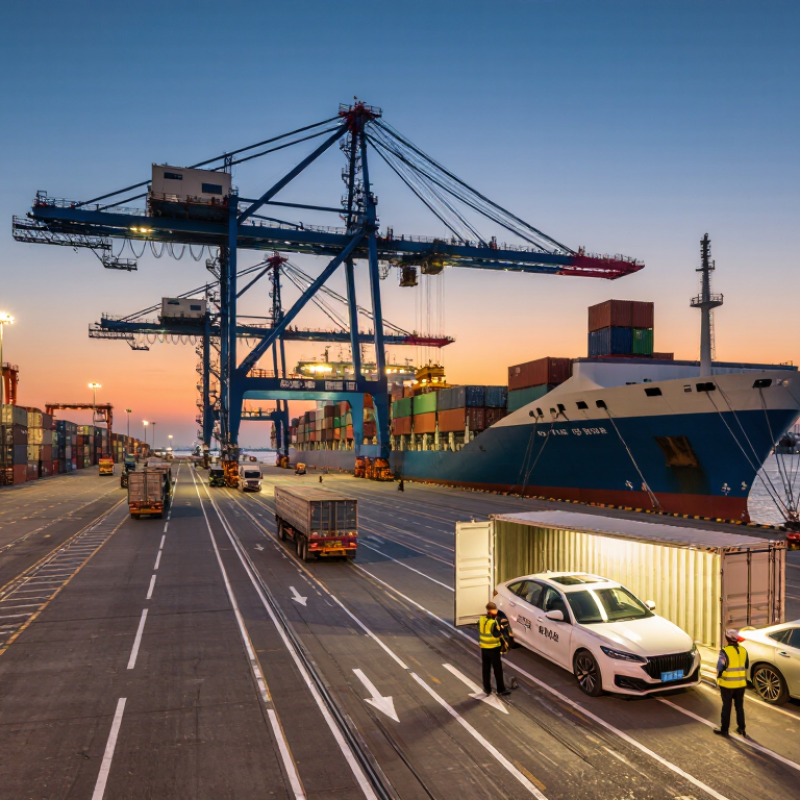
Choosing an overseas car transport company starts with verifiable experience, not a polished website. UNCTAD’s Review of Maritime Transport 2024 notes that over 80% of global merchandise trade moves by sea. That scale does not guarantee careful vehicle handling.
Ask whether the company regularly serves your departure and arrival ports. Request its carrier license, cargo insurance limits, and written damage-claim procedure. Confirm whether the quote includes port fees, documentation, terminal handling, and delivery to your address. A low estimate may exclude several of these costs. That can become expensive.
Compare RoRo and container shipping for your vehicle’s condition and value. Container transport offers stronger protection, while RoRo may cost less for operable cars. The World Bank’s Logistics Performance Index 2023 evaluates customs, infrastructure, shipment reliability, and tracking. Use those same measures when questioning a provider. Ask for milestone updates, such as booking confirmation, loading photographs, vessel departure, and arrival release. Photograph every panel, wheel, and dashboard before handover. Small scratches are easier to dispute when documented.
Check the company’s actual claims record, not only testimonials. Independent reviews can be useful, but they are incomplete evidence. Even experienced operators face port congestion, weather interruptions, and inspection delays. UNCTAD has repeatedly highlighted shipping disruptions as a source of schedule instability. A dependable provider explains these risks plainly and gives realistic timelines. I would distrust any promise of guaranteed arrival dates. Reliability is often visible in the details: clear invoices, responsive answers, and no pressure to pay unexplained charges.
Transit times vary by route, port congestion, customs clearance, vehicle type, and shipping method. Roll-on/roll-off shipping is commonly used for operable vehicles, while container shipping offers greater protection and flexibility. Air freight is the fastest option but is generally the most expensive. Buyers should compare total door-to-door costs, insurance coverage, tracking, documentation support, and destination delivery services before selecting a provider.
Typical international transit-time estimates: port-to-port service only; customs clearance and inland delivery may add additional days.
International vehicle shipping begins long before a car reaches the port. A professional carrier verifies ownership papers, vehicle details, destination rules, and delivery requirements. The vehicle is then inspected, photographed, and checked for existing damage. Details matter.
According to UNCTAD’s Review of Maritime Transport 2023, ships carry over 80% of global merchandise trade by volume. That explains why ocean freight remains central to vehicle shipping.
Cars usually travel by roll-on/roll-off service or inside secured containers. The carrier coordinates export clearance, port handling, booking, and loading. Tracking updates then follow the shipment across major transit points.
At the destination, the process becomes more local. Customs officials review invoices, identification documents, import declarations, and applicable duties. The carrier may arrange port release, inland transport, final inspection, and delivery scheduling.
The World Bank’s Logistics Performance Index 2023 evaluates customs, infrastructure, tracking, and timeliness, all of which affect this stage. A quoted transit time is not a promise. Weather, port congestion, inspections, and missing paperwork can change it.
In practice, even a well-managed shipment may need revised dates. I have found that clear document checks prevent more trouble than optimistic delivery estimates. Photos, written condition reports, and milestone updates also help buyers resolve misunderstandings before they become costly disputes.
Choosing an overseas car transport company requires more than comparing headline prices. Reliable providers explain each service stage, from vehicle collection and port loading to destination delivery. Door-to-door shipping is convenient, but port-to-port service may reduce costs. Ask whether the quote includes terminal handling, documentation, marine insurance, and local delivery fees. Unclear exclusions can turn a low quote into an expensive surprise.
Transit times depend on sailing schedules, customs processing, weather, and port congestion. A typical route may take several weeks, but no responsible provider should promise an exact arrival date. Compare estimated transit windows instead. Coverage also matters. Check whether the company serves both your collection location and final destination. Tracking updates, condition reports, and responsive support show stronger operational control. Even careful comparisons can miss small charges or delays.
Tips: Request a written, itemized quote. Confirm the vehicle’s pickup condition with dated photographs. Ask how damage claims are handled and whether insurance limits are clearly stated. Compare at least three providers using identical vehicle details and delivery terms. Read recent independent reviews, but treat them as evidence, not proof. A polished website is not enough. My own caution is simple: the cheapest option may look sensible until storage fees appear. Build a small time and budget buffer.
Choosing an overseas car transport company requires more than comparing freight prices. Customs handling is often the real test. A reliable provider should explain import duties, port charges, inspection rules, and destination procedures in plain language. Ask who prepares the commercial invoice, title documents, purchase contract, and certificate of origin. Missing one detail can delay a vehicle for weeks.
Documentation must match the car exactly. The vehicle identification number, declared value, engine data, and buyer information should remain consistent across every form. Experienced shipping specialists can identify common errors before submission, but buyers should review each page themselves. I have learned that a confident sales promise means little without written responsibilities. Regulations also vary by country and can change unexpectedly.
Insurance deserves close attention. Confirm whether coverage applies during loading, ocean transit, unloading, and inland delivery. Check exclusions for scratches, mechanical faults, flooding, and concealed damage. Request the policy limit and claim procedure in writing. Vehicle safety begins before shipment. Photograph the car from every angle, record existing dents, remove loose items, and verify that the fuel level follows carrier rules. A final inspection report helps, though it is not perfect. Even careful documentation can miss a small mark. That is why independent inspection and secure loading equipment remain valuable for global buyers.
Choosing the best car transport company for global buyers requires more than comparing prices. A low quote may exclude port handling, inland delivery, insurance, or storage fees. Ask for a written, itemized estimate before signing anything. The company should explain each charge clearly.
Check its experience with your vehicle type and destination country. A reliable provider should understand export documents, import procedures, vehicle inspection rules, and delivery restrictions. Ask who manages customs communication. You should receive a named contact, not only an automated email. Clear answers matter.
Request proof of cargo insurance and confirm its coverage limits. Ask how damage is recorded during pickup and delivery. Take dated photographs of the car, including the wheels, glass, and interior. Tracking updates should show meaningful progress, such as vessel departure or port arrival. Vague status messages are not enough.
Read recent customer feedback carefully. Look for comments about delays, communication, and claim handling. One complaint does not prove poor service. Repeated patterns deserve attention. I would also verify registration details through official transport or trade authorities when available. This step is easy to overlook.
No checklist is perfect. Weather, port congestion, and document corrections can still cause delays. A dependable company will discuss these risks early, offer realistic timelines, and keep records of every agreement. If a representative pressures you to pay quickly or avoids written answers, pause before proceeding.
| Rank | Provider Profile | Best For | Common Shipping Methods | Typical International Transit Time | Vehicle Types Accepted | Customs & Documentation Support | Tracking & Communication | Insurance Considerations | Typical Cost Range* |
|---|---|---|---|---|---|---|---|---|---|
| 1 | Profile A | Buyers seeking a full-service door-to-door solution | RoRo and shared container shipping | 4–8 weeks, depending on route and port congestion | Cars, SUVs, pickup trucks, and motorcycles | Export documentation, bill of lading, customs coordination, and delivery scheduling | Milestone updates by email or online portal | Confirm marine cargo coverage, exclusions, deductibles, and declared vehicle value | Approximately US$1,500–US$4,500 |
| 2 | Profile B | Cost-conscious buyers shipping standard vehicles | RoRo service with port-to-port delivery | 5–9 weeks | Operable passenger vehicles and light commercial vehicles | Basic export paperwork and destination-agent coordination | Booking confirmation and port milestone notifications | Verify whether coverage is included or must be purchased separately | Approximately US$1,200–US$3,500 |
| 3 | Profile C | Luxury, classic, and high-value vehicle owners | Exclusive container or enclosed container shipping | 4–8 weeks | Luxury cars, collector vehicles, electric vehicles, and modified cars | Detailed inventory records, customs guidance, and destination clearance support | Frequent status updates with named service contact | Request agreed-value or comprehensive marine insurance where available | Approximately US$2,500–US$8,000+ |
| 4 | Profile D | Buyers importing vehicles from online auctions | Shared container and inland vehicle transport | 5–10 weeks | Running and non-running cars, SUVs, and auction vehicles | VIN, title, commercial invoice, export filing, and auction-pickup coordination | Pickup confirmation plus port and vessel updates | Non-running vehicles may require special loading and additional coverage | Approximately US$1,600–US$5,000 |
| 5 | Profile E | Electric and hybrid vehicle shipments | Container shipping subject to carrier acceptance rules | 5–9 weeks | Electric, hybrid, and conventional passenger vehicles | Battery-status declarations, vehicle specifications, and customs documentation | Route updates and document-check communication | Confirm battery, charging, damage, and fire-risk exclusions before booking | Approximately US$2,000–US$6,000 |
| 6 | Profile F | Multi-vehicle buyers and dealerships | Full-container-load and consolidated container shipping | 4–8 weeks | Multiple cars, commercial vehicles, and fleet shipments | Commercial invoices, packing lists, export declarations, and consolidated customs files | Batch shipment reporting and account-based communication | Check per-vehicle limits and whether total cargo value is sufficient | Approximately US$4,000–US$12,000+ per container |
| 7 | Profile G | Buyers requiring inland pickup and final delivery | RoRo or container shipping with truck and rail connections | 5–10 weeks, excluding domestic collection time | Operable vehicles and selected oversized vehicles | Door-to-port, port-to-door, or door-to-door logistics coordination | Pickup appointment, sailing notice, arrival notice, and delivery scheduling | Clarify whether inland transport and ocean insurance are separate policies | Approximately US$2,000–US$6,500 |
| 8 | Profile H | Buyers shipping to regions with complex import rules | Container shipping with destination customs brokerage | 6–12 weeks, depending on inspection and clearance | Passenger cars, SUVs, classic cars, and commercial vehicles | Import permits, duty and tax estimates, customs classification, and inspection guidance | Document checklist and customs-status updates | Insurance does not normally cover customs duties, storage fees, or regulatory penalties | Approximately US$2,000–US$7,000, excluding duties and taxes |
| 9 | Profile I | Urgent buyers prioritizing faster routing | Priority container booking or expedited inland transport | 3–7 weeks when space and direct sailings are available | Operable cars and time-sensitive vehicle shipments | Accelerated document review and priority delivery coordination | More frequent updates during pickup, loading, and arrival | Check whether expedited handling changes coverage terms or liability limits | Approximately US$2,500–US$7,500+ |
| 10 | Profile J | Buyers comparing flexible, transparent quotations | RoRo, shared container, and customer-selected port options | 4–10 weeks | Standard cars, motorcycles, SUVs, and selected non-running vehicles | Itemized quotation, export filing, bill of lading, and destination-agent handoff | Written milestone schedule and customer-service updates | Compare declared-value coverage, exclusions, claims process, and deductibles | Approximately US$1,300–US$5,500 |
*Cost and transit figures are general industry ranges. Actual quotations vary by origin, destination, vehicle size, operating condition, shipping method, season, fuel surcharges, port fees, customs duties, taxes, and inland delivery distance.