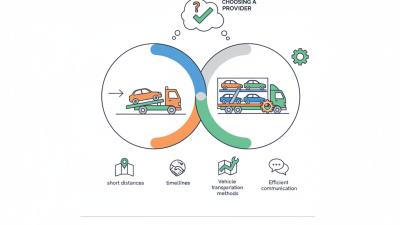
China’s vehicle market is growing, and buyers increasingly need dependable local auto transport after purchase. The China Association of Automobile Manufacturers reported 31.44 million vehicle sales in 2024, including 12.87 million new-energy vehicles. Each sale can create a delivery task, from a dealer in Shanghai to a buyer in Chengdu.
Distance matters. So does vehicle type.
The China Federation of Logistics and Purchasing continues to track transportation activity through its logistics performance indicators, showing how delivery efficiency affects business confidence. However, industry data rarely explains the buyer’s full experience. A polished showroom handover does not guarantee careful loading, accurate scheduling, or clear damage records.
This guide examines leading Chinese local auto transport companies through practical buyer concerns. These include service coverage, vehicle-handling procedures, insurance communication, tracking tools, and complaint response. Company information should be checked against official websites, business licenses, customer agreements, and current service terms. Claims can change quickly.
Experience matters here. A carrier that handles sedans daily may need different equipment for electric vehicles, luxury models, or oversized SUVs. Enclosed transport can reduce exposure to dust, rain, and road debris, although it may cost more. Open transport is often more economical, but buyers should understand its limitations.
No ranking is flawless. That is worth admitting.
Our comparison uses publicly available company information and established automotive market reports. It also considers practical delivery details, such as pre-loading photographs, pickup windows, destination inspections, and signed condition reports. Buyers should request written quotes. They should also confirm every fee before booking. Small omissions can become expensive surprises.
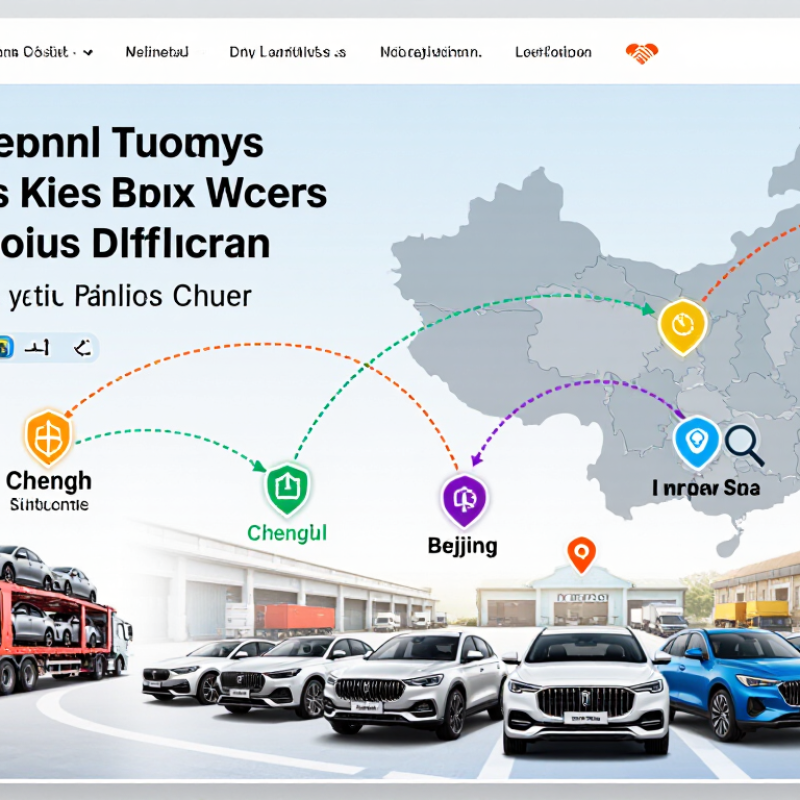
Local auto transport companies help vehicle buyers move cars between dealerships, ports, cities, and home addresses. Their work often starts with pickup scheduling and a documented condition check. Drivers note existing scratches, mileage, fuel level, and loose accessories before loading. For longer journeys, dispatch teams coordinate transfer points and provide progress updates. Some arrange open-carrier transport; enclosed options offer more protection from weather. Buyers should confirm delivery estimates, insurance terms, and how delays are communicated.
China’s vehicle market creates substantial demand for dependable movement. The China Association of Automobile Manufacturers reported 31.436 million vehicle sales in 2024. That figure describes market scale, not the quality of any transport provider. A useful service should give buyers clear pickup instructions, a named contact, and a written handover record. Still, even a careful provider may miss an update. That gap matters when a buyer is waiting at home with no delivery window.
Tips: Photograph every side of the vehicle before loading, including close-ups of existing marks. Keep the condition report and confirm who signs at delivery. Ask whether the quoted price includes insurance and residential-area access fees. Small details matter. If an answer stays vague, request written clarification before booking.
Reliable Chinese auto transport starts with evidence, not a polished quote. The China Association of Automobile Manufacturers reported 5.859 million vehicle exports in 2024, up 19.3% year on year. That scale makes clear handoffs and realistic schedules essential. Ask how the provider manages pickup, port delivery, loading checks, and status updates. Request a written route plan showing transfer points, estimated transit windows, and responsibility at each handoff. Small details matter: timestamped photos of the odometer, exterior panels, and vehicle condition can prevent disputes. Keep it simple.
Check the provider’s business registration, insurance coverage, and claims process. Confirm that coverage applies to your vehicle and the full route, rather than assuming it does. The World Bank’s 2023 Logistics Performance Index ranked China 19th, with a score of 3.7; this is a country-level benchmark, not a rating of individual carriers. Compare quotes line by line, including handling and storage fees. I would treat every delivery date as an estimate. Delays happen. Ask for recent customer references and a sample condition report before booking. A checklist cannot predict every port delay, and that limitation deserves attention.
Use this practical checklist to compare local vehicle transport providers in China. It focuses on verifiable documents, written service terms, and shipment controls rather than unsupported company rankings.
| Evaluation Dimension | What a Reliable Provider Should Explain | What Buyers Should Verify | Warning Signs |
|---|---|---|---|
| Business identity and operating authority | Provide the legal business name, service address, and relevant operating documents for the services offered. | Check that the name on the quotation, contract, payment account, and supporting documents is consistent. Confirm document details through the issuing authority or an appropriate official business-information channel. | Refusal to identify the contracting entity, mismatched names, or pressure to pay an unrelated personal account. |
| Vehicle and route capability | Specify whether the vehicle will travel by car carrier, rail-supported service, or another method, and identify any transfer points or subcontractors. | Confirm pickup and delivery locations, route assumptions, vehicle size or condition limits, and who is responsible at each handoff. | Vague answers about transport method, unexplained transfers, or promises that ignore vehicle dimensions and access restrictions. |
| Written quotation | Itemize the transport charge and disclose possible additional costs, such as difficult-access pickup, storage, or changes to the agreed service. | Compare quotations using the same vehicle details, route, service scope, and delivery requirements. Ask for any exclusions and surcharges in writing. | A surprisingly low verbal quote that changes after pickup, or charges that are not defined in the written terms. |
| Contract and delivery terms | State the vehicle identification details, agreed route, service scope, estimated schedule, payment terms, cancellation terms, and process for delays or disputes. | Read the contract before paying. Ensure the vehicle identification number (VIN), pickup and delivery locations, and responsible parties are recorded accurately. | No written agreement, blank fields, unclear responsibility, or broad exclusions that are not explained before booking. |
| Insurance and liability | Explain what coverage applies during loading, transit, unloading, and any storage, including limits, exclusions, and the claim process. | Request the relevant policy or coverage evidence and check the insured party, covered period, vehicle details, limits, and claim contact with the insurer where appropriate. | Guarantees of “full coverage” without supporting terms, unclear coverage dates, or no explanation of deductibles and exclusions. |
| Vehicle condition records | Use a condition inspection at handover and document visible damage, mileage where applicable, keys, and accessories received. | Take dated photos or video of all sides, the interior, wheels, and existing damage at pickup and delivery. Keep signed handover records and transport documents. | Rushed handovers, missing signatures, or reluctance to record existing damage before loading. |
| Shipment updates and delivery coordination | Provide a named contact, a practical update channel, and a process for confirming pickup, progress, delays, and delivery. | Agree on how often updates are provided and how the recipient will be contacted before delivery. Confirm who can authorize changes. | No accountable contact, untraceable status updates, or last-minute changes to the delivery location without consent. |
| Payment and after-service support | Provide a clear payment schedule, valid receipts or invoices as applicable, and a documented process for complaints and damage claims. | Match payment milestones to the written agreement and retain quotations, contracts, payment records, photos, and handover documents. | Requests for full payment through an unverified channel, refusal to issue payment records, or no reachable post-delivery contact. |
Buyer note: Transit times, prices, and service coverage vary by route, vehicle, season, and operating method. There is no single universal transit-time or damage-rate benchmark; compare providers using the same shipment details and obtain key commitments in writing.
China’s leading local vehicle shipping companies support buyers from collection to delivery. Their services often include factory or dealer pickup, terminal handling, and transport to a chosen city. Before loading, staff can record the vehicle’s condition, mileage, and visible marks with photos. This simple step helps both sides check for changes later.
Buyers may choose open or enclosed transport, depending on the vehicle and budget. Open carriers suit many standard cars, while enclosed trucks offer added shelter from dust, rain, and road debris. Some providers also arrange short-term storage and delivery updates by phone. Ask how often updates are sent. A vague answer deserves a follow-up.
Good operators explain pricing, estimated transit time, and what happens if collection is delayed. They should also describe their damage-claim process in plain language and provide written service terms. Check that the pickup details, destination, and vehicle information match your order. No checklist is perfect. I would still keep copies of photos and messages, because small oversights can become frustrating when schedules change. An experienced coordinator can make the process smoother, but clear records matter just as much.
Typical planning time for major vehicle-shipping stages (days)
Shipping providers may arrange export documentation, customs clearance, port handling, ocean freight, and destination delivery. These are indicative planning ranges, not company performance figures; actual timing depends on route, port schedules, vehicle type, and inspections.
Buyers comparing local auto transport companies in China should start with a written quote, not a phone promise. Ask whether the price covers pickup, loading, storage, tolls, and final delivery. A low figure may exclude terminal handling or remote-area charges. Compare the same vehicle details, including model size, condition, and pickup city. Keep the records. Photos taken at handover can clarify later disputes. In my experience, route planning changes the total cost more than buyers expect. A direct route is not always cheaper. Consolidated transport may reduce costs, but it can add handling time.
Delivery time deserves the same careful review. Request a collection window, estimated arrival range, and delay procedure. Weather, road restrictions, congestion, and vehicle inspections can affect schedules. Reliable providers explain these risks before payment. Check how they track the vehicle and when updates are sent. Daily updates sound useful. Specific updates are better. Compare insurance scope, claim steps, and responsibility during loading and unloading. Do not rely only on online ratings; examine recent feedback, clear contracts, and responsive staff. I once treated an attractive quote as complete, and that assumption was weak. A detailed comparison sheet would have exposed the missing fees earlier. Leave room for unexpected costs. Avoid choosing speed without understanding the route.
Before pickup, request the carrier’s company details, transport authorization, insurance certificate, and written price. Check the vehicle identification number, mileage, fuel level, and existing scratches on the inspection report. Take timestamped photos of each panel, wheel, glass surface, and dashboard warning light. FMCSA safety guidance emphasizes verifying carrier credentials and insurance before transportation. A phone promise is not enough. Keep the documents in one shared folder.
At handover, inspect the vehicle in daylight, if possible. Compare every mark with the pickup report before signing. Check the odometer, tire condition, keys, charging cable, and personal items. Do not rush this step. The 2023 CVSA International Roadcheck inspected 59,026 commercial vehicles, and 81% avoided out-of-service violations. That result supports inspection, but it does not guarantee one carrier’s performance. A clean roadside record cannot replace careful delivery checks.
Pricing also needs context. The American Transportation Research Institute reported an average trucking operating cost of $2.26 per mile in 2023. A quote far below normal operating costs deserves questions about insurance, scheduling, or hidden fees. Ask who handles delays, weather damage, and storage. Confirm the delivery contact and payment method in writing. Some buyers focus only on the lowest price. That is understandable, but often incomplete. A signed handover record, clear photos, and a calm final inspection provide stronger protection than confidence alone.