Moving a car can feel simple until the pickup window shifts or the delivery estimate changes. The best auto transport company makes those details easier to manage through clear communication, written terms, and practical answers. A polished website is not enough. Look for a provider that explains its process, gives a detailed quote, and identifies what the price includes. Ask how scheduling works, who will contact you, and what happens if weather or traffic causes a delay. Details matter.
A reliable choice should also explain insurance coverage and vehicle inspection procedures before transport begins. Take dated photos of your car, note any existing damage, and keep a copy of the condition report. These small steps create a useful record at pickup and delivery. Check recent customer feedback for patterns, not just glowing praise or one angry review. Ask direct questions. Then compare the answers, not only the prices.
Even a careful checklist cannot remove every delay. That is worth remembering. A low quote may leave out fees, while a higher one does not automatically guarantee better service. Request the terms in writing and read them before booking. A good carrier should welcome reasonable questions without pressuring you to decide immediately. Choosing carefully can reduce uncertainty and help protect your time, budget, and vehicle. The goal is not a perfect promise; it is a transport partner that sets realistic expectations and follows through.

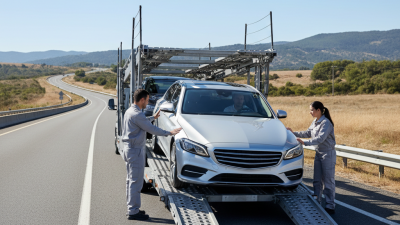
An auto transport company arranges the movement of a vehicle between two locations. Some companies operate their own trucks; others coordinate with independent carriers. Either way, the service usually includes a pickup window, delivery estimate, and instructions for preparing the car. The driver records its condition before loading, often noting scratches or chips on a vehicle inspection report. Keep a copy. Ask who handles scheduling, how delays are communicated, and what the carrier’s cargo coverage includes. A quoted price alone does not explain the whole service.
The American Trucking Associations’ 2023 American Trucking Trends report says trucks moved 72.6% of U.S. domestic freight tonnage in 2022. That figure covers freight broadly, not just cars, but it shows how much transportation depends on trucking networks. The Bureau of Transportation Statistics’ Freight Facts and Figures 2023 projected U.S. freight tonnage to grow 50% between 2020 and 2050. Forecasts are not guarantees. For a customer, the practical details matter more: whether delivery is door-to-door or at a terminal, whether the vehicle must be operable, and how weather or route changes affect timing. A small detail can create a long delay. Ask for the carrier’s name and verify its operating authority and insurance through federal records. Even a careful estimate can shift when pickup routes change.
A polished website cannot prove that a transporter is qualified. Check its operating credentials with the relevant transportation regulator, and confirm that the details match the company handling your vehicle. If a broker arranges the shipment, ask which carrier will collect the car and verify that carrier separately. Names and numbers should line up. Small mismatches deserve a question.
Insurance needs the same careful look. Request written proof of coverage, then ask what it protects during loading, transit, and unloading. Find out whether damage claims involve a deductible, exclusions, or a deadline for reporting problems. “Fully insured” sounds reassuring, but it may not explain how your specific vehicle is covered. Read the terms.
Safety is visible in practical routines. Ask how drivers secure cars, inspect vehicles before pickup, and document existing scratches or dents. A clear condition report, with dated photos taken beside the loading area, can prevent confusion later. Ask how the carrier handles delays or incidents, too. Details matter. A rushed answer is not necessarily a warning sign, but I would pause and ask again. Safety claims should be specific, consistent, and easy to verify.
Comparing Shipping Options, Costs, and Delivery Times
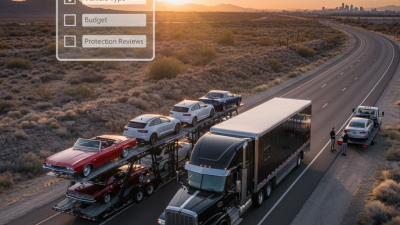
An open trailer is usually the lower-cost choice and suits many everyday vehicles. Your car travels exposed to rain, dust, and road debris, much like other vehicles on the highway. Enclosed transport adds protection and often costs more, making it worth comparing for a classic, high-value, or freshly restored car. Door-to-door service can save time when a large truck can safely reach both addresses. Terminal shipping may cost less, but you may need to arrange extra travel and wait for access to the vehicle. It depends.
Quotes can vary with distance, vehicle size, season, route, and pickup access. Compare what each price includes, such as insurance limits, fuel surcharges, and fees for an inoperable vehicle. Ask for the estimated pickup and delivery windows in writing. A low quote is not automatically a good deal; I might still be tempted by it, then wish I had checked the details. Ask clearly.
Delivery times are estimates, not promises. A cross-country shipment may take several days, while weather, traffic, and pickup delays can shift the schedule. Before booking, confirm how the carrier reports delays and what condition checks happen at pickup and delivery. Photograph the car in daylight, including existing scratches and the odometer. This small step can make a later condition review more specific. When comparing providers, look for clear answers, current insurance information, and a written agreement that matches the quote.
Reputation is more than a star rating. Read recent reviews that describe similar shipments, such as an open carrier moving a sedan across several states. Look for details about delays, vehicle inspections, and how complaints were handled. A pattern of clear, calm responses is more useful than a perfect score. Still, online reviews can be incomplete. Check what the company promises in writing, too.
Communication matters when plans change. Before booking, ask who will provide updates and how you can reach them. A reliable contact should explain pickup windows, inspection steps, and possible schedule changes in plain language. Keep the estimate and messages. If a truck arrives later than expected, a specific update is better than silence. That takes patience. Customer support should listen, give practical next steps, and avoid promising what it cannot control. A polished website alone proves little; that is easy to forget.
Tips: Ask for written pickup and delivery windows. Confirm whether the quoted price may change and why. Save photos of your vehicle before pickup, and note existing marks on the inspection report. If an answer feels vague, ask again. It may feel awkward, but clear questions now can prevent confusion later.
Why Choose the Best Auto Transport Company?
Choosing a Company That Fits Your Vehicle and Shipping Needs
Choose a carrier based on your vehicle, route, and schedule—not just the headline price. A compact car may suit open transport, while a classic car or low-clearance vehicle may benefit from enclosed service. Ask how loading, delivery inspections, and route updates are handled. Get the pickup window and estimated transit time in writing. Details matter.
Tips: Share your vehicle’s dimensions, running condition, and modifications when requesting a quote. Compare what each estimate includes, such as insurance coverage, pickup flexibility, and possible extra charges. Verify the carrier’s required operating credentials for your location, and look for specific, recent customer feedback. Ask what happens if weather or mechanical issues delay delivery. Take photos before handoff.
It is tempting to choose the lowest quote. But an unclear price is difficult to compare fairly. Ask for plain explanations of the process and written terms. Plans still shift, even with careful preparation. Choose a company that answers questions clearly, then keep the agreement handy during pickup and delivery.