How Much Does It Cost to Ship a Car from China?

How Much Does It Cost to Ship a Car from China?

Shipping a car from China rarely has one fixed price. The final amount depends on the vehicle’s size, departure port, destination, shipping method, insurance, and local handling charges. A compact sedan may use less container space than an electric SUV. That difference matters.

Industry benchmarks help explain the uncertainty. UNCTAD’s Review of Maritime Transport reports that ships carry more than 80% of global merchandise trade by volume. However, general shipping volumes do not provide a personal car quote. The Freightos Baltic Index and Drewry’s World Container Index track container-rate movements, not complete door-to-door vehicle costs. Their figures can still reveal market pressure between China and major destination regions. Rates may change before your booking is confirmed.

The shipping method creates another major difference. Roll-on/roll-off service can be practical for operable vehicles, while container shipping may offer added protection and shared-space options. You ship car transport decisions should also include export documentation, port fees, destination terminal charges, customs assessment, inland delivery, and marine insurance. Some quotations exclude these items. Read the exclusions carefully.

A realistic budget should separate origin charges from destination charges. Ask for a written breakdown showing freight, handling, documentation, taxes, and delivery. Confirm the vehicle’s dimensions and declared value. Small mistakes can become expensive revisions.

I have seen estimates look attractive until terminal storage appears. That is where many budgets fail. Reliable providers explain assumptions, cite current rate sources, and update quotes when schedules or port conditions change. This guide examines those cost elements clearly, while acknowledging that shipping prices remain seasonal and imperfectly predictable.
How Much Does It Cost to Ship a Car from China?

What Determines the Cost of Shipping a Car from China?

How Much Does It Cost to Ship a Car from China?

What Determines the Cost of Shipping a Car from China?

The shipping method is a major cost factor. Roll-on/roll-off service is often economical for operable vehicles. Container shipping offers stronger protection but usually costs more. A large SUV needs more space than a compact sedan. That difference can change the final quote.

The departure port and destination port also matter. Port distance affects inland trucking fees before loading. Destination handling, customs processing, storage, and local delivery may appear separately. Import duties, taxes, inspections, and registration charges depend on the destination country. These costs should never be assumed to be included.

Seasonal demand can raise ocean freight rates. Insurance adds protection against specific transport risks. Vehicle value, condition, dimensions, and required documents also influence pricing. A damaged car may require special loading equipment. That detail is easy to miss.

A reliable estimate should show each charge clearly. Ask whether the quote includes pickup, export handling, ocean freight, port fees, and delivery. Compare written quotations, not only headline prices. The cheapest offer may exclude important destination costs. That can create an unpleasant surprise.

Cost estimates are not perfectly fixed. Fuel prices, exchange rates, port congestion, and schedule changes can affect them. Even experienced shippers must review the quotation before payment. Small errors happen. Careful verification prevents larger ones.

How Much Does It Cost to Ship a Car from China?

Estimated shipping costs for a standard passenger car shipped by RoRo from a Chinese port to the destination port.

Ocean freight is usually the largest cost, while route distance, vehicle size, port handling, insurance, fuel prices, seasonal demand, and destination charges also affect the final price. These planning estimates exclude import duty, VAT or sales tax, customs brokerage, inland delivery after arrival, storage, and vehicle modifications. Actual quotations vary by shipment date, port, vehicle dimensions, and shipping method.

Which Shipping Methods Are Available for Exporting a Car?

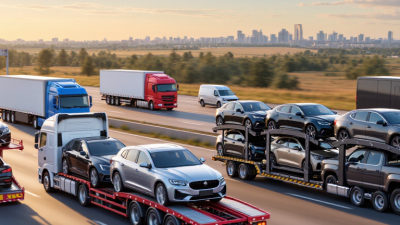
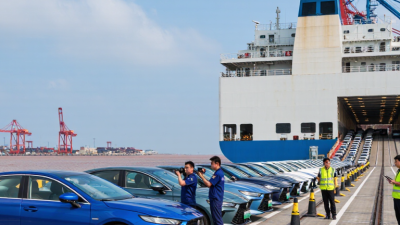
Shipping a car from China usually involves sea, rail, air, or multimodal transport. Sea freight remains the common choice for complete vehicles. UNCTAD’s Review of Maritime Transport 2024 states that more than 80% of global trade by volume moves by sea. RoRo shipping loads a drivable vehicle onto a vessel, reducing handling and often lowering costs. However, container shipping offers stronger protection for premium, non-running, or customized cars. Sea freight dominates.

Rail freight can shorten delivery times between China and parts of Europe or Central Asia. It usually costs more than ocean transport but less than air freight. Route availability, border transfers, and seasonal capacity can change the final price. Air freight is the fastest option, but it is rarely economical for ordinary vehicles. IATA reports that air cargo carries over 60% of global trade value, showing its role in urgent, high-value logistics. Yet, a car’s weight and dimensions make this method expensive. My practical view is simple: speed is attractive, but it can distort the budget quickly.

Tips: Request separate quotes for RoRo, container, and rail service. Check whether port handling, inland delivery, customs processing, insurance, and storage are included. Confirm the vehicle’s battery condition and dimensions before booking. Small measurement errors can create large charges. Transit estimates are not guarantees, especially during holidays or port congestion. UNCTAD data helps explain market pressure, but it cannot predict every shipment. Conditions change.

How Much Does It Cost to Ship a Car from China? — Available Export Shipping Methods

Shipping Method Typical Use Estimated Ocean Freight Cost* Typical Transit Time Space and Vehicle Requirements Main Advantages Important Considerations
Roll-on/Roll-off (RoRo) Standard passenger cars, SUVs and other operable vehicles shipped on a specialized vessel US$1,000–US$3,000 Approximately 25–45 days, depending on the destination and sailing schedule The vehicle normally must be operable, with limited personal belongings and fuel kept at a permitted level Usually the most economical option for eligible vehicles; efficient loading and unloading Less suitable for non-running, modified or very high-value vehicles; sailing frequency may be limited
20-Foot Container One compact or mid-size vehicle, or cargo requiring enclosed transport US$1,500–US$3,500 Approximately 25–50 days Vehicle dimensions must fit the container door and internal space; loading requires secure blocking and lashing Provides protection from weather and handling exposure; suitable for higher-value vehicles Usually less cost-efficient for one large vehicle; destination handling and documentation fees are additional
40-Foot or 40-Foot High-Cube Container Two or more smaller vehicles, or a vehicle shipped together with permitted commercial cargo US$2,500–US$5,500 Approximately 25–50 days Vehicles must be safely positioned without exceeding the container’s weight, height or loading limits Can reduce the average freight cost per vehicle when space is efficiently shared Loading design is critical; unsuitable vehicle combinations may prevent efficient use of the container
Shared Container (LCL or Consolidated Vehicle Space) Smaller vehicles or shipments that do not require a full container US$1,300–US$3,000 per vehicle Approximately 30–55 days Availability depends on consolidation schedules, vehicle dimensions and the packing plan Can lower the upfront cost compared with booking an entire container May involve longer processing times, additional handling and less flexibility in departure dates
Flat-Rack or Out-of-Gauge Container Oversized vehicles, vehicles with unusual dimensions or vehicles that cannot fit inside a standard container US$3,000–US$8,000+ Approximately 30–60 days Requires specialized securing, dimensional approval and confirmation that the vessel can accept over-width or over-height cargo Accommodates vehicles that do not fit standard container equipment Higher freight and handling costs; cargo may have greater exposure to weather and port operations
Air Freight Urgent delivery, prototypes or exceptionally high-value vehicles US$8,000–US$20,000+ Approximately 3–10 days, excluding customs clearance Subject to strict aircraft size, weight, fuel, battery and hazardous-material regulations Fastest international transport option Usually uneconomical for ordinary passenger cars; airport handling and security charges can be substantial

*Estimated ocean freight ranges are indicative planning figures for a standard passenger vehicle exported from China. The final price can vary according to the Chinese loading port, destination port, vehicle size and weight, sailing season, fuel surcharges, exchange rates, insurance, customs duties, destination taxes, port handling, inland transportation, documentation, inspection and customs-clearance fees. These estimates do not represent a guaranteed quotation.

What Fees Are Included in the Total Shipping Cost?

Shipping a car from China involves more than the ocean freight shown in an initial quotation. The total usually includes pickup from the factory or seller, export documentation, customs handling, and delivery to the loading port. A vehicle moving through Shanghai may also incur terminal handling, weighing, storage, and inspection charges. Ocean freight depends on the route, season, vehicle size, and shipping method. RoRo service may suit a running car, while container shipping can offer better protection for high-value vehicles.

Destination fees often surprise first-time importers. These may include unloading, port security, customs brokerage, import duty, value-added tax, registration inspection, and final inland delivery. Insurance is separate in many quotations. The Freightos Baltic Index tracks ocean container rates, but it does not represent the complete landed cost. Drewry’s World Container Index similarly focuses on container freight, not taxes or destination charges. UNCTAD’s Review of Maritime Transport 2024 reported approximately 12.3 billion tonnes of seaborne trade in 2023, showing the scale of the system, but not its local fee differences.

Ask for a line-by-line quotation. Confirm currency, free storage days, port names, and whether duties are included. A realistic example might show 1,200 dollars for inland transport, 1,500 dollars for ocean freight, and 900 dollars for destination charges before taxes. Rates change. My own caution is simple: the cheapest quote may omit inspection or storage fees, and that omission can become expensive quickly.

How to Calculate a Car Shipping Estimate from China

How Much Does It Cost to Ship a Car from China?

A reliable car shipping estimate starts with the vehicle, route, and shipping method. Record the car’s length, width, height, weight, model year, and running condition. RoRo shipping often suits operable cars, while container shipping may protect valuable or oversized vehicles better. Freight charges normally include ocean transport, origin handling, documentation, and destination port fees.

Add inland delivery on both sides. A factory pickup may require a truck, export inspection, terminal storage, and loading charges. At destination, budget for unloading, customs processing, port handling, taxes, registration, and final delivery. Insurance should be calculated separately from the vehicle’s declared value. Do not treat a port-to-port quote as a door-to-door price.

Industry reports can explain sudden changes. UNCTAD’s Review of Maritime Transport 2024 reported that traffic through the Suez Canal fell by about 70% during the disruption period. Longer routes can increase fuel, vessel, and insurance costs. The World Bank’s 2023 Logistics Performance Index also ranked China 19th globally, showing strong logistics capability, but local port performance still varies.

I usually build three estimates: low, realistic, and high. My first estimate has sometimes missed storage days. That mistake matters. Ask the forwarder for a written breakdown, the quotation validity period, currency, transit route, and excluded charges. Leave a 10% to 20% contingency for rate changes and unexpected port delays.

What Steps Are Involved in Shipping a Car Internationally?

Shipping a car internationally starts with compliance, not a freight quote. Confirm the vehicle’s ownership, age, condition, and destination-market requirements. Customs authorities may request the title, purchase invoice, export declaration, and identification documents. Requirements differ sharply between countries, so a port agent or licensed customs broker should verify them in writing.

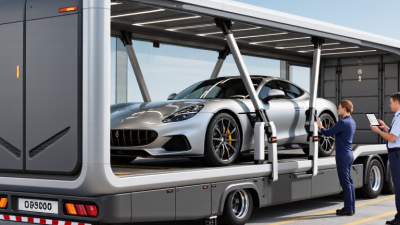
The transport plan comes next. Choose roll-on/roll-off service for a drivable vehicle, or a sealed container for extra protection and loose parts control. The United Nations Conference on Trade and Development reported in its Review of Maritime Transport 2024 that over 80% of global merchandise trade by volume moves by sea. That scale explains the availability of ocean routes, but not their reliability. Weather, port congestion, and schedule changes still matter. Obtain a detailed quotation covering inland collection, terminal handling, ocean freight, documentation, insurance, and destination charges. Many “cheap” quotes are incomplete.

Before loading, photograph every panel, record the odometer, remove personal items, and leave only the agreed fuel level. Export customs then checks the shipment before the vehicle reaches the vessel. At arrival, destination customs reviews documents, assesses duties and taxes, and may order an inspection. The World Bank’s Logistics Performance Index 2023 highlights customs efficiency and shipment tracking as major logistics performance factors. Ask for milestone updates at booking, gate-in, loading, arrival, and release. My own checklist is not flawless; one missing document can still delay delivery for days. Build in time and budget, rather than trusting the smoothest estimate.