How to Effectively Organize International Car Transport: A Complete Guide
In the ever-evolving landscape of global logistics, the realm of international car transport stands out as a crucial component for individuals and businesses alike. According to John Smith, a renowned expert in the field of logistics and international transportation, "Navigating the complexities of international car transport requires meticulous planning and a thorough understanding of regulations." This sentiment underscores the importance of effectively organizing every step of the process to ensure that vehicles reach their destinations safely and efficiently.
As more people consider relocating or purchasing vehicles from overseas, the demand for reliable international car transport services continues to grow. Whether it’s a personal car being shipped for relocation or a classic vehicle purchased from abroad, the intricacies of customs paperwork, shipping methods, and cargo insurance cannot be overlooked.
This guide aims to provide comprehensive insights into the best practices for organizing international car transport. By detailing the essential considerations and outlining the steps required to streamline the process, we aspire to empower individuals and businesses to make informed decisions that minimize risks and enhance overall satisfaction in their car shipping endeavors.

Understanding the Basics of International Car Transport
Understanding the basics of international car transport is crucial for anyone looking to move a vehicle across borders. The process often involves several key steps, including selecting the right shipping method, understanding customs requirements, and preparing the vehicle for transport.
Generally, there are two primary methods for shipping a car internationally: container shipping and roll-on/roll-off (RoRo) shipping. Container shipping, while more expensive, offers better protection for the vehicle, whereas RoRo is more economical but exposes the vehicle to the elements during transport.
Navigating customs regulations is another critical component of international car transport. It is essential to research the specific requirements of both the exporting and importing countries. This includes understanding documentation needed for customs clearance, such as the bill of lading and export certificates, as well as tariffs and taxes that may apply. Proper preparation can help avoid delays and additional costs. Additionally, ensuring that all paperwork is in order and that the vehicle complies with the destination country's regulations can streamline the process and prevent complications upon arrival.
Choosing the Right Shipping Method for Your Vehicle
When organizing international car transport, choosing the right shipping method is crucial for ensuring the safety and efficiency of your vehicle’s journey. There are primarily two methods: container shipping and roll-on/roll-off (RoRo) shipping. Container shipping provides a high level of protection, as your vehicle is securely housed in a container, shielding it from the elements and any potential damage during transit. This method is particularly advantageous for luxury or vintage cars, as it minimizes exposure to external risks.
On the other hand, RoRo shipping is often more cost-effective and faster. In this method, the vehicle is simply driven onto the shipping vessel and secured for the journey. While it typically doesn’t provide the same level of protection as container shipping, it can be an excellent choice for robust vehicles or standard cars being transported without valuable modifications. Understanding the specifics of each method will help you make an informed decision based on your budget, the value of your vehicle, and the level of protection you desire during transport.
Preparing Your Vehicle for International Transport
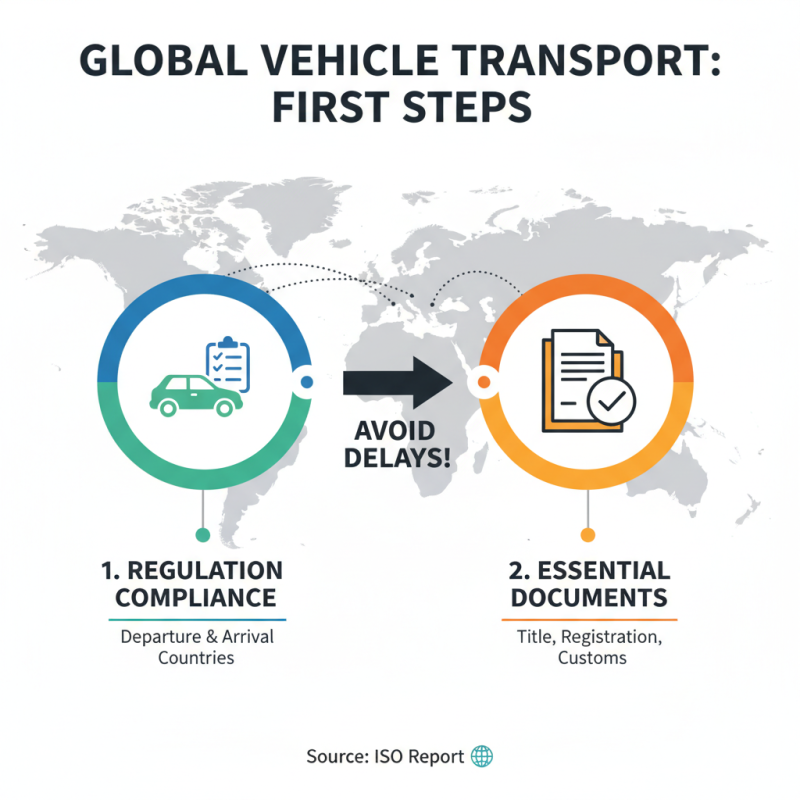
When preparing your vehicle for international transport, the first step is ensuring it complies with both the departure and arrival countries' regulations. According to a report by the International Organization for Standardization (ISO), proper documentation is crucial, as improper paperwork can lead to delays or extra charges. Ensure that you have all necessary documents, such as title and registration, and check for any specific customs requirements that may apply based on your vehicle's make and model.
Additionally, it’s essential to conduct a thorough inspection of your vehicle before transportation. The American Automobile Association (AAA) recommends checking fluid levels, tire pressure, and battery condition, as issues in these areas can affect the transport process. Taking photographs of your vehicle from all angles before it is loaded can also provide a record of its condition, which can be useful in case of damage during transit. Keeping your gas tank no more than a quarter full is advised to reduce weight and minimize potential spillage during the trip. By taking these preparatory steps, you can enhance the efficiency and safety of the car transport process.
Documentation and Customs Requirements for Car Shipping
When organizing international car transport, one of the most critical aspects is ensuring that all documentation and customs requirements are met. Depending on the destination country, you may need to prepare various documents, including a bill of lading, proof of ownership, and insurance documentation. Additionally, understanding the specific customs regulations for the vehicle is essential, as different countries have varying import restrictions and duties. It's advisable to research these requirements thoroughly before shipping your car to avoid unexpected delays and additional costs.
Tips: Before shipping, create a comprehensive checklist of all necessary documents to avoid last-minute scrambles. Ensure that all paperwork is completed accurately and submitted well in advance of your shipping date to facilitate smooth customs clearance.
Another vital consideration during the transport process is the customs clearance procedure upon arrival. It’s crucial to coordinate with a trusted customs broker who can guide you through the local regulations and taxes applicable to your vehicle. They will help you understand any potential import duties and necessary inspections that are required in your destination country.
Tips: Communicate clearly with your customs broker and keep them updated on your shipping timeline to ensure a seamless experience upon arrival. Familiarize yourself with the common pitfalls associated with customs clearance to prepare for any surprises.
Managing Costs and Insurance for International Car Transport
When organizing international car transport, managing costs and insurance is crucial to ensure a smooth transition. First, it is essential to estimate the overall expenses involved in the transport process. This includes shipping fees, customs duties, and additional charges that may arise during transit. Researching various shipping companies and obtaining quotes can help you compare prices and services. Be sure to factor in the distance, the mode of transport (container shipping versus roll-on roll-off), and the condition of the vehicle, as these elements can significantly affect the total cost.
In addition to costs, securing adequate insurance coverage is vital for protecting your investment. International car transportation can involve various risks, such as damage during transit or theft. Hence, obtaining comprehensive insurance that covers the car for its full value is advisable. It is important to review the insurance policy details carefully, ensuring that specific clauses related to international transport are included. Engaging with a reputable provider who specializes in insuring vehicles for international shipping can safeguard against unforeseen circumstances, providing peace of mind throughout the transport process.


 Track Your Shipment
 Online Enquiry
 Sign In
 English