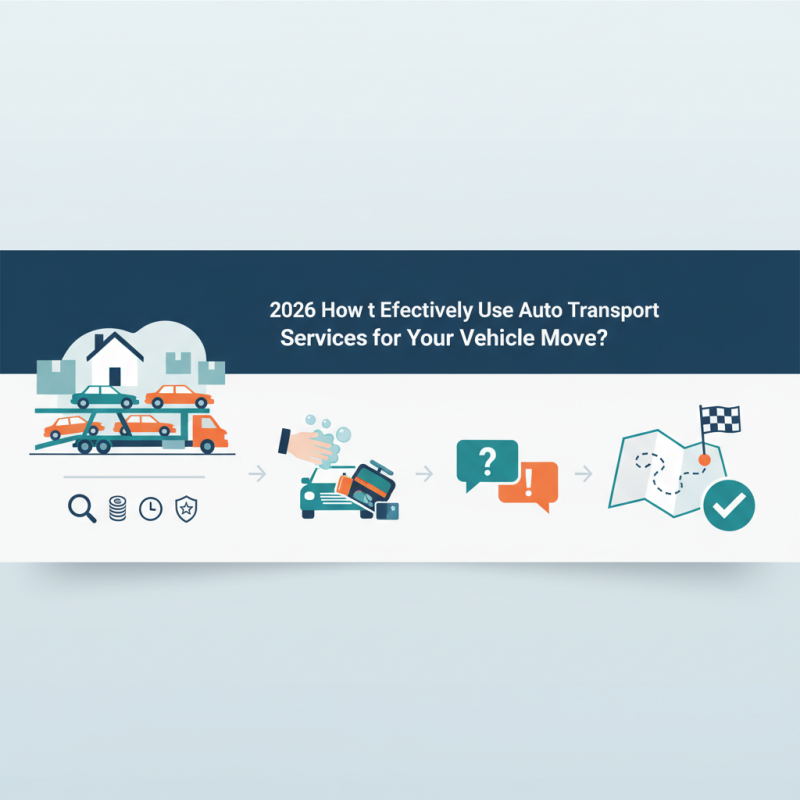
2026 How to Effectively Use Auto Transport Services for Your Vehicle Move?
When moving your vehicle, choosing the right auto transport service is crucial. Many options exist, but the best fit depends on your needs. Researching is essential before making a decision. Factors to consider include cost, delivery time, and service reputation.
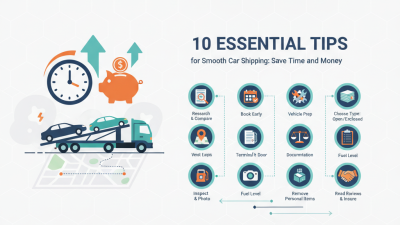
The auto transport process can be overwhelming. Many people feel unsure about how to prepare their vehicles. You should clean your car and remove personal items before transport. This simple step can prevent issues during the move.
Additionally, communication with the transport company is vital. Ask questions about their experience and procedures. Sometimes, details may be unclear, leading to stress. Understanding the process can help ease any concerns. Explore your options and select an auto transport service that fits your moving plan perfectly.
Understanding Auto Transport Services: Types and Options
Auto transport services offer various options to ensure your vehicle is moved safely and efficiently. Understanding these types can help streamline the process. Common types include open transport and enclosed transport. Open transport is cost-effective and widely used, but your vehicle is exposed to outside elements. Enclosed transport, while more expensive, provides higher protection from weather and road debris.
Many people choose auto transport services due to convenience. According to industry data, nearly 80% of individuals moving long distances opt for professional services. However, there are pitfalls. Not all services are created equal. Some carriers may have hidden fees or unreliable schedules. Therefore, it’s vital to read customer reviews and verify carrier credentials before making a decision.
Tips: Always request multiple quotes. This can help you compare prices and services. Additionally, inspect your vehicle before transport. Take photos of any existing damage. This documentation can be crucial if disputes arise later. Lastly, be wary of deals that seem too good to be true—they often are.
Factors to Consider When Choosing an Auto Transport Company
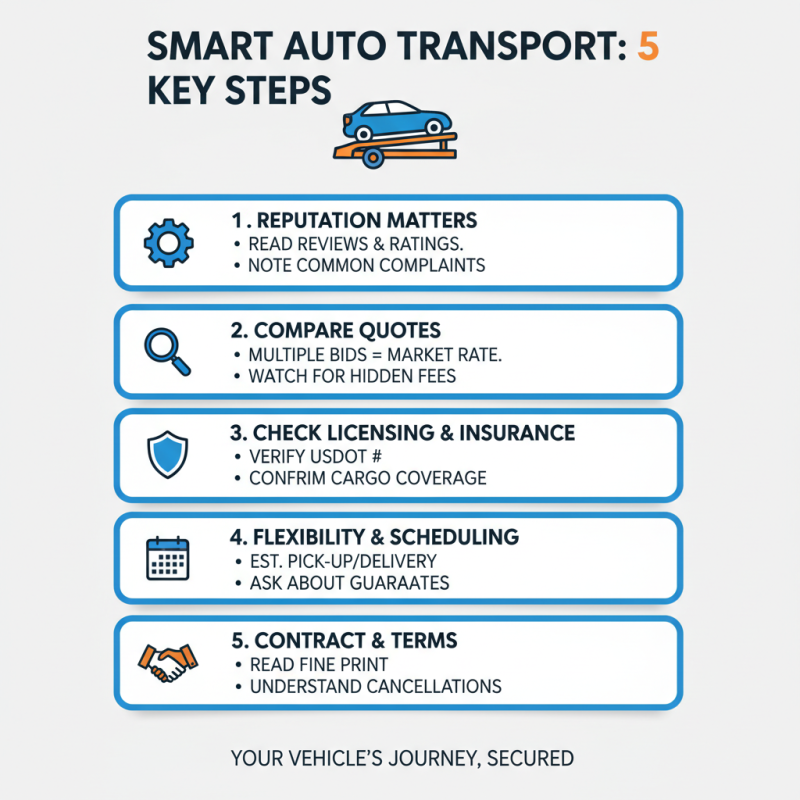
Choosing the right auto transport company is crucial, as it can greatly affect your vehicle's safety and your overall experience. Start by evaluating the company's reputation. Look for customer reviews and ratings online. Pay attention to common complaints. A company with consistent issues may not be trustworthy. Gathering multiple quotes can help you understand the market rate. This could also reveal hidden fees. Be wary of quotes that seem too good to be true.
Insurance coverage is another essential factor. Ensure that the company provides adequate insurance for your vehicle. While most reputable companies do, their policies can vary. Understand what is covered during transit. If you have a luxury or vintage car, additional insurance might be wise. Communication is key, too. A responsive company usually indicates good customer service. Can you easily reach them with questions? This can help ease your mind throughout the transport process.
Lastly, consider the logistics of your move. Is your vehicle accessible for pickup? Some companies may charge extra for difficult locations or specific time frames. Clarifying these details upfront can prevent misunderstandings later. Reflect on your priorities. If saving money is your main goal, you might overlook some essential factors. However, investing in quality service can lead to peace of mind when moving your vehicle.
Cost Factors and Budgeting for Auto Transport Services
When planning to transport your vehicle, budgeting is crucial. Various factors impact auto transport costs. Generally, the average cost for transporting a car ranges from $500 to $1,500. This can vary based on distance, vehicle size, and transport type, such as open or enclosed trailers. A recent industry report noted that fuel prices could affect rates by as much as 20%.
Tips: Always request multiple quotes. This gives you a better idea of the fair market price. Consider the timing of your move. Off-peak seasons can lead to lower costs.
Insurance is another cost factor. Verify if the company offers coverage during transit. Lack of appropriate insurance can lead to unexpected expenses. It’s essential to understand the specifics of the coverage provided. Know what your vehicle is worth. This aids in budgeting for potential insurance gaps.
Tips: Read the fine print. Many overlook important details in contracts. Having clarity on these points can save money later. Reflect on your vehicle’s condition when moving. If it’s high value, consider investing in enclosed transport for added safety.
2026 Auto Transport Services Cost Analysis
Tracking Your Vehicle During Transport: What to Expect
When moving your vehicle with auto transport services, tracking your vehicle is crucial. Many transport companies provide tracking options. You'll likely receive a tracking number. This allows you to monitor your vehicle's location in real-time. It helps reduce anxiety about your car's journey.
Tips: Ensure you check your tracking email regularly. Update your contact information to receive the latest alerts. If it's been a while without updates, don't hesitate to reach out to the company.
Although tracking seems straightforward, issues can arise. Sometimes, tracking updates may lag behind. Your vehicle might be delayed due to weather or route changes. Patience is essential in these situations. While waiting can be frustrating, remember that safe transport is the priority.
Tips: Establish a communication plan with the transport service. Know who to contact for updates. Keep your phone handy for important notifications. Not every transport journey will go smoothly, but staying informed helps ease concerns.


 Track Your Shipment
 Online Enquiry
 Sign In
 English