10 Essential Tips for Smooth Car Shipping: Save Time and Money
In the bustling automotive industry, car shipping has become an essential service for individuals and businesses alike. According to the American Moving and Storage Association, approximately 15% of Americans relocate each year, leading to an increased demand for reliable car transportation solutions. As the market continues to grow, understanding the nuances of efficient and cost-effective car shipping is vital for all stakeholders involved.
Industry expert John Smith, a veteran in the car shipping sector, states, "Saving time and money in car shipping hinges on knowledge and preparation. When consumers are informed, they can avoid common pitfalls that lead to extra costs." With fluctuating fuel prices and evolving logistics technologies, optimizing the car shipping process has never been more critical. By following essential tips to streamline operations, customers can enhance their shipping experience while minimizing expenses.
Whether you’re a first-time shipper or a seasoned professional, recognizing the key factors that contribute to smooth car shipping can significantly impact your overall logistics strategy. In this article, we’ll explore ten essential tips designed to help you navigate the complexities of car shipping while ensuring you save valuable time and money.
Understanding the Car Shipping Process: A Step-by-Step Overview
Shipping a car can seem daunting, but breaking it down into manageable steps can simplify the process significantly. First and foremost, it’s essential to understand how the car shipping process works. Begin by researching and selecting a reliable shipping company. Look for reviews and testimonials to ensure you're making an informed choice. Once you've picked a company, you'll need to gather necessary documentation such as the car title, registration, and proof of insurance, which will facilitate a smoother shipping experience.
One of the crucial tips for a seamless car shipping experience is to prepare your vehicle properly. Before the shipping day, clean the car and remove any personal belongings. This helps in inspecting the vehicle condition pre- and post-transport. Additionally, consider taking photos of your vehicle from various angles to document its state before shipping. Another tip is to communicate clearly with the shipping company. Make sure to ask about the estimated shipping time, any additional fees, and their specific procedures. Keeping these lines of communication open can save you both time and stress.
Finally, timing can greatly influence both the cost and convenience of car shipping. If possible, plan your shipment during off-peak seasons, as rates are often lower and service providers more readily available. Always request quotes from multiple companies and compare their services to ensure you’re getting the best deal. By following these steps and implementing these tips, you can navigate the car shipping process with confidence and ease.
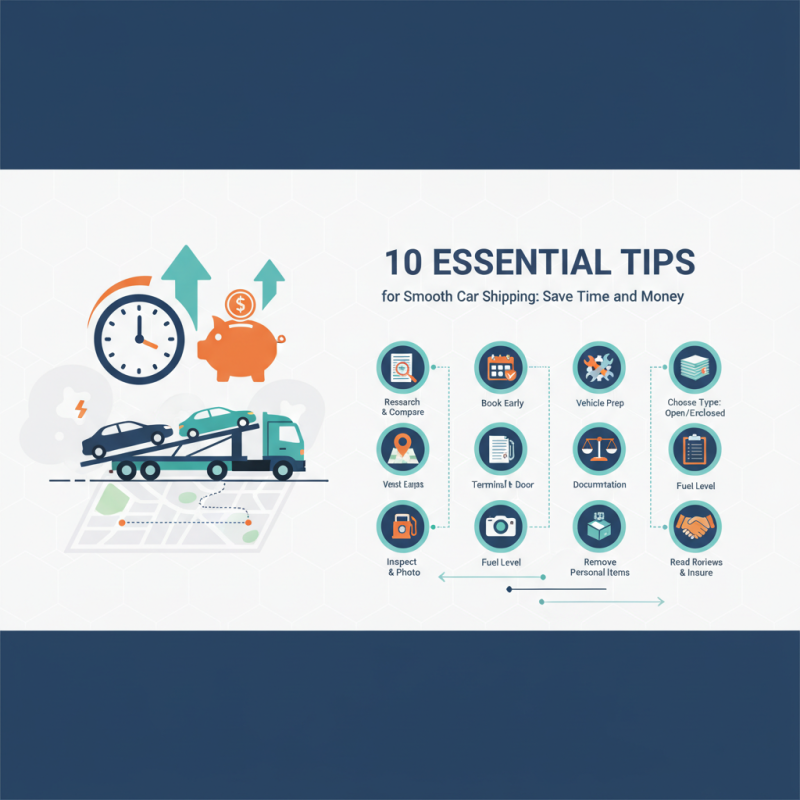
10 Essential Tips for Smooth Car Shipping: Save Time and Money
| Tip Number |
Tip Description |
Estimated Cost Savings |
Time Saved |
| 1 |
Research multiple shipping companies |
Up to $500 |
1 week |
| 2 |
Book your shipment well in advance |
10-20% |
3 days |
| 3 |
Choose open transport for cost-effectiveness |
$300 |
N/A |
| 4 |
Prepare your vehicle for shipping |
Avoid fees for excess weight |
2 days |
| 5 |
Check insurance options |
Varies |
N/A |
| 6 |
Document your vehicle's condition |
Minimize disputes |
N/A |
| 7 |
Understand the delivery timeline |
Avoid unexpected costs |
1 week |
| 8 |
Communicate with your carrier |
Ensure clarity on costs |
N/A |
| 9 |
Read customer reviews |
Prevent poor service |
N/A |
| 10 |
Stay flexible with dates |
Up to $200 |
1-2 days |
Choosing the Right Car Shipping Service: Key Factors to Consider
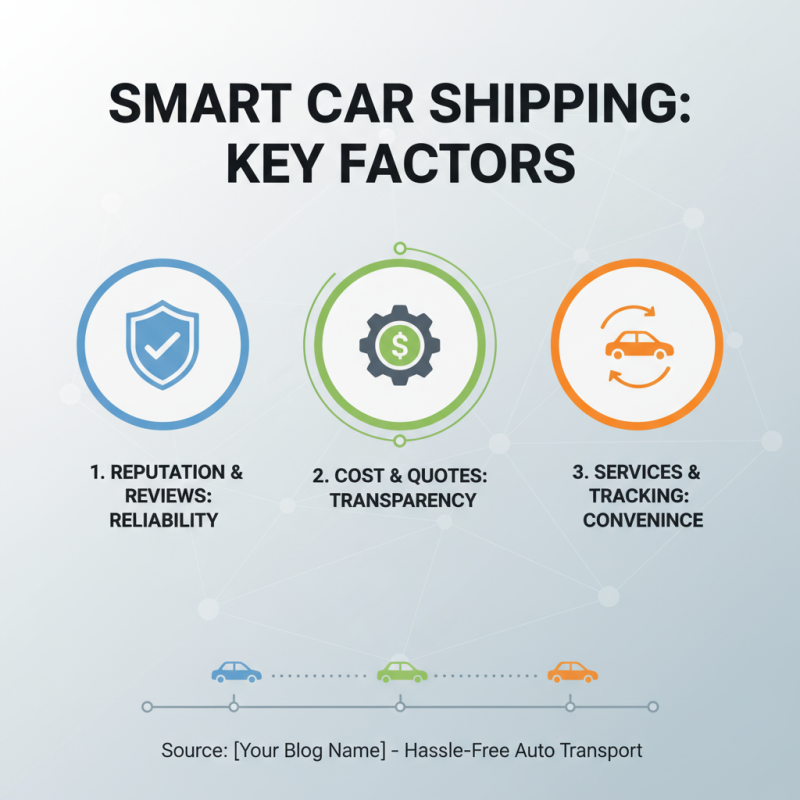
When selecting a car shipping service, it’s essential to assess several key factors to ensure a smooth and cost-effective experience. First, consider the reputation of the shipping company. Reading reviews and testimonials can provide insights into their reliability and customer service. A company with a strong track record will likely handle your vehicle with care and keep you informed throughout the shipping process.
Another vital aspect is the type of transport they offer. Open transport is often more affordable, but it exposes the vehicle to the elements. Conversely, enclosed transport offers better protection but can come at a higher price. Evaluate your budget and the level of protection you desire for your vehicle while deciding on the shipping method.
Additionally, inquire about the insurance coverage included in their service. It's crucial to understand what is covered in the event of damage or loss during transit. This will safeguard you against unexpected costs.
To save both time and money, request quotes from multiple services and ask about any discounts they may offer for referrals or multiple vehicles. Thorough research can lead to significant savings and a smooth transport process.
Preparing Your Vehicle for Shipping: Essential Guidelines
Preparing your vehicle for shipping involves several key steps that can significantly influence the overall experience. First, ensure that your car is in good working condition; check the battery, tires, and fluid levels. A properly functioning vehicle is less likely to incur issues during transit. Additionally, take photographs of your car from multiple angles to document its condition before shipping. This can provide peace of mind and serve as evidence in case of any disputes regarding damage.
Secondly, it is crucial to remove any personal items from your vehicle. Shipping companies often have policies that prohibit personal belongings within the vehicle during transportation, as they can be lost or damaged. Apart from ensuring compliance, this practice also minimizes the risk of theft or loss of valuable items. Finally, familiarize yourself with the insurance coverage provided by the shipping service, and consider purchasing additional protection if necessary. Taking these preparatory steps will contribute to a smoother car shipping experience while saving you both time and money.
Cost-Saving Strategies for Car Shipping: Tips and Tricks
When it comes to car shipping, managing costs is a top priority for many vehicle owners. According to industry reports, the average cost of transporting a car within the continental United States ranges from $700 to $1,200, depending on distance and vehicle type. To save on these expenses, one effective strategy is to choose open transport over enclosed transport, as the former typically reduces shipping costs by 20-30% without compromising the safety of the vehicle.
Planning ahead can also result in significant savings. Research indicates that booking your car shipment at least two weeks in advance can reduce costs by up to 15%. Additionally, shipping during the off-peak seasons, typically from September to February, can lead to more competitive pricing, as demand for car shipping services tends to drop during these months. Another tip is to explore multiple quotes from carriers; reports suggest that comparing at least three different service providers can result in savings of as much as $500. By leveraging these cost-saving strategies, customers can effectively manage their car shipping expenses while ensuring a smooth process.
Tracking Your Shipment: Ensuring Timely Delivery and Communication
Effective communication and tracking your shipment are critical components of a successful car shipping experience. In the auto transport industry, research indicates that clients who utilize shipment tracking services report a 25% higher satisfaction rate. This statistic underscores the importance of real-time updates and transparent communication channels with your shipping provider. By knowing the whereabouts of your vehicle during transit, you can reduce anxiety and make necessary arrangements on your end.
Moreover, implementing a robust tracking system can lead to significant time and cost savings. According to recent data, 40% of delays in car shipping can be attributed to poor communication and lack of updates. Utilizing tools that allow for GPS tracking and notifications can minimize these delays by keeping all parties informed. When shippers and customers are on the same page, it not only enhances the efficiency of the shipping process but also fosters trust and reliability, which are indispensable in the automotive logistics field.


 Track Your Shipment
 Online Enquiry
 Sign In
 English