How to Find Cheap Car Transport Options in 2026?
In 2026, the demand for cheap car transport options is expected to surge. According to industry reports, the market for vehicle transportation is projected to grow at a rate of 7% annually. With rising fuel prices and economic uncertainty, consumers are seeking affordable solutions. This shift highlights the importance of exploring diverse transport options.
Many people underestimate the complexities of finding reliable and cheap car transport. Factors such as distance, vehicle type, and seasonal demand play crucial roles. A recent survey indicated that 45% of customers prioritize cost over quality. This trend necessitates a strategic approach to ensure both affordability and safety, which can often conflict with one another.
Exploring various platforms and services can reveal hidden opportunities for savings. Some carriers may offer discounts for flexible shipping dates. However, it's vital to balance cost with reliability. That said, the landscape is changing. As more consumers demand transparency and efficiency, companies must adapt. The quest for cheap car transport in 2026 demands critical thinking and awareness.

Understanding the Factors Influencing Car Transport Costs in 2026
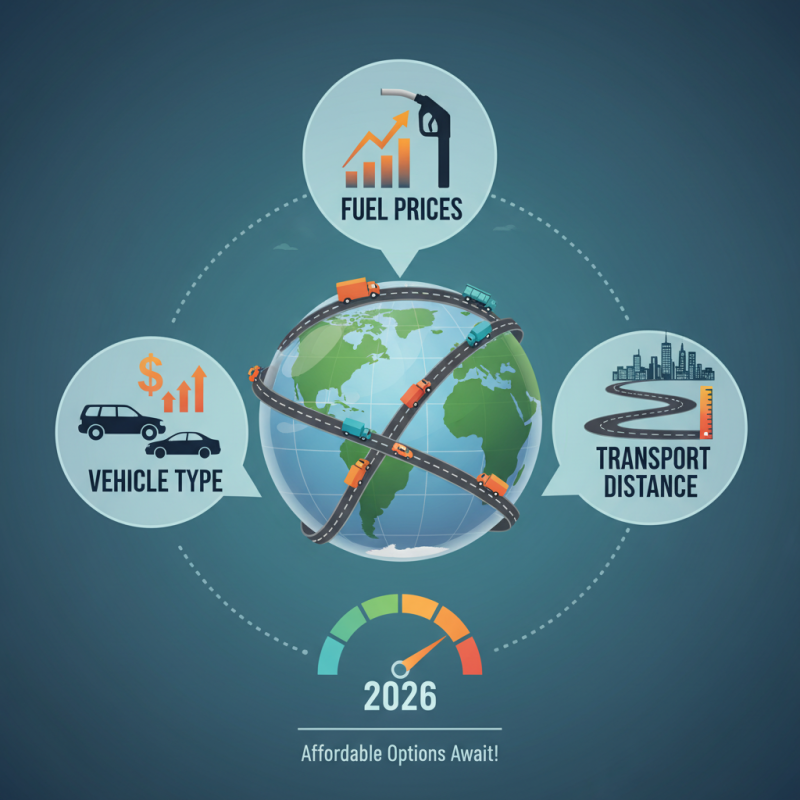
In 2026, understanding the factors influencing car transport costs is essential for anyone seeking affordable options. Industry reports indicate that fuel prices, vehicle type, and transport distance play significant roles in overall costs. The price of fuel is expected to remain volatile, impacting transport fees. A heavier vehicle may incur higher charges, while smaller cars are typically cheaper to transport.
When examining transport options, consider seasonal demand. Data from the American Transportation Research Institute shows that costs can surge during peak seasons, especially summer and holidays. Insight suggests that booking in advance can secure better rates. This is especially true for cross-country transport.
Tips: Always compare multiple quotes to gauge the best deal. Research the company's reliability by checking reviews and ratings. Don’t overlook additional fees, such as insurance or terminal charges. A transparent provider will outline potential extra costs upfront. Reflecting on these factors leads to better decision-making when choosing transport.
Comparing Different Car Transport Methods: Price vs. Reliability
When considering car transport options in 2026, comparing price and reliability is crucial. The American Transportation Research Institute states that shipping a vehicle can cost anywhere from $500 to $1,500. Price fluctuations depend on distance, method, and vehicle type. Open transport is generally cheaper but may expose vehicles to weather and debris.
Reliability is another factor to weigh. Data from the National Auto Transport Association indicates that enclosed transport methods, while pricier at 30% more, offer better protection against damage. Many consumers report that they prefer this method for luxury vehicles. However, availability can be limited. It’s essential to research company reviews and ratings to gauge reliability over price. A slight increase in cost may provide significant peace of mind.
Many people find that balance between price and reliability isn’t straightforward. It requires careful consideration of individual needs and circumstances. As transport options expand in 2026, emerging trends might change these calculations, making it wise to stay informed.
Car Transport Methods Comparison (2026)
This chart compares different car transport methods based on their average cost and reliability ratings in 2026. The methods include Open Transport, Enclosed Transport, and Rail Transport.
Utilizing Technology: Apps and Websites for Affordable Car Transport
In 2026, technology simplifies finding affordable car transport options.
Various apps allow users to compare prices instantly.
They list different carriers, helping individuals make informed choices.
With just a few taps on your smartphone, you can access a wide range of services.
Websites also play a crucial role. Many platforms provide user reviews and ratings.
This feedback is essential when selecting a transport service. It helps to gauge reliability and trustworthiness.
However, not all reviews are genuine.
Some may be overly positive or negative, requiring careful assessment.
It's important to be cautious. While technology offers convenience, it can also mislead.
Some apps may have hidden fees.
Always read the fine print before committing.
Users should ask questions to ensure they're getting the best deal.
Engaging directly with transport providers can often reveal better options not listed online.
Analyzing Seasonal Trends Affecting Car Transport Rates in 2026
Seasonal trends play a vital role in determining car transport rates in 2026. During peak seasons, such as summer and holidays, demand for transport services often skyrockets. A report from the Transportation Research Board indicates that rates can increase by up to 30% during these busy periods. This fluctuation can heavily impact budgets for individuals and businesses alike.
In the winter months, demand typically decreases. This presents opportunities for cost-effective transport options. However, weather conditions may affect service reliability. A comprehensive analysis reveals that while winter rates might be lower, potential delays could lead to added costs. Planning ahead becomes essential in managing these variables effectively.
Understanding these seasonal trends allows consumers to make informed decisions. Keeping track of when to book transport is crucial. Reports suggest that reserving services at least three weeks in advance can save about 15% on costs. Being aware of market fluctuations empowers potential customers to explore cheaper alternatives and avoid last-minute price hikes.
Negotiation Tactics for Securing Better Rates with Car Transport Companies
Negotiating with car transport companies can be tricky, but knowing the right tactics can significantly lower your costs. According to industry reports, the average price for car transport in 2026 is expected to range from $800 to $1,200. Many factors influence these rates, including distance, vehicle type, and seasonality. Being informed about these variables allows you to negotiate more effectively.
One crucial tip is to research various companies and their price structures. A report by the National Transport Association suggests that customers who compare at least three quotes can save approximately 20%. Additionally, asking about seasonal discounts can also be beneficial. Transport companies often have slower periods, where they might offer reduced rates.
When communicating with transport providers, clearly state your needs. For instance, if you have flexibility in your pick-up dates, mention it. Companies may offer lower rates for less urgent shipments. Transparency about your budget also helps, as providers may adjust their quotes to meet your expectations. Remember, not every deal will be perfect, so be ready to weigh options. Each conversation is an opportunity for learning, both for you and the company.


 Track Your Shipment
 Online Enquiry
 Sign In
 English