

 Track Your Shipment
 Online Enquiry
 Sign In
 English
How to Find Reliable Truck Car Transport Services?
Reliable truck car transport is not chosen by price alone. A clean website, a low quote, and a friendly phone call can still hide weak carrier controls. The U.S. Department of Transportation’s Federal Motor Carrier Safety Administration provides the SAFER database, where customers can review operating authority, insurance status, inspection results, and safety records. These details create a useful starting point. They do not guarantee perfect service.
The American Trucking Associations’ 2024 American Trucking Trends report shows trucking remains central to the U.S. economy and moves most domestic freight by weight. That scale matters. Vehicle shipping requires the same discipline, but with added risks, including loading damage, delivery delays, and unclear condition reports. Chris Spear, president and CEO of the American Trucking Associations, describes trucking as “the backbone of our economy.” His statement explains why carrier quality deserves careful attention.
Look for written pickup windows, cargo insurance details, cancellation terms, and a documented vehicle inspection. Ask whether the company is a broker, a carrier, or both. This distinction can change who actually handles your vehicle. A reliable provider should explain the process without pressure. Be cautious when answers remain vague.
No database tells the whole story. Customer reviews can be selective. Safety scores can change. Even experienced providers face weather, mechanical failures, and scheduling errors. That is the uncomfortable part. Good research reduces uncertainty; it never removes it. This guide explains how to compare truck car transport companies using evidence, practical questions, and realistic expectations.
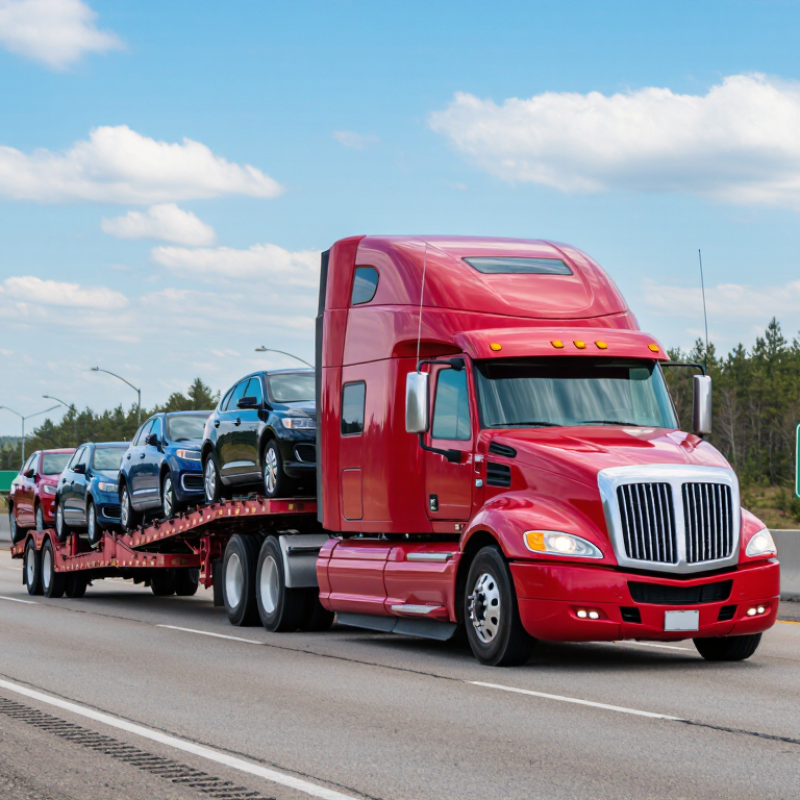
Define Your Truck Car Transport Requirements
Defining your truck car transport requirements is the practical starting point for finding reliable service. A vague request can create unclear pricing, missed appointments, and avoidable stress. Record the truck’s model year, length, width, height, weight, running condition, and modifications. Measure roof racks, toolboxes, lifted suspension, and oversized tires. Small details matter. A truck that starts but cannot brake or steer may need different loading equipment.
Specify pickup and delivery addresses, not only city names. Note narrow gates, steep driveways, gravel roads, and clearance limits. Choose acceptable pickup and delivery windows. Ask how delays are handled. Decide whether open or enclosed transport suits the vehicle, weather exposure, and budget. If the truck carries personal items, confirm the carrier’s written policy before loading anything. I once underestimated a driveway slope. The appointment changed. That mistake taught me to inspect access photos early.
Request a written quote showing the transport method, included services, payment stages, cancellation terms, and insurance limits. Ask how existing damage is recorded and whether both parties sign a condition report. Take timestamped photos of every side, the odometer, and loose parts before handover. Confirm the driver’s contact process and delivery verification steps. Check operating history, clear communication, and independent customer feedback instead of trusting polished claims. Leave room for uncertainty. Weather, mechanical issues, or routing changes can affect timing, even with careful planning.
How to Find Reliable Truck Car Transport Services? - Define Your Truck Car Transport Requirements
| Requirement Area | Information to Define | Typical Planning Data | Reliability Check | Why It Affects the Quote or Service |
|---|---|---|---|---|
| Vehicle type | State whether the vehicle is a pickup truck, box truck, flatbed truck, tractor unit, or another commercial vehicle. | Vehicle category, make-free model description, number of axles, and whether it is modified. | Ask whether the carrier has equipment suitable for the vehicle’s size, ground clearance, and loading method. | Oversized, tall, or modified trucks may require specialized trailers, permits, escorts, or additional loading time. |
| Dimensions and weight | Provide accurate length, width, height, curb weight, and loaded weight. | Measure the vehicle with attached accessories, racks, mirrors, spare tires, or other protruding items included. | Require the carrier to confirm maximum deck height, trailer capacity, and permitted vehicle dimensions in writing. | Incorrect measurements can cause failed loading, route restrictions, permit requirements, or extra charges. |
| Vehicle condition | Identify whether the truck is running, rolling, steering, braking, or damaged. | Operational, inoperable, accident-damaged, missing wheels, low-clearance, or partially dismantled. | Confirm whether a winch, forklift, crane, ramps, or special handling crew will be used. | Non-running or damaged vehicles generally need extra equipment and handling, increasing the transport cost. |
| Pickup and delivery locations | Give complete addresses, access restrictions, contact details, and preferred loading areas. | Residential, commercial, auction, construction site, dealership, warehouse, or terminal location. | Check road width, turning space, overhead clearance, weight limits, loading docks, and appointment rules. | Restricted access may require a nearby transfer point, smaller local vehicle, or additional site coordination. |
| Transport distance and route | Define the origin, destination, preferred route, and whether the shipment crosses state or national borders. | Use road miles rather than straight-line distance; identify toll roads, mountain routes, ports, or border crossings. | Request confirmation of route planning, permits, customs responsibilities, and possible transfer points. | Distance, fuel use, road restrictions, tolls, border procedures, and seasonal conditions influence price and timing. |
| Transport method | Choose open transport, enclosed transport, flatbed, lowboy, step-deck, or another suitable trailer type. | Open trailers are commonly used for standard vehicles; enclosed or specialized equipment provides additional protection or capacity. | Verify trailer type, tie-down method, loading angle, weather protection, and cargo-security procedures. | Equipment compatibility affects vehicle safety, loading feasibility, protection level, and total cost. |
| Pickup and delivery dates | Specify the earliest pickup date, required delivery date, and flexibility window. | Use a date range when possible instead of requiring an exact appointment time. | Ask for separate estimated pickup and delivery windows, delay procedures, and notification requirements. | Tight schedules may require expedited dispatch, dedicated equipment, or premium routing. |
| Insurance coverage | Define the vehicle’s declared value and the risks that must be covered during loading, transit, and unloading. | Coverage should be reviewed against the vehicle value, deductible, exclusions, and cargo type. | Request a current certificate of insurance and confirm policy limits directly with the insurer when appropriate. | A low policy limit or exclusion may leave the owner responsible for part of a loss or damage claim. |
| Licensing and carrier authority | Identify the legal carrier responsible for the shipment and the jurisdictions involved. | For regulated routes, verify applicable motor-carrier registration, operating authority, and safety records. | Match the legal carrier’s name and registration details across the contract, insurance documents, and shipment paperwork. | Clear legal responsibility makes it easier to verify legitimacy, insurance, and claims procedures. |
| Included services and charges | List loading, unloading, storage, permits, tolls, inspections, fuel surcharges, and accessorial fees. | Compare the full written total, deposit, balance due, payment method, cancellation terms, and extra-charge triggers. | Reject vague estimates that do not identify what is included or when the price may change. | Transparent pricing reduces disputes and helps compare offers on an equivalent basis. |
| Inspection and documentation | Prepare photographs, mileage, visible damage notes, keys, accessories, and vehicle documents. | Take dated photographs of all sides, the roof, wheels, interior, odometer, and existing damage before loading. | Use a signed condition report at pickup and delivery, and record any new damage before accepting delivery. | Consistent records support accurate condition comparisons and strengthen any legitimate damage claim. |
| Communication and tracking | Set expectations for status updates, emergency contacts, arrival notices, and delivery confirmation. | Agree on update frequency, contact channels, tracking availability, and escalation procedures. | Confirm that the responsible dispatcher or carrier contact is identified in the written agreement. | Reliable communication helps manage delays, access problems, weather events, and delivery changes. |
Planning reference: Actual requirements, permits, insurance rules, transit times, and charges vary by vehicle, route, jurisdiction, season, and carrier equipment.
Related Posts
-

2026 Best Auto Transport Options for Safe Vehicle Shipping?
-

How to Choose the Best Overseas Car Transport Service?
-
Top Vehicle Freight Transport Methods for Efficient Shipping Solutions?
-

Top 10 Local Auto Transport Services You Can Trust?
-
2026 Best Cheap Car Transport Options for Global Buyers
-

How to Transport Your Car from Canada to the US: A Comprehensive Guide

