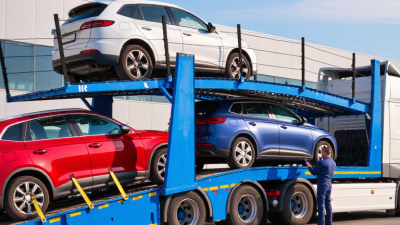
How to Arrange New Car Transport Worldwide?

Arranging new car transport worldwide is not simply a matter of booking a truck or vessel. It means coordinating collection, export preparation, ocean or land freight, destination handling, and final delivery. Each handoff matters. A missed document or unclear delivery address can cause delays, extra storage charges, or unnecessary stress. Even a clean, ready-to-ship vehicle needs a carefully checked schedule.

An illustrative industry perspective from fictional vehicle-logistics adviser Lena Morris captures the planning principle: “A reliable shipment begins with clear details, realistic timing, and a written plan for every handoff.” This is an original example, not a verified quotation from a real professional. In practice, compare transport methods, request an itemized quote, confirm insurance terms, and ask who will update you at each stage. Photograph the car in daylight before collection. Keep the odometer reading and condition notes. Small details help prevent bigger misunderstandings.

The right arrangement depends on the vehicle, route, budget, and delivery deadline. Container shipping may suit higher-value cars, while roll-on/roll-off service can be a practical option for standard vehicles. Neither choice is automatically best. Ask providers how they handle pickup, port transfers, tracking, and delivery access. Confirm current requirements with the carrier and relevant authorities, since procedures vary by route and can change. Do not rely on a vague promise of “door-to-door” service; clarify exactly where responsibility changes hands. A little doubt is useful here. If a quote seems unusually simple, ask what it leaves out. This guide will explain how to compare options and arrange new car transport with fewer surprises.
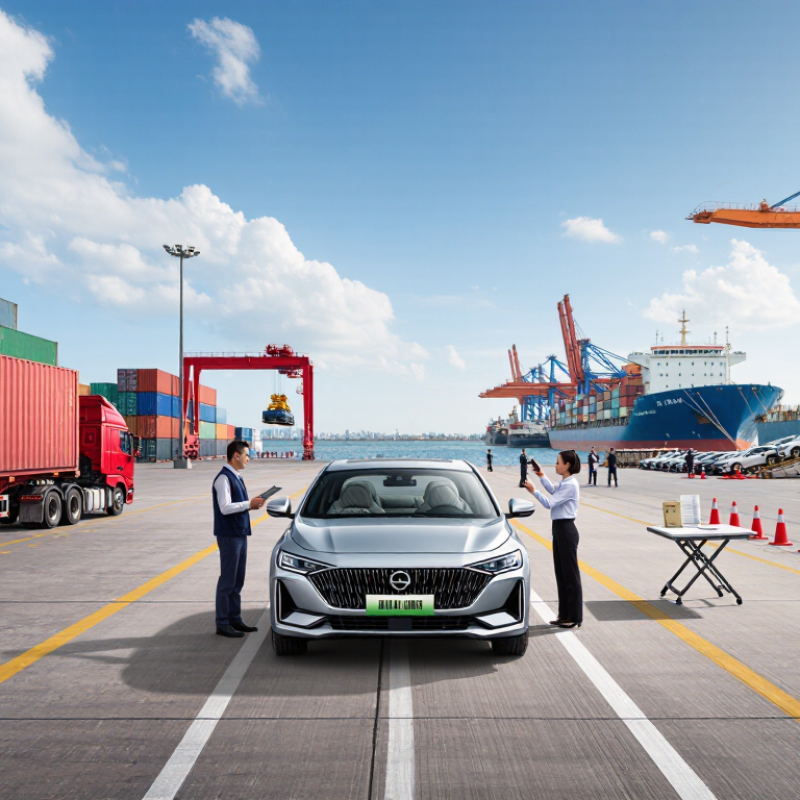
How to Arrange New Car Transport Worldwide?

Assess the Vehicle, Destination, and Delivery Requirements

Assess the Vehicle, Destination, and Delivery Requirements

A reliable transport plan starts with the actual vehicle, not just its model name. Record its length, width, height, weight, running condition, and any roof rack or low ground clearance. Take dated photos of existing scratches and note whether the vehicle can be driven, steered, and braked. OICA’s 2023 production statistics report about 93.5 million vehicles produced worldwide, underscoring the scale of automotive logistics. Yet small details matter. A few extra centimeters can affect carrier fit or loading arrangements.

The destination needs equal attention. Check the receiving port, customs documentation requirements, local handling options, and whether a truck can reach the final address. UNCTAD’s Review of Maritime Transport 2024 discusses how shipping disruptions can lengthen routes and increase transport uncertainty. Build in time for port handling and inland delivery, rather than treating the port as the final stop. One planning gap is easy to miss: the receiving location may lack equipment to unload a non-running vehicle.

Tips: Send the carrier the vehicle’s exact dimensions, condition, pickup access details, and preferred delivery window. Ask who arranges unloading and what happens if arrival is delayed. Keep spare keys and photo records available. Recheck the booking details before collection; small omissions can cause avoidable delays.

Choose a Suitable International Car Shipping Method

Choosing an international car shipping method starts with the vehicle and destination, not just the quoted price. Roll-on/roll-off shipping carries cars on a vessel’s vehicle deck and often suits running vehicles traveling between ports with regular service. Container shipping offers enclosed space and can work well for non-running cars or vehicles needing extra protection. It may cost more, and a container can take longer to arrange. Compare door-to-port and port-to-port options carefully; “door-to-door” may still exclude local delivery charges.

Check the full route before booking. Ask what the quote includes, how the vehicle must be prepared, and whether cargo insurance covers your car’s value and transit risks. Confirm expected sailing dates, port handling fees, and required paperwork with the carrier and destination-country authorities. Requirements vary by location. A transit estimate is not a promise; schedules can shift with weather, congestion, or missed connections. I once underestimated the time needed for document checks. That was avoidable.

Tips: Photograph the car from every side, including existing scratches and the odometer. Remove personal items unless the carrier confirms they are allowed. Keep a copy of the inspection report and shipping documents. Measure the vehicle, too. Small details matter. When two methods seem close in price, compare their total costs and delivery steps, not just the sea freight.

Prepare Export Documents and Verify Import Rules

Before booking new car transport, build a document file for the exact vehicle and destination. You may need the purchase invoice, proof of ownership, export declaration, and shipping instructions. Requirements vary by country, vehicle age, and shipping route. Check the destination customs authority’s current guidance, then confirm details with your carrier or a licensed customs broker. Small errors matter. A mismatched chassis number or missing signature can hold a shipment at the port.

Verify import rules before the car leaves. Ask whether the destination requires pre-arrival permits, safety or emissions testing, specific lighting, or a translated document. Confirm duties, taxes, inspection fees, and payment deadlines in writing. Keep scanned copies, but ask whether originals must travel with the vehicle. A neat folder helps: label each file with the car’s identification number and shipment reference. One detail that is easy to miss is document timing; an approval may expire before arrival. I used to assume paperwork could be fixed after dispatch, but that can mean storage costs and delays. Requirements change, so recheck official guidance close to loading day.

How to Arrange New Car Transport Worldwide? - Prepare Export Documents and Verify Import Rules

Stage Document or Rule Typical Information or Requirement What to Verify Before Shipping
Before booking Import eligibility and vehicle standards Destination rules may cover vehicle age, safety, emissions, lighting, and whether the vehicle can be registered for road use. Confirm the exact model, configuration, and vehicle identification number (VIN) are eligible. Obtain any required approval before dispatch.
Before export Commercial invoice Usually identifies the seller and buyer, vehicle description, VIN, country of origin, sale value, and currency. Check that the invoice details match the purchase agreement, export declaration, and shipping documents.
Before export Proof of ownership or title document Evidence of ownership or entitlement to export; the required document varies by the exporting and importing jurisdictions. Ask the export authority and destination customs agency whether an original document, certified copy, or other proof is required.
Export clearance Export declaration Where required, an export filing records shipment and customs information, such as the goods description, value, and destination. Confirm who submits the declaration, which data is required, and whether clearance must be completed before the vehicle reaches the port.
Origin and tariff review Certificate or declaration of origin May be used to establish a vehicle's country of origin and, where applicable, support a preferential tariff claim under a trade agreement. Do not assume the vehicle's shipping country is its country of origin. Check the destination's evidence and eligibility rules.
Ocean or air transport Bill of lading or air waybill Transport document showing shipment details, routing, and the parties involved; the bill of lading is commonly used for sea freight. Verify the VIN, consignee, destination port, and release instructions before the carrier issues the final document.
Import planning Customs valuation and taxes Import duty, value-added tax, goods and services tax, or other charges may depend on customs value, origin, vehicle classification, and local law. Request a destination-specific estimate and confirm the accepted valuation method, tariff classification, payment process, and deadlines.
Destination approval Market-specific requirements Examples include U.S. Environmental Protection Agency and Department of Transportation import requirements, Australian vehicle import approval, and Canadian requirements that may apply through the Registrar of Imported Vehicles program. Check the applicable authority for the specific vehicle and importer. These examples are not exhaustive, and requirements can change.
Arrival and delivery Customs release, inspection, and registration Customs clearance may be followed by safety or emissions checks, modifications, and registration steps before the vehicle can be used on public roads. Arrange customs representation if needed, allow for port storage and inspection time, and confirm the documents required for final registration.

Important: Import and export rules depend on the vehicle, country of origin, destination, and importer status. Confirm current requirements with the relevant customs, transport, and vehicle-approval authorities before booking transport.

Book Transport and Arrange Vehicle Collection

Arranging new car transport worldwide starts with a clear booking request. Share the vehicle’s make, model, dimensions, running condition, pickup address, and destination. These details help the transport coordinator choose a suitable service and estimate costs accurately. Ask what the quote includes, such as collection, handling, and delivery. Confirm the estimated transit time, payment schedule, and cancellation terms in writing. Small details matter.

Before confirming, check that the collection address allows safe access for the vehicle carrier. A narrow street, low entrance, or restricted parking area can complicate loading. If needed, agree on a nearby meeting point with enough space for the carrier to stop. Ask who will contact you before arrival and how much notice they usually provide. Keep your phone available, and make sure the person handing over the car can show identification and complete the collection paperwork. It is easy to assume someone else has confirmed the time; that assumption can cause delays. Pickup windows can shift, so leave room in your schedule.

Tips: Photograph the car from every side before collection, including existing marks and the dashboard. Remove personal items, check the fuel instructions with the carrier, and keep a copy of the booking confirmation. Verify document requirements with the transport coordinator before pickup, rather than guessing.

Track the Shipment and Complete Destination Handover

International car transport becomes easier to manage when tracking follows clear milestones: vehicle collection, port arrival, vessel departure, transshipment, customs release, and final delivery. UNCTAD’s Review of Maritime Transport 2024 reports that seaborne trade grew 2.4% in 2023, with 2.7% growth forecast for 2024. That scale makes delays and schedule changes realistic, not exceptional. Ask the carrier or logistics provider for dated status updates, the vessel name, and the estimated arrival window. A tracking page may not update during a port transfer. Small gaps matter. Keep the booking reference and shipment documents together, and compare updates against the latest schedule rather than an old estimate.

At destination, arrange a named contact, a delivery slot, and a safe place for inspection before the vehicle leaves the port. The World Bank’s 2023 Logistics Performance Index assessed 139 economies across six areas, including tracking and tracing and timeliness. These measures reinforce why visibility and prompt handover records matter. Check the vehicle in good light; photograph each side, the roof, wheels, and odometer before signing. Note any new damage or missing items on the delivery record, and request a copy. Record the time and condition. If the vehicle arrives late or the paperwork is incomplete, pause and clarify the discrepancy with the responsible logistics contact. I have seen small documentation gaps create avoidable follow-up work.