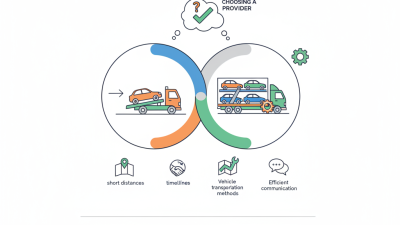
How to Choose the Best Moving Car Transport Service?
Choosing the best moving car transport service requires more than comparing the lowest quote. Your vehicle may travel hundreds or thousands of miles, exposed to weather, traffic, loading risks, and scheduling changes. A reliable provider should explain each stage clearly, from pickup inspection to final delivery. Details matter.
Begin by checking the company’s experience with vehicles similar to yours. A classic car, electric vehicle, SUV, or lowered sports car may require different equipment and handling procedures. Ask how the vehicle will be secured, whether enclosed transport is available, and who will document existing scratches or dents. Clear answers show practical knowledge, not just polished advertising.
Transparent pricing is equally important. Request a written estimate that identifies transport distance, vehicle size, delivery expectations, insurance information, and possible additional charges. Avoid providers that pressure you to pay immediately or refuse to explain their terms. Communication matters when plans change. Weather, mechanical delays, or access restrictions can affect delivery times.
A trustworthy moving car transport company should provide verifiable business information, professional customer support, and consistent reviews from multiple sources. Do not rely on one glowing testimonial. Compare patterns instead.
No checklist is flawless. Even careful planning can miss a detail, especially during busy seasons. Take photographs before pickup, remove personal belongings, and keep copies of all documents. These simple steps create a useful record if questions arise later.
The best choice is not always the fastest or cheapest option. It is the service that combines careful handling, honest communication, suitable equipment, and realistic expectations. Your car deserves that level of attention.
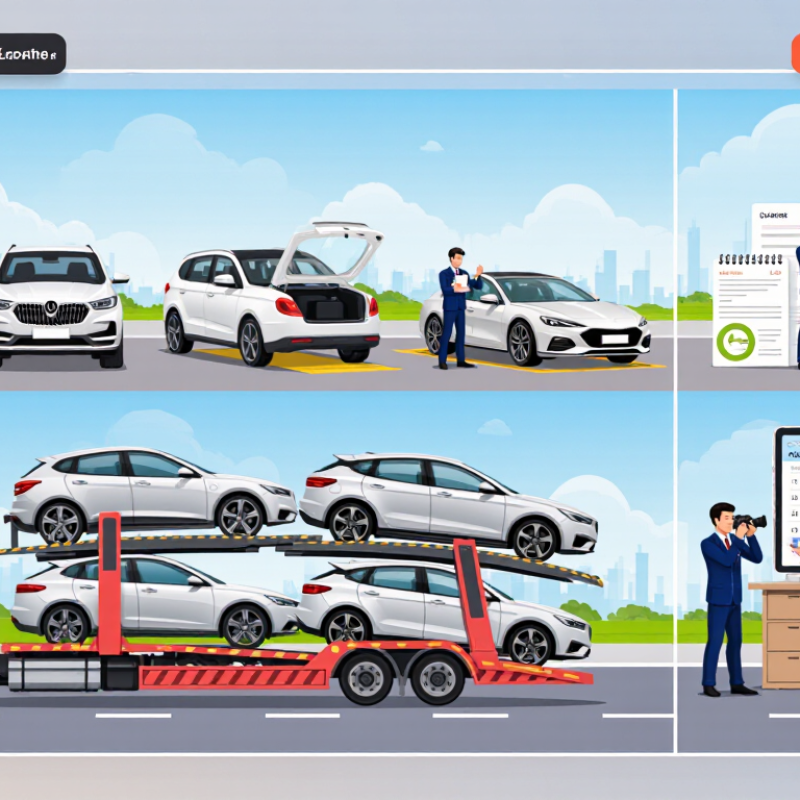
Define Vehicle, Route, Timing, and Budget with EIA Fuel-Price Data
How to Choose the Best Moving Car Transport Service?
Define the vehicle, route, timing, and budget before requesting transport quotes. Vehicle size changes loading space, equipment needs, and fuel use. A compact sedan rarely costs like a heavy pickup. Measure its height, length, and ground clearance carefully. I once underestimated roof height, and the final quote changed after inspection.
Route distance matters, but fuel prices also shape carrier costs. The U.S. Energy Information Administration reported average 2023 prices of about $3.52 per gallon for regular gasoline and $4.21 for diesel. Use current EIA weekly retail data before comparing offers. A long route with diesel-powered equipment can shift quickly when fuel prices rise. Ask whether the estimate includes fuel surcharges, tolls, terminal handling, and insurance.
Timing creates another trade-off. Flexible pickup dates may reduce repositioning costs, while urgent delivery usually requires more planning. Industry safety guidance recommends checking carrier authority, insurance records, inspection history, and written delivery terms. Request a condition report with photographs before loading. Keep mileage and existing scratches visible. Cheap is not always efficient. My early comparison focused too heavily on price, and that was a mistake. A realistic budget should include a small reserve for weather delays, access problems, or revised fuel adjustments. Check the EIA data again before signing.
Screen Carriers Through FMCSA SAFER: USDOT, Authority, Crashes, and Inspections
Before booking a moving car transport service, check the carrier’s USDOT number in FMCSA SAFER. Match the legal name, phone number, and equipment details. A mismatch is a serious warning sign. Confirm that operating authority is active, not merely pending or revoked. Also review the carrier’s insurance filing through the official licensing records.
SAFER shows reported crashes and inspection history, but the numbers need context. FMCSA’s 2022 Large Truck and Bus Crash Facts recorded 5,837 large trucks and buses involved in fatal crashes. That figure covers a broad vehicle group, not only auto transporters. Compare crash counts with fleet size and recent mileage when available. I also review inspection patterns, especially repeated violations involving brakes, tires, lighting, or securement.
Look for current inspection results rather than one old record. During the 2023 International Roadcheck, inspectors placed 20.6% of inspected commercial vehicles out of service, according to the Commercial Vehicle Safety Alliance. This does not prove a carrier is unsafe. It shows why details matter. A clean snapshot is reassuring, not proof. I would ask for the pickup driver’s name, loading photos, and written damage documentation. My own mistake was trusting a polished quote before checking the authority status. Cheap can become expensive quickly. Keep screenshots of every record and recheck them shortly before pickup.
Verify Liability Coverage Through FMCSA Insurance Filings and Claim Terms
When choosing a moving car transport service, verify insurance before comparing prices. A polished quote means little without documented liability coverage. Search the carrier’s USDOT and MC numbers in the FMCSA Licensing and Insurance database. Confirm active public liability filings, such as Form BMC-91 or BMC-91X, when applicable. For cargo protection, check the relevant BMC-34 filing. These records show regulatory status, not every promise in a shipping contract.
NHTSA’s 2022 Traffic Safety Facts report recorded 5,837 deaths in large-truck crashes. That figure does not predict your shipment’s outcome. It does show why liability verification deserves attention. Ask for the insurance certificate and policy wording. Check whether payment uses repair cost, actual cash value, or declared value. Review deductibles, exclusions, claim deadlines, and per-vehicle limits. Read the exclusions carefully. A $1,000 deductible can change the real protection substantially.
Before releasing the vehicle, photograph every panel, wheel, window, and existing chip. Record mileage and loose accessories. Ask who submits the claim and which documents are required. Confirm whether damage must appear on the delivery inspection report. Terms may exclude personal items, modified parts, or weather-related damage. “Fully insured” is not enough. Even careful customers can miss one clause. I would recheck the filing shortly before pickup, because insurance status and operating records can change.
How to Choose the Best Moving Car Transport Service?
Verify the carrier’s liability coverage through FMCSA insurance filings and compare the declared coverage with the federal minimums that apply to the carrier’s operation.
The chart shows federal minimum public-liability coverage levels for selected interstate for-hire motor-carrier operations under 49 CFR §387.9. A vehicle transporter generally falls under the non-hazardous property-carrier category, which has a $750,000 minimum. Before booking, confirm that the carrier’s FMCSA insurance filing is active, the policy matches the operating authority, and the claim terms clearly identify exclusions, deductibles, valuation limits, and the claims procedure. These are legal minimums, not a recommendation for adequate protection.
Source: FMCSA, “Financial and Operating Authority,” and 49 CFR §387.9:
eCFR §387.9
Compare Written Quotes Using Distance, Fuel, Season, and Vehicle-Size Data
How to Choose the Best Moving Car Transport Service?
Compare Written Quotes Using Distance, Fuel, Season, and Vehicle-Size Data
A reliable car transport decision starts with written quotes, not cheerful phone promises. Ask each provider to list the pickup location, delivery distance, estimated transit time, and included services. The same route can produce different prices when mileage, toll roads, or remote addresses change. Details matter. In my experience, vague estimates create stress when the invoice arrives.
Check the fuel assumptions behind each quote. Longer routes usually require more fuel, but the calculation should remain clear. Ask whether fuel surcharges are fixed or adjustable. Season also affects demand. Summer moves and holiday periods often cost more because schedules fill quickly. Winter weather may reduce availability and extend delivery times. A low quote may hide a flexible pickup window.
Vehicle size and condition deserve careful attention. A large SUV, modified vehicle, or inoperable car may need extra space or special equipment. Tell the provider about roof racks, lowered suspension, or unusual dimensions. Accurate details protect both sides. I once underestimated how much a roof carrier changed loading requirements. That mistake taught me to measure everything before requesting prices. Compare the final written figures line by line, including deposits, cancellation terms, inspection procedures, and cargo coverage. Ask questions. Reliable service should explain limits plainly, even when the answer is inconvenient.
Choose the Contract After Reviewing Broker Status and Complaint Records
How to Choose the Best Moving Car Transport Service?
Before signing a contract, check the broker’s status in the FMCSA Licensing and Insurance database. Confirm active broker authority, legal business details, and financial security. Federal rules require property brokers to maintain at least $75,000 in financial protection. That amount matters, but it is not a quality guarantee.
Review complaint records from several sources, not only testimonials on the broker’s website. The FTC’s 2023 Consumer Sentinel Network Data Book recorded more than 2.6 million fraud reports and over $10 billion in reported losses across consumer markets. Auto transport is only one part of that data, yet the warning is practical: written promises deserve verification. Look for repeated complaints about deposit refunds, delivery delays, surprise charges, or poor communication. Check whether the broker responded clearly and resolved the issue. Patterns matter more than one angry review.
Read the contract slowly. It should identify the broker’s role, cancellation terms, payment schedule, estimated dates, and dispute process. Ask who will transport the vehicle and whether that carrier can be verified separately. A common mistake is trusting a professional-looking quote too quickly. I have seen screening decisions improve after comparing complaint dates and response quality. Still, records can be incomplete. Ask direct questions, save every message, and avoid signing when key details remain vague.


 Track Your Shipment
 Online Enquiry
 Sign In
 English