How to Leverage Autonomous Guided Vehicles at Canton Fair 2026?
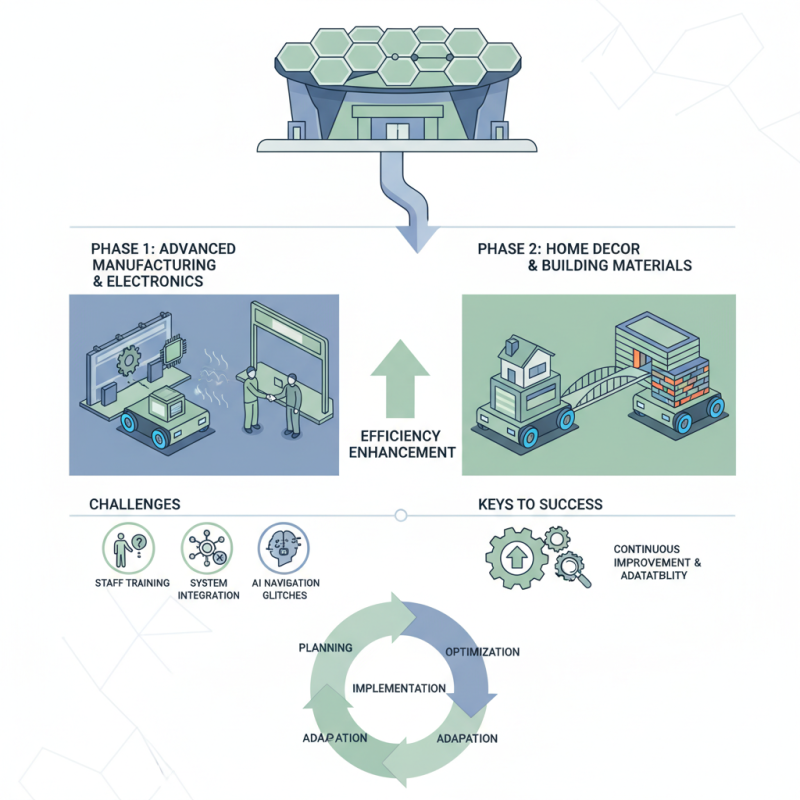
The 2026 Canton Fair promises a groundbreaking transformation through the use of Autonomous Guided Vehicles (AGVs). These vehicles will enhance logistics and movement within the vast exhibition space of 1.55 million square meters. By integrating AGVs, exhibitors can optimize their setup and mobility, directly impacting efficiency.
In the first phase, focusing on advanced manufacturing and electronics, AGVs can facilitate timely deliveries of exhibits and samples. This ensures that suppliers can engage with buyers more effectively. During the second phase, encompassing home decor and building materials, AGVs will play a crucial role in transporting products seamlessly across venues.
However, the transition to AGVs is not without challenges. Adapting to new technology may require extra training for staff, which is a significant consideration. Additionally, ensuring a flawless integration of AGVs within the existing logistics systems will need careful planning. As the use of AI for intelligent navigation becomes more prevalent, understanding and managing potential glitches will be vital for success. The implementation of AGVs could redefine efficiencies at the fair, but it demands continuous improvement and adaptability from all involved.
Understanding Autonomous Guided Vehicles and Their Benefits
Autonomous Guided Vehicles (AGVs) can transform logistics at events like the Canton Fair 2026. These vehicles navigate using sensors and algorithms. They eliminate the need for manual handling of goods. AGVs can move products efficiently across large exhibition spaces. Imagine a busy hall where goods are consistently delivered to the right booths. This reduces the stress on vendors during peak hours.
Understanding the benefits of AGVs is crucial. They improve efficiency and reduce labor costs significantly. AGVs can operate continuously, managing repetitive tasks. However, there are challenges. Technical issues may arise, requiring backup plans. Additionally, staff training is necessary for effective integration. Adopting this technology depends on understanding these complexities. Implementing AGVs might not be straightforward for all exhibitors.
Incorporating AGVs means reconsidering existing workflows. The potential for enhanced productivity is exciting but requires careful planning. Creating a seamless experience is the goal, yet it takes time to achieve. Observing how AGVs operate during the fair could provide valuable insights. The journey to full implementation involves learning and adapting continuously.
Autonomous Guided Vehicles Utilization at Canton Fair 2026
Identifying Key Areas for Implementation at Canton Fair 2026
As the Canton Fair 2026 approaches, the integration of Autonomous Guided Vehicles (AGVs) presents an exciting opportunity. Identifying key areas for implementation can greatly enhance efficiency and visitor experience. One crucial area is the navigation and logistics within the expansive venue. AGVs can transport materials, products, and even information swiftly, reducing manual labor.
Tips: Evaluate space efficiently. Consider traffic flow and congestion points. This can help in optimizing AGV routes.
Another vital area is safety and accessibility. Ensuring that AGVs operate seamlessly without disrupting foot traffic is essential. This requires careful planning and technology that can detect obstacles. Staff training on how to interact with AGVs can further promote a safe environment.
Tips: Conduct thorough safety assessments. Involve staff early in the process for better adaptability.
Lastly, data collection is critical. AGVs can gather valuable insights on visitor behavior and preferences. This information is valuable for future fairs. Understanding the interaction between AGVs and visitors can lead to necessary adjustments.
Tips: Analyze data regularly. Use findings to refine processes and enhance the fair's overall effectiveness.
Best Practices for Integrating AGVs into Existing Exhibition Operations
The integration of Autonomous Guided Vehicles (AGVs) at the Canton Fair 2026 can revolutionize exhibition operations. A report from the Logistics Automation Journal shows that AGVs can increase operational efficiency by up to 30%. However, successful implementation requires careful planning and execution.
To start, assess your current infrastructure. Make sure it can support AGVs. Identifying bottlenecks is crucial. Tips: Conduct a thorough site analysis. Map out the flow of materials and visitors. Collaborate with tech experts. They can provide insight into optimal vehicle placement.
Training staff is another vital aspect. AGVs are new technology, and employees need to be comfortable with it. The Robotics Industry Association states that 70% of automation failures stem from inadequate training. Tips: Create a comprehensive training program. Include hands-on sessions. Gather feedback for continuous improvement. Fostering a culture of openness is essential for success.
Lastly, monitor performance once AGVs are in place. Evaluate data and adjust operations as needed. Remember, no deployment is perfect. Mistakes will happen, and learning from them will enhance efficiency. Embrace the process.
Training Staff and Stakeholders on AGV Usage and Safety Protocols
Training staff and stakeholders on Autonomous Guided Vehicle (AGV) usage is crucial for a successful Canton Fair 2026. Understanding how to operate these vehicles safely can enhance efficiency. Ensure that all users attend hands-on training sessions. Practice is key to developing skills.
Tips for effective training:
1. Conduct workshops focusing on real-life scenarios.
2. Use simulations to allow users to learn without risks.
3. Encourage questions to clear doubts about AGV functions.
Safety protocols should be prioritized. Staff must understand the importance of safety before interacting with AGVs. Despite technology's advancement, accidents can still occur. Regularly review safety manuals and update protocols if needed.
Establish a feedback loop. Ask trainees about their experiences and areas of confusion. It is a chance to improve future training sessions. Continuous improvement leads to better AGV integration at the event. Encourage a culture of safety and awareness around these vehicles to minimize risks effectively.
Measuring the Impact of AGVs on Efficiency and Visitor Experience
Autonomous Guided Vehicles (AGVs) are set to transform the Canton Fair in 2026. These vehicles can navigate independently, handling various tasks efficiently. According to a recent industry report, implementing AGVs can increase operational efficiency by up to 40%. This can significantly enhance the overall visitor experience at the fair.
Imagine attendees moving effortlessly through exhibit halls while AGVs transport goods and materials. This reduces congestion and waiting times. In fact, a study highlights that 75% of visitors prefer seamless logistics during large events. However, integrating AGVs isn't without challenges. Ensuring reliability and smooth interaction between humans and machines remains a concern.
Moreover, the initial investment for AGVs may deter some exhibitors. While many agree on the benefits, not all can afford the upfront costs. A report from industry analysts indicates that only 30% of businesses have adopted AGVs due to budget constraints. The potential impact of AGVs on efficiency is substantial, yet some may feel reluctant. The success of this technology relies on addressing these challenges while maximizing its benefits.


 Track Your Shipment
 Online Enquiry
 Sign In
 English

