What is Moving Car Transport and How Does It Work?
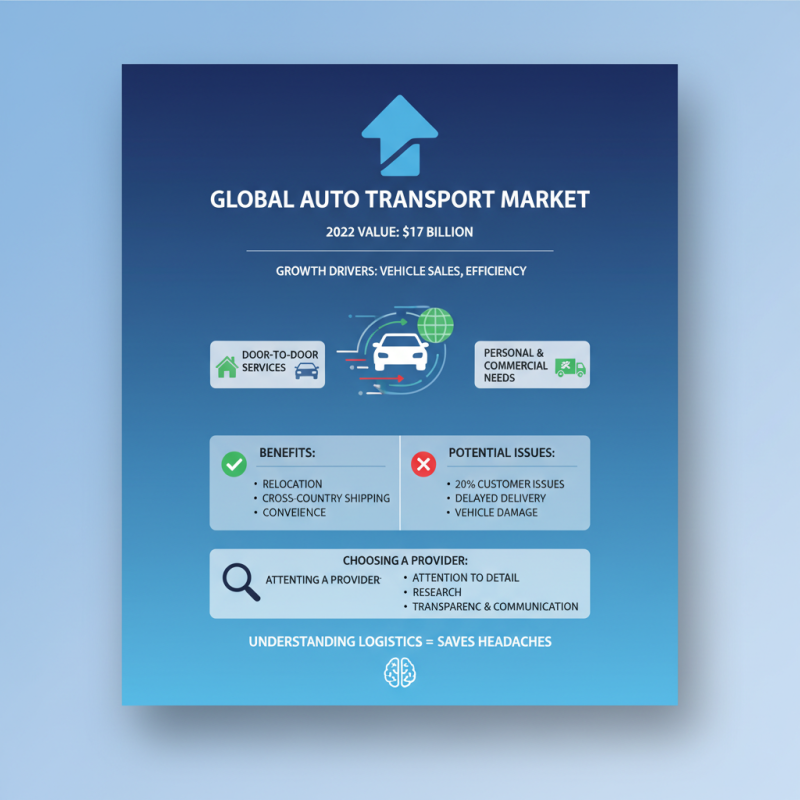
Moving car transport is an essential service in the automotive industry. In 2022, the global auto transport market reached a value of $17 billion. This industry is growing, driven by increased vehicle sales and the need for efficient transportation solutions. Companies now offer door-to-door services for both personal and commercial needs.
Many individuals and businesses benefit from moving car transport options. Relocating for a new job or sending vehicles cross-country is common. Consumers often prefer these services due to their convenience. However, not all transport companies are reliable or provide the same quality of service. Reports show that around 20% of customers faced issues such as delayed delivery or vehicle damage.
Attention to detail and research are crucial when choosing a moving car transport provider. Avoiding the pitfalls of this industry requires diligence. Transparency and communication are vital for a seamless experience. Understanding the complexities of vehicle logistics can save customers from potential headaches.
Definition of Moving Car Transport
Moving car transport refers to the service of transporting vehicles from one location to another. This service is often utilized when relocating, buying, or selling a car. It involves specialized equipment and trained personnel to ensure safe transport. Many people rely on this service due to its convenience and efficiency.
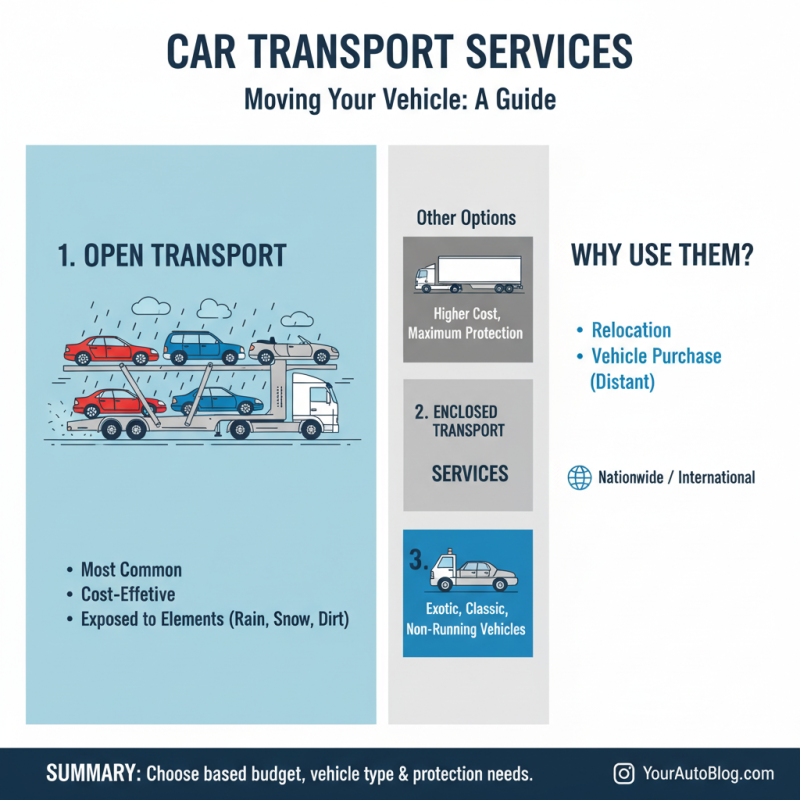
Cars can be transported using various methods. Open transport is common and cost-effective, but it exposes vehicles to potential weather damage. Enclosed transport provides more protection but comes at a higher price. Customers need to weigh the pros and cons carefully. The choice may depend on the vehicle's value or the distance of the move.
Communication with the transport provider is crucial. Customers should clarify expectations and understand the process. There may be hidden fees and potential delays. Some aspects might not be clearly discussed until a problem arises. Being informed can help avoid disappointment. Each transport experience can vary widely based on the chosen method and provider.
Car Transport Method Comparison
Types of Moving Car Transport Services
Moving car transport services are essential for those relocating or buying a vehicle from a distant location. There are various types of services available to meet different customer needs. Open transport is one of the most common methods. It involves loading vehicles onto an open trailer. This method is cost-effective but leaves cars exposed to the elements. Rain, snow, and dirt can affect the car's condition during transport.
Another option is enclosed transport. This service offers additional protection by placing vehicles inside a covered trailer. While it costs more, it shields cars from harsh weather and road debris. Ideal for luxury or classic cars, this method ensures they arrive in pristine condition. However, customers should expect longer wait times due to fewer available trailers.
Finally, door-to-door service is a convenient choice for many. It picks up and delivers vehicles directly to specified locations. This saves time and effort, but it may be pricier than terminal-to-terminal options. Choosing the right type depends on budget and specific needs. While all services have their pros and cons, balancing cost and vehicle safety is crucial for a successful transport experience.
The Process of Moving Car Transport
When it comes to moving car transport, understanding the process is essential. The journey typically starts with booking a service. Customers provide details like the car’s make, model, and pickup location. This is crucial. Once this information is gathered, the carrier assigns a truck. Some carriers use open transport, while others prefer enclosed options. Each method has its pros and cons, impacting cost and protection.
After the truck is assigned, an inspection takes place. This is often a missed step, but it’s vital. During this inspection, the car is evaluated for pre-existing damages. Photographs are usually taken as proof. If damage is overlooked, disputes can arise later. Once loaded, the car begins its journey. It may have to wait a few days before delivery. The timing can be unpredictable. This is a part of the moving car transport process that people find frustrating.
Upon arrival, another inspection occurs. Customers should compare the car’s condition with the initial photos. Sometimes, there may be small scratches or marks. If claims are necessary, timely reporting is crucial. Communication with the carrier can be challenging. Some people find this part confusing, leading to dissatisfaction. Overall, while moving car transport is a straightforward service, small oversights can complicate things considerably.
Factors Influencing Car Transport Costs
When it comes to car transport, several factors can influence costs. Distance is a primary consideration. Transporting a car across the country often costs more than a local move. The type of transport service matters too. Open transport is generally cheaper than enclosed transport. Enclosed transport provides more protection, but you’ll pay extra for that security.
Seasonality plays a role. Demand peaks during summer months. Prices increase when many people move or travel. Delivery times can also affect your costs. Urgent deliveries will always come with a premium. Additionally, vehicle type impacts pricing. Luxury or specialist cars may require additional care. This might lead to an increase in transport fees.
Lastly, the condition of the vehicle is significant. Non-running cars need special handling. This often results in higher costs. The availability of transport options in your area can create variability in pricing as well. It’s essential to research and compare. Sometimes, the cheapest option may not offer the best service. Always weigh the pros and cons before making a decision.
What is Moving Car Transport and How Does It Work? - Factors Influencing Car Transport Costs
| Factor |
Description |
Cost Impact (%) |
| Distance |
The distance between the pick-up and drop-off locations greatly affects transport costs. |
40-60% |
| Vehicle Size |
Larger vehicles may incur higher transport costs due to size and weight considerations. |
15-25% |
| Transport Mode |
Open transport is generally cheaper than enclosed transport options. |
10-20% |
| Seasonal Demand |
Costs can increase during peak moving seasons, typically summer months. |
5-15% |
| Delivery Timeframe |
Expedited services will have a higher cost compared to standard delivery timelines. |
10-30% |
| Insurance Coverage |
Additional insurance can increase costs but provides extra protection for your vehicle. |
5-10% |
Safety Measures in Moving Car Transport
When it comes to moving car transport, safety is a top priority. Various measures are in place to protect vehicles during transit.
For instance, using specialized transport trucks designed for secure car placement is common. These trucks often have multiple levels and safe tie-downs to keep vehicles in place.
Drivers receive training in safe loading and unloading techniques. This training helps minimize the chances of damage.
Additionally, many services offer tracking options. Customers can monitor their car's journey in real-time, providing peace of mind.
Despite these precautions, issues can still arise. Sometimes, weather conditions can delay transport.
Or, the loading process might not go as smoothly as planned. These hiccups require constant reflection and improvement in safety protocols.
Ultimately, transporting cars safely is a blend of careful planning and ongoing adaptation.


 Track Your Shipment
 Online Enquiry
 Sign In
 English