How to Ship Your Car Safely and Affordably Across the Country?
Shipping your car across the country can feel overwhelming. Many people worry about safety and cost. Car shipping is essential for those moving or buying a car from afar. It allows mobility without driving long distances.
There are various methods to ship your car, each with different impacts on your budget. Open transport is cheaper but less protective. Enclosed transport is safer but more expensive. You need to examine your needs. Balancing cost with safety is crucial.
Researching companies is also vital. Reading reviews and asking for recommendations can help. Look for licensed and insured carriers. Be wary of quotes that seem too low; they might indicate hidden issues. Shipping your car requires careful planning. Make sure you have the necessary documents ready. Only then will your vehicle arrive safely at its new destination.
Understanding Your Options for Car Shipping Across the Country
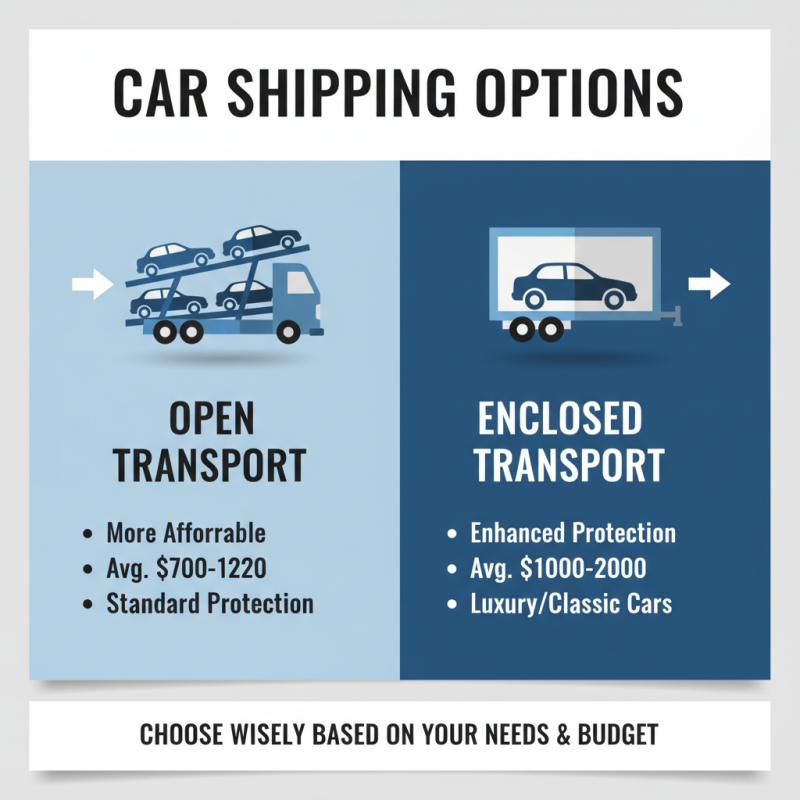
When considering car shipping, it's important to explore various options. The two main methods are open transport and enclosed transport. Open transport is generally more affordable, with costs averaging around $700 to $1,200, depending on distance and vehicle type. Meanwhile, enclosed transport provides more protection for your car, typically costing between $1,000 and $2,000.
Data shows that around 70% of car owners prefer open transport due to its cost-effectiveness. However, this choice exposes vehicles to elements. Rain, dust, and road debris can potentially harm a car's exterior. On the other hand, enclosed transport keeps your car sheltered but is pricier and may require advance bookings.
It's also crucial to assess insurance coverage before shipping. Many transport companies include basic coverage, but it often doesn’t cover full damages. Research indicates that an alarming 30% of car owners feel underinsured during transit. Taking time to read reviews and compare rates can lead to a better decision. Ultimately, reflecting on these aspects can help you choose the most suitable option for your needs.
Preparing Your Vehicle for Safe Transportation
Preparing your vehicle for safe transportation is essential. Start by cleaning your car inside and out. This helps you spot any existing damage. Document any dents, scratches, and other issues. Take photos for your records. Removing personal items is also crucial. You don’t want anything valuable left behind.
Check all fluids before shipping. Low oil or coolant levels can lead to problems. Make sure your gas tank is only a quarter full. This reduces weight but ensures you have enough fuel for loading. Disable the alarm system to avoid issues during transport. Ensure your tires are properly inflated. Under-inflated tires can cause issues during the trip.
Consider leaving a note for the driver. Include your contact information and any important details about your car. You might think everything is ready, but small oversights can happen. Double-check everything a day before pickup. This extra step can prevent last-minute headaches.
Researching and Comparing Auto Transport Companies
When shipping your car across the country, research is crucial. Start by identifying several auto transport companies. Look at their customer reviews and ratings. Trustpilot and Google Reviews can provide valuable insights. You may notice disparities in experiences among customers. This can lead to confusion about which company to choose.
Next, compare quotes from different services. Some companies may offer lower rates, but consider their reputation too. A cheap service may cut corners. Look for hidden fees and ask for clarity. Also, check for insurance coverage. This is key for securing your vehicle during transit. Inadequate protection can lead to costly repairs later.
Be aware of your own budget and parameters. Adjustments may be needed as you navigate the options. Your preferred transport method might be more expensive than expected. This realization can be disheartening but necessary. A thorough comparison helps you make informed decisions, yet it can be overwhelming. Take your time. Choose wisely.
Calculating the Cost of Car Shipping: Budgeting Tips
Calculating the cost of shipping a car across the country can be challenging. On average, the price ranges from $600 to $1,200. Factors affecting this cost include distance, vehicle size, and transport type. For instance, open transport is cheaper but may expose your car to weather. Enclosed transport offers protection but comes with a higher price tag.
Budgeting is crucial. Research multiple shipping quotes. The cost can vary significantly. According to industry reports, 50% of customers underestimate shipping fees. Hidden costs can appear, such as fuel surcharges and insurance. Consider choosing seasonal shipping. Off-peak times can reduce expenses.
To manage your budget, think about your vehicle’s condition as well. Running and driveable cars may cost less. Non-operational vehicles will likely incur extra fees. Many individuals overlook this when budgeting. Always read contract details. Not doing so can lead to unexpected charges. Awareness is vital for a smooth shipping experience.
Cost Factors for Shipping a Car Across the Country


 Track Your Shipment
 Online Enquiry
 Sign In
 English