Top Tips for Hassle Free International Vehicle Transport Services
In the dynamic world of global transportation, the nuances of international vehicle transport have never been more critical. As the industry continues to grow and evolve, understanding the intricacies involved can significantly reduce the stress often associated with relocating vehicles across borders. According to Dr. John Parker, a leading expert in international logistics, “Navigating the complexities of international vehicle transport requires careful planning and informed decision-making to ensure a smooth transition.” His insights underline the importance of being well-prepared for the challenges that may arise in the international vehicle transport process.
From selecting a reputable transport service to understanding customs regulations, a holistic approach is essential for a hassle-free experience. Knowledge of the documentation requirements and the logistics involved in different countries can save time and prevent frustration. With the right strategies in place, anyone can ensure that their vehicle arrives safely and efficiently at its new destination, free from common pitfalls that could cause delays or additional costs. As we delve into the top tips for achieving a seamless international vehicle transport experience, these expert insights will guide us toward a more organized and reliable approach.

Understanding International Vehicle Transport Services
Understanding International Vehicle Transport Services involves recognizing the complexities and variables that come into play when moving vehicles across borders. According to a report by the International Transport Forum, the global vehicle transport market is projected to grow significantly, with increasing demand driven by international relocations and the expansion of e-commerce. This growth highlights the necessity for consumers to understand how to navigate the various transport services available.
When considering international vehicle transport, it’s crucial to choose a service that offers comprehensive insurance coverage and transparent pricing. Many industry experts recommend comparing quotes from multiple providers to ensure you find the most cost-effective solution. Establishing a clear timeline for transport can also minimize stress during the shipping process. It's essential to prepare your vehicle for transport by ensuring it is clean and free of personal belongings, as most carriers will require such precautions.
Additionally, understanding customs regulations is vital in the international transport process. Each country has specific rules regarding vehicle importation, which can affect delivery times and costs. Garnering knowledge about these regulations ahead of shipping can prevent unexpected delays and additional charges. Be sure to consult with your transport provider about the necessary documentation required for a smooth transition to your destination.
Top Tips for Hassle Free International Vehicle Transport Services
This chart illustrates the key factors influencing the cost of international vehicle transport services. Understanding these factors can help you make informed decisions when planning your vehicle transport.
Choosing the Right Shipping Method for Your Vehicle
When it comes to international vehicle transport, choosing the right shipping method is crucial for a hassle-free experience. The most common options include container shipping and roll-on/roll-off (RoRo) services. Container shipping provides more protection for your vehicle, as it is secured within a container, safeguarding it from potential damage and weather conditions during transit. This method is particularly advantageous for high-value or classic cars, ensuring they arrive in pristine condition.
On the other hand, RoRo shipping is often more economical and faster, as it involves driving the vehicle directly onto the ship and securing it for the journey. While this method is suitable for standard vehicles, it offers less protection compared to container shipping. Therefore, if speed and cost-efficiency are priorities, RoRo might be the ideal choice, but for those seeking peace of mind and protection, container shipping should be considered. Ultimately, evaluating your vehicle's value, your budget, and your timeframe will guide you in making the best decision for your international transport needs.
Preparing Your Vehicle for Safe Transport
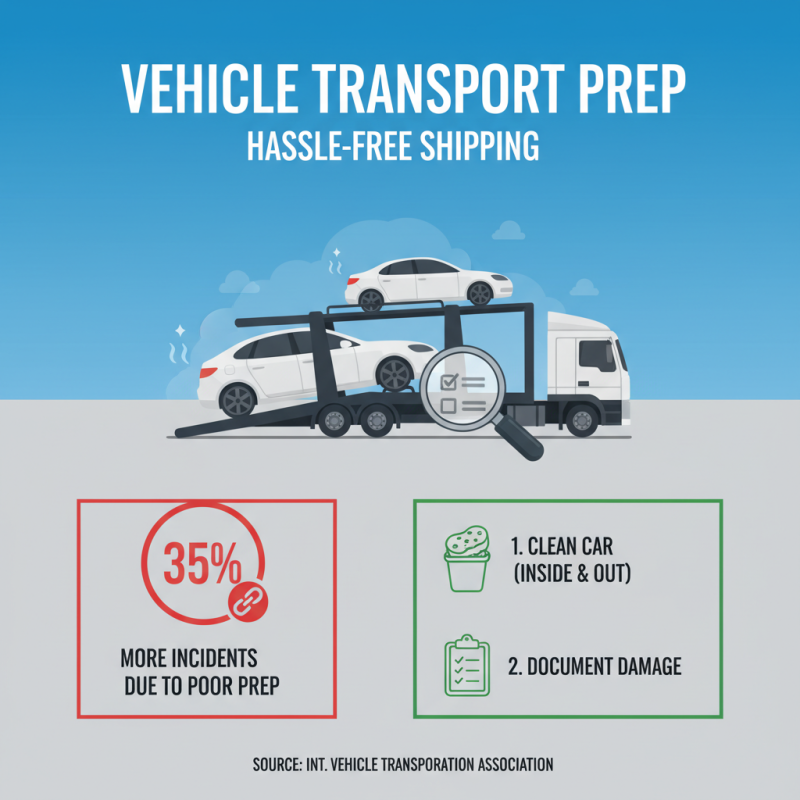
When preparing your vehicle for transport, the key to ensuring a hassle-free experience lies in thorough preparation. Statistics from the International Vehicle Transportation Association indicate that improperly prepared vehicles can lead to 35% more incidents during transit. To mitigate these risks, start by cleaning your car inside and out. A clean vehicle allows for a comprehensive inspection, helping to identify any pre-existing damages that should be documented before the shipping process.
Next, it's crucial to secure all loose parts and personal belongings. According to the National Logistics Report, items left inside the vehicle can shift during transit, potentially causing damage or even leading to accidents. Remove any aftermarket accessories and secure flaps and extensions to minimize the risk of loss or damage. Additionally, ensure your vehicle's battery is charged, and fluids are topped off, as many transport services require these conditions to ensure smooth loading and unloading.
Finally, check for any leaks and mechanical issues that could affect transport safety. The Automotive Repair Industry reports that 20% of vehicles transported globally have some mechanical issue, which can significantly impact transit times and costs. By addressing these areas, you not only protect your investment but also contribute to a more efficient and secure transport process, allowing you to enjoy peace of mind as your vehicle travels to its new destination.
Essential Documentation for Hassle-Free Shipping
When it comes to international vehicle transport, having the right documentation is essential for a hassle-free shipping experience.
Fundamental documents include the bill of lading, vehicle title, and customs forms,
which serve as proof of ownership and are vital for customs clearance.
According to a report by the International Chamber of Commerce, logistics delays can often be attributed to missing or incorrect documentation,
leading to increased shipping times by up to 30%.
Thus, ensuring all paperwork is complete and accurate can significantly streamline the process.
Moreover, it is crucial to consider additional documentation based on the destination country.
Some regions may require specific inspections or certifications, such as emission compliance or quarantine certificates for certain vehicles.
Failure to prepare these documents can result in costly delays or return shipments.
The International Federation of Freight Forwarders Associations highlights that up to 15% of shipments face clearance issues due to improper documentation.
Therefore, comprehensive preparation and understanding of required documents for your specific transport destination are key elements to a smooth international vehicle transport process.
Tracking Your Vehicle During the Transport Process
Tracking your vehicle during the transport process is essential for ensuring peace of mind and an efficient transfer. With the advancements in technology, modern transport services now offer real-time tracking options that allow you to monitor your vehicle's journey from pick-up to delivery. This transparency not only helps you stay informed about the estimated time of arrival but also provides reassurance that your vehicle is being handled with care throughout its transit.
Moreover, utilizing tracking systems enables communication with transport service providers regarding your vehicle's status. In the event of any delays or unexpected incidents, having access to real-time information allows you to address concerns proactively. Some services even provide notifications or updates via mobile apps or email, so you can receive information on-the-go. By taking advantage of these tracking features, you can ensure a more seamless transport experience, reducing any potential anxiety associated with the international transport of your vehicle.


 Track Your Shipment
 Online Enquiry
 Sign In
 English