Top 10 Types of Automobile Transport for Global Buyers
Buying a vehicle across borders involves more than comparing prices and delivery dates. The right automobile transport method protects the vehicle, controls costs, and supports a smoother import process. Global buyers may choose roll-on/roll-off shipping, enclosed containers, open carriers, air freight, rail, or specialized loading solutions. Each option serves different vehicle types, routes, budgets, and delivery expectations.
A classic car with a delicate paint finish may need enclosed protection and careful inspection. A family SUV might suit open transport or container shipping. An oversized vehicle may require a flat-rack container and detailed measurements. These practical differences matter. Details matter.
This guide examines the top 10 types of automobile transport for global buyers. It considers loading procedures, weather exposure, handling risks, insurance documentation, and destination delivery. It also highlights questions buyers should ask licensed carriers before booking. For example, does the quote include port handling, customs coordination, storage, and final-mile delivery? A low price can become expensive when important services remain excluded.
Reliable transport decisions also depend on accurate vehicle dimensions, declared value, ownership documents, and destination requirements. Regulations differ between countries, and responsible carriers should encourage buyers to verify official import rules. No shipping method is perfect. A method that works well for a new sedan may be unsuitable for a restored sports car.
Some recommendations may change after reviewing the route, season, vehicle condition, or local infrastructure. That is worth remembering. Careful planning, transparent communication, and documented inspections can reduce avoidable problems. With realistic expectations, global buyers can select automobile transport that matches their vehicle and shipment priorities.
Defining Automobile Transport and Its Role in Global Vehicle Trade
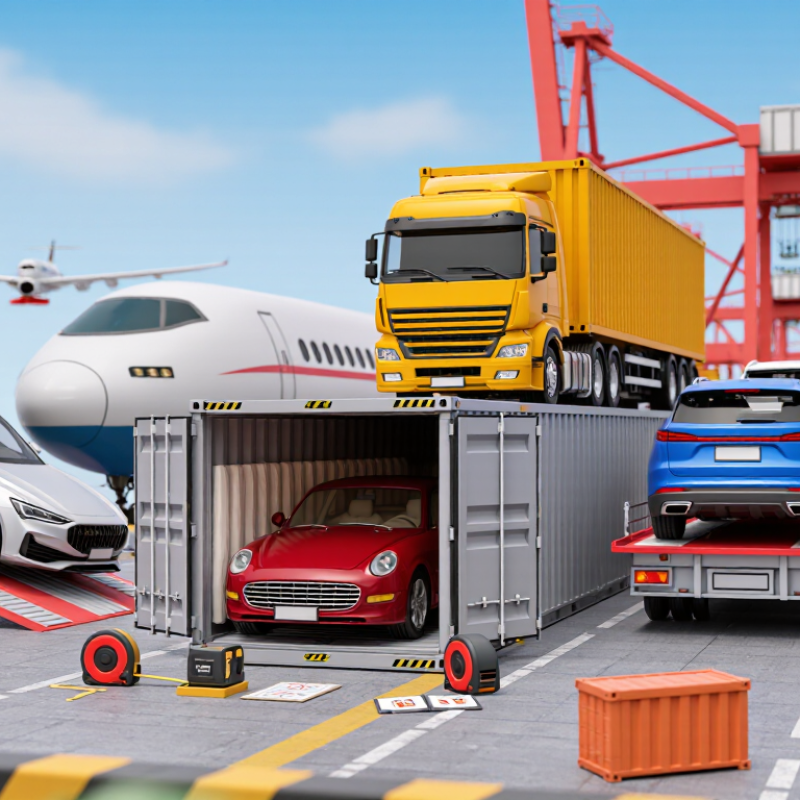
Automobile transport is the organized movement of vehicles between sellers, ports, warehouses, and buyers. It connects vehicle production with international demand. In global trade, the method affects cost, delivery time, safety, and customs preparation. Common options include open-carrier trucking, enclosed trucking, rail transport, air freight, sea freight, roll-on/roll-off shipping, container shipping, flat-rack shipping, port-to-port service, and door-to-door delivery. Each method serves a different risk profile. A family car may travel by rail to a port, then by vessel to another country. A rare vehicle may require enclosed handling and additional insurance.
Reliable transport begins with accurate vehicle details, export documents, inspection records, and clear delivery instructions. Experienced coordinators check dimensions, battery condition, fuel levels, loading points, and port deadlines. Small errors can create storage charges or delays. Customs rules also differ by destination, so current professional guidance matters. Tracking updates should match actual milestones, not vague promises.
A common mistake is choosing the cheapest route first. That decision can ignore seasonal port congestion, inland distance, or protection needs. Cost is only one part. Timing matters too. Vehicle transport is rarely perfectly predictable. Weather, inspections, and document corrections can change a schedule. Good planning leaves room for those disruptions and keeps every handoff recorded. Clear communication builds trust, although even careful planning cannot remove every uncertainty.
Top 10 Types of Automobile Transport for Global Buyers
Automobile transport is the movement of vehicles between manufacturers, dealers, ports, logistics hubs, and buyers. The chart compares representative door-to-door transit-time benchmarks for major vehicle transport methods used in global trade.
Transit times are typical planning benchmarks in calendar days and can vary according to route, customs clearance, port congestion, vehicle preparation, and final-mile distance.
Examining Roll-On/Roll-Off, Container, and Flat-Rack Shipping Methods
Top 10 Types of Automobile Transport for Global Buyers
Examining Roll-On/Roll-Off, Container, and Flat-Rack Shipping Methods
Global buyers often compare ten automobile transport types, but three ocean methods deserve close attention. Roll-on/roll-off shipping moves a running vehicle onto a vessel using built-in ramps. It usually costs less than container service. However, the vehicle remains in a shared terminal environment. Loose items should be removed, and the fuel level must follow carrier instructions. Small preparation mistakes can delay loading.
Container shipping offers stronger protection from weather, dust, and nearby cargo. One or several vehicles can fit inside, depending on size and securing requirements. Technicians use wheel chocks, straps, and blocking materials to reduce movement during rough seas. Moisture can still enter through condensation. Inspect the container seals. Record existing scratches with dated photographs.
Flat-rack shipping handles oversized vehicles that cannot fit through standard container doors. The vehicle sits on an open steel platform and may need extra lashing or weather protection. Width, height, and weight measurements must be accurate. A few centimeters can affect port acceptance and handling charges. In practical logistics work, unclear terminal fees remain a frustrating problem. I would question any quote that hides them. Ask for written details about loading, storage, documentation, inland delivery, and damage reporting. The cheapest method is not always the most controlled one.
Exploring Air Freight, Rail, Road, and Multimodal Vehicle Transport
Top 10 Types of Automobile Transport for Global Buyers
Global vehicle transport usually combines air freight, rail, road, and multimodal services. Air freight is the fastest option for urgent vehicles, prototypes, or high-value units. The International Air Transport Association reported 11.3% growth in global air-cargo demand during 2024. However, air transport costs can rise sharply with vehicle dimensions, weight, and battery requirements.
Rail transport offers a practical balance between cost, security, and delivery time across connected regions. It suits large vehicle batches moving through established inland corridors. Road transport remains essential for collection, customs delivery, and final-mile movement. The World Bank’s 2023 Logistics Performance Index highlighted timeliness and shipment tracking as major logistics priorities. In practice, a vehicle may travel by truck, rail, and truck again. Delays can still happen. A missed rail connection may add several days.
Tips: Compare total landed cost, not only freight rates. Ask for route visibility, loading photographs, insurance terms, and delivery milestones. Confirm vehicle measurements before booking. Multimodal transport can reduce handling costs, but every transfer creates another inspection point. The United Nations Conference on Trade and Development reports that transport disruptions continue to affect global supply-chain reliability. Buyers should also check local import rules, documentation, and charging or fuel conditions. I have seen schedules look perfect on paper, yet weather and border congestion changed them quickly. Build a small time buffer.
Evaluating Costs, Safety, Customs, and Choosing the Right Transport Type
Choosing among the top 10 automobile transport types requires more than comparing advertised prices. Open-carrier shipping is usually economical, while enclosed transport offers stronger protection from rain, dust, and road debris. Container shipping suits international routes and valuable vehicles. Roll-on, roll-off service can reduce handling, but the car may face greater exposure during port operations.
Costs change with distance, vehicle size, fuel charges, insurance, storage, and destination fees. Door-to-door delivery saves time, yet terminal-to-terminal service may cost less. Air freight is fast but rarely practical for ordinary vehicles. Rail transport can offer a useful balance between price and security on long inland routes. Ask for a written quote with loading, unloading, customs handling, and possible storage clearly listed.
Safety begins with a documented inspection. Photograph the odometer, wheels, glass, and existing scratches before handover. Confirm the carrier’s insurance limits and claims process. Customs requires accurate invoices, ownership documents, identification numbers, and import records. Cleaning the underbody may prevent delays caused by agricultural inspection. Rules differ by country and can change without warning. Professional customs advice is worth the fee.
I have found that the cheapest option is not always cheaper. A delayed document once created extra storage costs. That mistake was avoidable. Recheck tax estimates, delivery windows, and vehicle dimensions before paying. Think carefully. The right method depends on value, urgency, route conditions, and your tolerance for uncertainty.

 Track Your Shipment
 Online Enquiry
 Sign In
 English