Top Car Carrier Transport Services for Global Buyers
Buying a vehicle across borders requires more than comparing freight rates. Reliable car carriers transport providers coordinate pickup, ocean routing, customs documentation, insurance, and final delivery. Their work connects dealerships, exporters, auction platforms, and private buyers across major global markets.
Experienced providers explain each stage before payment begins. They confirm vehicle dimensions, running condition, destination port, and required paperwork. A professional team also checks whether the car fits a RoRo vessel, container, or specialized enclosed carrier. Small details matter. A loose battery, incorrect chassis number, or missing export document can delay loading for days. Clear communication helps prevent these avoidable problems.
The strongest companies offer verifiable licenses, transparent quotations, cargo tracking, and written damage procedures. They use experienced port agents and recommend suitable coverage for the vehicle’s value. However, no carrier is perfect. Weather, congestion, inspections, and changing shipping schedules can still affect delivery times. Buyers should ask direct questions and keep realistic expectations. Personal experience shows that the cheapest quote may exclude terminal charges, storage, inland transport, or destination handling. That difference often appears later. This guide reviews leading car transport services for global buyers, focusing on practical reliability, documented expertise, service coverage, and honest pricing. It also considers how each provider handles fragile vehicles, electric cars, oversized models, and communication across time zones. Careful research takes longer, but it can protect both the vehicle and the buyer’s budget.
Define Car Carrier Services: RoRo, PCTC, Container, and Multimodal Options
Car carrier transport services connect sellers, dealers, and private buyers with overseas destinations. The right method depends on vehicle size, quantity, route, budget, and delivery urgency. In practice, accurate measurements matter more than rough estimates.
RoRo, or Roll-on/Roll-off shipping
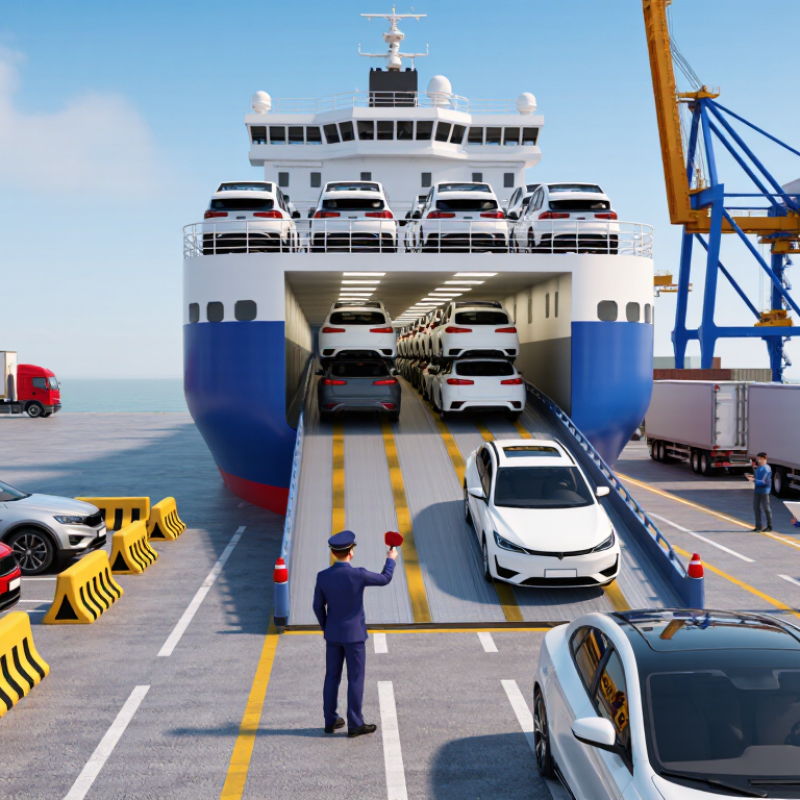
moves running vehicles through a vessel’s ramps. Staff secure each car on a designated deck using wheel chocks and straps. It is often efficient for standard cars, vans, and machinery. Non-running vehicles may require special handling, which can raise costs.
PCTC vessels
carry many passenger cars on multiple enclosed decks. They offer structured loading, stable positioning, and strong capacity for regular vehicle shipments. PCTC schedules can be less flexible on smaller routes.
Container shipping
places one or several vehicles inside a sealed steel unit. It provides added protection from weather and allows shared loading when dimensions fit safely. However, poor space planning can increase handling time and damage risk.
Multimodal transport
combines sea freight with rail, truck, or inland delivery. This option helps reach locations far from major ports. Reliable coordination requires checking chassis access, terminal transfers, insurance terms, and destination procedures.
A common mistake is choosing the lowest quote before confirming loading conditions. That decision can create delays, unexpected fees, or difficult unloading. Experienced providers review photographs, vehicle dimensions, battery status, and delivery access before booking. Details often decide whether the journey feels controlled or stressful.
Compare Ocean Routes: UNCTAD Reports Over 80% of Global Trade by Volume Moves by Sea
Global buyers often compare car carrier transport services by price, but ocean route design deserves equal attention. UNCTAD reports that over 80% of global trade by volume moves by sea. For vehicles, this scale supports regular RoRo and container connections between major production and destination ports.
A direct ocean route usually reduces handling, transit uncertainty, and the risk of visible loading damage. However, it may offer fewer sailing dates. A transshipment route can provide better frequency, but every port change adds waiting time and another inspection point. Buyers should compare sailing schedules, port charges, inland delivery, cargo insurance, and customs documentation together. A low ocean quote can become expensive after storage fees.
Small details matter. Check whether vehicles are secured with approved wheel chocks and straps. Confirm the inspection process before loading. Ask how weather delays, battery disconnection, and minor cosmetic claims are recorded. Salt air can affect exposed metal, especially during long voyages or port storage. Photographs taken at pickup and discharge create useful evidence.
I have seen route comparisons fail because they counted only sea days. Port queues were ignored. That was a poor assumption. Seasonal congestion, canal restrictions, and holiday closures can change delivery estimates. Buyers should request a written timeline with separate sea, port, and inland stages. It is not perfectly predictable, but transparent planning makes surprises easier to manage.
Assess Carrier Capacity Through CEU, Sailing Frequency, Port Coverage, and Fleet Age
Top Car Carrier Transport Services for Global Buyers
Assess Carrier Capacity Through CEU, Sailing Frequency, Port Coverage, and Fleet Age
Choosing a car carrier requires more than comparing quoted freight rates. CEU, or Car Equivalent Unit capacity, shows how many vehicles a vessel can handle. A 6,000-CEU ship may suit large export programs, but available space matters more than the headline figure. Ask for typical utilization on your intended route.
Sailing frequency affects inventory planning. Weekly departures can reduce yard congestion and shorten waiting periods. Monthly service may create longer holding times, especially during seasonal demand. I recommend checking published schedules against recent departure records. Delays happen. Weather, port congestion, and loading changes can disrupt even well-planned movements.
Port coverage should match your actual origin and destination, not just a carrier’s global map. Confirm terminal access, RoRo ramp availability, inland connections, and handling procedures. A broad network may still require an expensive transshipment. Fleet age also deserves careful review. Newer vessels often provide improved fuel efficiency, digital tracking, and safer cargo handling. Older ships are not automatically unsuitable, but maintenance records and inspection history become more important. Small details matter. Buyers should request documented fleet data, recent schedule performance, and clear terms for delays or damage claims. I have found that capacity estimates can look precise while remaining difficult to verify. That uncertainty deserves a second question before booking.
Verify Safety and Emissions: IMO Reports Shipping Produced 2.89% of Global GHGs
Top Car Carrier Transport Services for Global Buyers
For global buyers, choosing a car carrier involves more than comparing ocean rates. The International Maritime Organization reports that shipping produced
2.89%
of global greenhouse gas emissions. That figure makes emissions verification a practical buying issue, not a public-relations detail. A vessel may carry thousands of cars, yet fuel use, route length, and port waiting time still matter.
Experienced logistics teams should request recent emissions data, fuel records, and voyage details before booking. Ask how the carrier measures carbon dioxide, methane, and nitrous oxide. Check whether figures cover the full voyage, including delays and repositioning.
Safety deserves equal attention. Review inspection records, cargo-securing procedures, crew training, fire controls, and weather-routing practices. Small gaps can create expensive delays.
Independent verification is valuable. A qualified maritime surveyor can compare certificates with the vessel’s actual condition and operating history.
Buyers should also confirm insurance limits and damage-reporting procedures. In practice, schedules can change after rough weather or congested terminals.
No emissions report is perfect. Data may vary between ships, routes, and reporting methods. That uncertainty should be disclosed, not hidden. A careful buyer asks for evidence before trusting a polished efficiency claim.
Calculate Landed Cost, Transit Risk, Customs Time, and Delivery Performance Metrics
Top Car Carrier Transport Services for Global Buyers
Calculate Landed Cost, Transit Risk, Customs Time, and Delivery Performance Metrics
A competitive car carrier quote is not the landed cost. Add vehicle value, ocean freight, insurance, duties, taxes, port fees, storage, and inland delivery. UNCTAD reports that maritime transport carries over 80% of global merchandise trade. That scale also exposes buyers to congestion, weather, and schedule changes. Build low, expected, and high-cost scenarios. A neat spreadsheet can still mislead.
Measure transit risk with median and 90th-percentile transit times, not one promised date. Sea-Intelligence reported global liner schedule reliability at 54.6% in December 2024. This container benchmark is not vehicle-specific, but it shows why buffers matter. Track customs clearance time, inspection frequency, document rejection rates, and port dwell time. The World Bank’s 2023 Logistics Performance Index also evaluates customs, tracking, infrastructure, and timeliness. These categories help compare routes more fairly. Delivery performance should include on-time-in-full delivery, damage claims, missed appointments, and final-mile variance. My first estimate would probably understate storage risk.
Tips: Request a complete cost sheet before booking. Use percentiles. Separate carrier delays from customs delays. Keep invoices, inspection photos, and delivery timestamps. Review three months of actual performance, not only sales projections. Reality is messier.
Top Car Carrier Transport Services for Global Buyers
Planning benchmark for landed cost, transit risk, customs time, and delivery performance across major vehicle shipping corridors.
Landed cost is shown as a percentage of vehicle value and includes estimated freight, insurance, duties, taxes, port handling, and inland delivery. Transit risk is an index from 1 to 10, where higher values indicate greater exposure to delay or disruption. Customs time and delivery performance are shown in days and percentage points. Values are corridor-level planning benchmarks and should be validated against the vehicle type, origin port, destination rules, season, and current customs requirements.


 Track Your Shipment
 Online Enquiry
 Sign In
 English