How to Transport Your Car from Canada to the US: A Comprehensive Guide
Transporting your car from Canada to the US involves a mixture of careful planning and understanding of the logistical challenges that come with cross-border transportation. As noted by automotive logistics expert Mark Thompson, “Navigating the processes of canada to us car transport requires both attention to detail and a clear understanding of customs regulations.” This statement underscores the importance of being well-informed about the necessary steps to ensure a smooth transition for your vehicle.
The process can be daunting for many, as it requires compliance with various legal and regulatory requirements. From the vital documentation to the specific transportation methods available, understanding these elements can make a significant difference. In this comprehensive guide, we will break down the key considerations and steps involved in successfully transporting your car from Canada to the US, enabling you to move forward with confidence. Whether you're relocating, purchasing a new vehicle, or simply looking to take your car south for a season, being equipped with the right knowledge will make all the difference in this journey.

Understanding Customs Regulations for Car Transport from Canada to the US
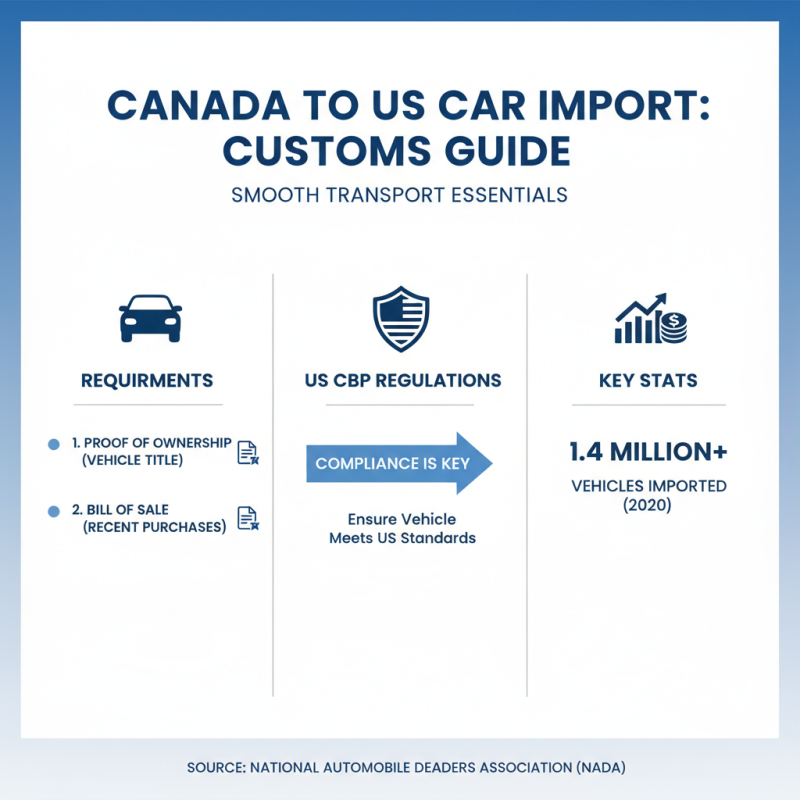
Transporting your car from Canada to the US involves navigating a complex landscape of customs regulations that can significantly impact your experience. The U.S. Customs and Border Protection (CBP) agency requires that all vehicles entering the country comply with specific standards. Key among these is the requirement for proof of ownership, such as the vehicle's title. It’s essential to also carry a bill of sale if the car was recently purchased. According to data from the National Automobile Dealers Association, nearly 1.4 million vehicles were imported into the U.S. from Canada in 2020, emphasizing the importance of understanding these customs requirements to ensure a smooth transport process.
In addition to ownership documents, ensuring that your vehicle meets U.S. Environmental Protection Agency (EPA) and Department of Transportation (DOT) standards is crucial. Many Canadian vehicles meet these standards, but modifications might be necessary for compliance. An article from the International Trade Administration reports that approximately 60% of Canadian vehicles are built to meet U.S. specifications, which can simplify their importation. It is advisable to confirm these specifications and consider obtaining a letter of compliance from the manufacturer if needed. With thorough preparation and adherence to regulations, transporting your car can be a straightforward process, allowing you to enjoy your new ride in the U.S. without unnecessary delays.
Choosing the Right Transport Method: Shipping vs. Driving Your Car
When considering how to transport your car from Canada to the US, one of the primary decisions is choosing the right transport method: shipping versus driving. Shipping your car offers convenience and efficiency, especially for long distances. According to a report by the American Moving and Storage Association, approximately 60% of vehicle owners prefer transport services when relocating, as it eliminates the wear and tear associated with long drives, weather-related issues, and potential breakdowns. Furthermore, industry estimates suggest that the average cost of shipping a vehicle can range from $800 to $1,500, depending on the distance and transport type, such as open or enclosed carriers.
On the other hand, driving your car can be an appealing option, particularly for those who enjoy road trips or want to explore scenic routes. However, it's essential to consider logistical challenges such as potential costs for fuel, lodging, food, and the overall time commitment. The U.S. Department of Transportation notes that the average cost of fuel per mile in North America can fluctuate, and with rising gas prices, it’s crucial to calculate your total expenses before deciding. Furthermore, a driving trip can take several days, leading to potential delays and unforeseen complications, making shipping a more appealing option for many. Ultimately, the choice between shipping and driving depends on individual preferences, budget considerations, and time availability.
Preparing Your Vehicle for Cross-Border Transport: Essential Steps
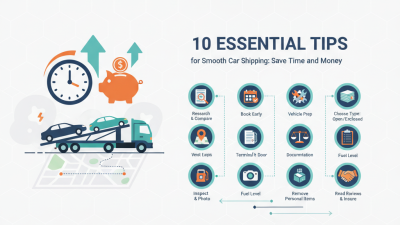
Preparing your vehicle for cross-border transport from Canada to the U.S. requires careful planning and attention to detail. First, it's crucial to give your car a thorough inspection. Check the fluid levels, tire pressure, and battery health to ensure your vehicle is in good working condition. Make sure there are no leaks or malfunctions, as these could cause problems during transport. Additionally, clean your vehicle inside and out to make it easier for inspectors to evaluate its condition.
Next, gather all the necessary documentation before the trip. This includes proof of ownership, any import/export paperwork, and your vehicle’s registration. Ensure that you have a copy of your insurance policy, as you may need to present this at the border. It’s also wise to take photographs of your vehicle from various angles to document its condition prior to transport. Lastly, consider preparing your vehicle for potential customs requirements by removing any personal items or modifications that might attract scrutiny. By following these essential steps, you can help facilitate a smooth and hassle-free cross-border car transport experience.
Required Documentation for Transporting Your Car Across the Border
When transporting a car from Canada to the US, understanding the required documentation is crucial to ensure a smooth transition across the border. According to a report by the International Organization for Migration, nearly 1.5 million vehicles are imported into the US from Canada annually, highlighting the necessity for proper paperwork. The primary documents typically needed include proof of ownership, such as the vehicle title, and a bill of sale. This ensures that the ownership is clear and helps facilitate any inspections that may be conducted upon entry.
Additionally, it is essential to have a valid identification document, like a passport or a driver’s license, for all individuals involved in the transport. A Vehicle Import Form HS-7 must also be completed, which is particular to the US Department of Transportation. This form certifies that the vehicle complies with US safety and emissions standards. Furthermore, if the vehicle is less than 25 years old, the EPA form 3520-1 is also necessary to verify that it meets environmental regulations. Statistically, addressing these documentation needs upfront can significantly reduce the chances of delays at the border, where approximately 30% of vehicle imports face scrutiny due to incomplete paperwork, according to a 2022 Customs and Border Protection report.
Cost Considerations and Budgeting for Car Transport to the US
When planning to transport your car from Canada to the US, budgeting is a critical aspect that can greatly influence your decision-making process. The overall cost of car transport can vary significantly based on factors such as distance, transport method (open vs. enclosed), and the car's size and value. On average, transporting a vehicle across the border can range from $500 to $2,000. To get a comprehensive understanding of your budget, it’s essential to gather quotes from multiple transport services and consider any additional fees that may arise, such as customs clearance and insurance.
**Tips**: To help you manage costs effectively, consider booking your transport service well in advance. Early reservations often provide better rates and allow for flexibility in scheduling. Also, evaluate the possibility of transporting your car during off-peak seasons when prices may be lower, and demand for transport services is decreased.
Another significant aspect to factor into your budget is the potential costs related to customs duties and taxes. While importing a vehicle to the US may not incur significant tariffs, it is crucial to be informed about the regulations and potential fees involved to avoid any financial surprises. Researching the specific paperwork required for customs can also prevent delays that could increase transport costs.
**Tips**: Keep meticulous records of all expenses related to your car transport process and include estimated costs for customs duties in your budget. This way, you'll have a clear financial picture and can better manage your resources as you prepare for your vehicle's journey south of the border.
Cost Comparison of Different Car Transport Methods from Canada to the US


 Track Your Shipment
 Online Enquiry
 Sign In
 English