What Is Canada to US Car Transport?

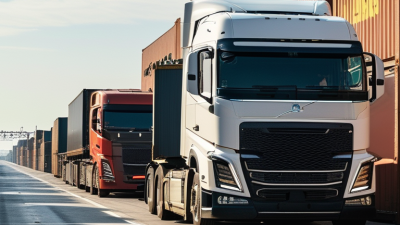
Canada to US car transport is the process of moving a vehicle across the border, usually by truck. It can suit people relocating, buying a car, or arranging a seasonal move. The service may include pickup at a home or dealership, border-crossing coordination, and delivery to a chosen address. Details vary by carrier and route. A car collected in Toronto, for example, may travel on an open carrier, while enclosed transport can offer added protection from road debris and weather. The right option depends on the vehicle, budget, and schedule.

Cross-border moves need careful preparation. Owners should confirm which documents the carrier requires, check that the vehicle’s details match its paperwork, and ask who handles border procedures. Delivery estimates can shift with distance, weather, traffic, and processing time. A signed condition report and clear photos can help record the car’s state before loading. Small details matter.

For this introduction, the following is an original editorial quote—not a verified statement from a named industry professional: “Clear paperwork and realistic timing make a cross-border vehicle move easier to manage.” That distinction matters. Readers should verify any expert attribution before publication. This guide explains what canada to us car transport involves, what questions to ask a provider, and how to prepare a vehicle for its journey. It also highlights practical choices, from open versus enclosed carriers to pickup and delivery arrangements. No route is exactly alike, and a tidy checklist cannot remove every surprise. It can, however, make the process clearer.

What Is Canada to US Car Transport?

Transport Scope and Modes: Open vs. Enclosed Cross-Border Carriers

Canada-to-US car transport can cover pickup, cross-border movement, and delivery near the vehicle’s destination. The exact scope depends on the route and carrier arrangement. Before booking, confirm who handles border paperwork and what documents you must provide. Requirements vary with the vehicle and shipment details, so check current guidance with the relevant authorities. Open transport is a common option: cars ride on an uncovered trailer, often alongside other vehicles. It can be a practical choice when price matters more than extra weather protection. Road spray happens.

Enclosed transport places the vehicle inside a covered trailer. This helps shield it from rain, dust, and road debris, though it usually costs more and may offer less flexible scheduling. Owners of classic, high-value, or freshly restored cars may prefer that added protection. Neither option is automatically best. The right choice depends on the car, route, budget, and your tolerance for exposure.

Ask about pickup access, delivery arrangements, insurance coverage, and how the vehicle’s condition is recorded. Take clear, dated photos before loading, including close-ups of existing marks. A narrow residential street or low-clearance driveway can affect pickup, so mention those details early. Comparing only the quoted price can miss important service differences.

Import Eligibility: NHTSA’s 25-Year Rule and EPA’s 21-Year Rule

Canada-to-US car transport involves more than arranging a carrier. Import eligibility depends on the vehicle’s age, emissions configuration, and paperwork. A vehicle’s Canadian registration alone does not establish that it meets U.S. requirements.

NHTSA generally exempts vehicles at least 25 years old from federal motor vehicle safety standards, measured from the manufacture date. EPA’s age-based exemption generally applies at 21 years, provided the vehicle retains its original engine configuration. The two clocks differ, so a vehicle may meet one threshold before the other. S&P Global Mobility’s 2024 analysis put the average age of U.S. vehicles at 12.6 years, a useful reminder that these exemptions mainly concern much older cars. Age is not the whole story.

Tips: Check the manufacture date and engine history before booking transport. Keep registration and ownership records accessible. Confirm applicable federal, customs, and state requirements with the relevant authorities; transport does not guarantee import approval. Small details matter, and documents can be easy to overlook.

Customs Clearance: CBP Entry, Vehicle Identification, and Required Documents

Canada-to-US car transport involves more than loading a vehicle onto a carrier. At the US border, Customs and Border Protection (CBP) reviews the vehicle’s entry and supporting paperwork. Requirements can vary with the car’s age, configuration, and reason for import. Check the current rules before pickup, not when the truck reaches the crossing.

The vehicle identification number (VIN) should match across the car and its documents. Inspect the VIN plate near the windshield or the label on the driver-side door, then compare it with the title and transport records. Small mismatch, big delay.

Keep the original title or other proof of ownership, registration, bill of sale when applicable, and any lien-release paperwork together. CBP may request these during review. Separate Department of Transportation and Environmental Protection Agency declarations may also apply, including forms such as DOT Form HS-7 or EPA Form 3520-1.

Which forms are needed depends on the vehicle and entry circumstances. A customs broker can help identify the applicable filing steps, but confirm details with official agencies. Paperwork can look complete and still leave a question unanswered; allow time to correct a discrepancy before dispatch.

USMCA Origin Test: 75% Regional Value Content for Passenger Vehicles

What Is Canada to US Car Transport?
USMCA Origin Test: 75% Regional Value Content for Passenger Vehicles

Moving a passenger vehicle from Canada to the United States is a logistics step, not proof of USMCA origin. To qualify for preferential tariff treatment, a vehicle generally must meet the agreement’s 75% regional value content threshold. That figure is calculated under prescribed rules, usually using the net-cost method. It is not simply 75% of the vehicle’s sale price.

The calculation looks at qualifying North American content across the vehicle and its parts. Assembly in Canada alone does not settle the question. Not quite. A vehicle may need to satisfy other applicable automotive rules, too, including requirements related to labor value and steel and aluminum sourcing. Importers should keep clear records showing how the vehicle and its components meet the rules. A bill of lading confirms the trip, but it does not establish origin. That distinction matters. In practice, tracing parts through several suppliers can be messy, and a small documentation gap may complicate a tariff claim. Check the vehicle’s origin records before shipment, and seek qualified customs guidance when the calculation is uncertain.

What Is Canada to US Car Transport? - USMCA Origin Test: 75% Regional Value Content for Passenger Vehicles
Topic Requirement or Fact Practical Meaning for Passenger Vehicles
Trade agreement The United States–Mexico–Canada Agreement (USMCA) establishes rules of origin for qualifying goods traded among the United States, Canada, and Mexico. A vehicle transported from Canada to the United States does not qualify for preferential tariff treatment solely because it was shipped from Canada. It must satisfy the applicable origin rules.
Passenger-vehicle regional value content (RVC) At least 75% RVC under the net cost method. The vehicle must meet the threshold using the prescribed calculation and qualifying originating materials and production within the USMCA region.
RVC calculation RVC = [(Net Cost − Value of Non-Originating Materials) ÷ Net Cost] × 100. For example, if net cost is $20,000 and the value of non-originating materials is $5,000, the calculated RVC is 75%.
Net cost Net cost is determined under the agreement’s rules and generally excludes certain costs, such as sales promotion, marketing, after-sales service, royalties, shipping, and packing costs. Use the applicable USMCA definitions and accounting records; a simple vehicle sale price is not the net-cost figure.
Core parts Specified core parts for passenger vehicles are subject to a 75% RVC requirement under the applicable USMCA automotive rules. Vehicle-level qualification can depend on the treatment and origin of covered core parts, as well as the vehicle’s own RVC calculation.
Steel and aluminum purchasing Vehicle producers must meet the USMCA requirement that at least 70% of their steel and aluminum purchases, measured by value, originate in the USMCA region, subject to the agreement’s rules. This is a producer-level requirement; it is not a substitute for the vehicle’s RVC test.
Labor value content (LVC) Passenger vehicles are subject to an LVC requirement of 40%, including prescribed high-wage materials and manufacturing, technology, and assembly components. LVC is a separate automotive-origin requirement. It is not included as a percentage in the 75% RVC calculation.
High-wage production threshold The USMCA automotive LVC rules use a high-wage production threshold of US$16 per hour, as defined by the agreement. Assessment depends on qualifying production and cost records; the threshold does not mean every worker or production activity must individually meet that hourly rate.
Shipment from Canada to the United States Cross-border transport and USMCA origin qualification are separate matters. Shipping a vehicle across the border does not establish origin. Importers should retain supporting origin documentation and satisfy applicable customs entry requirements.
Preferential tariff claim USMCA preferential treatment may be claimed for goods that meet the rules of origin and applicable certification and import requirements. Confirm the vehicle’s specific classification, production facts, origin calculation, and documentation before making a claim.

Note: USMCA automotive rules are detailed and may depend on vehicle classification, production period, averaging method, and other agreement provisions. Verify the current requirements with official customs guidance or a qualified trade professional.

Delivery and Registration: Inspections, Titles, and State-Level Requirements

Once a Canada-to-US vehicle arrives, customs release is only one checkpoint. Keep the bill of sale, Canadian registration or ownership document, and import paperwork together. U.S. Customs and Border Protection and the National Highway Traffic Safety Administration require specific documents for vehicle entry; admissibility can depend on the vehicle’s safety certification and import eligibility. A Canadian registration document does not automatically become a U.S. title.

The next step is usually a state title application, with a VIN inspection or emissions test where required. Rules differ by state and sometimes county. Officials may ask for proof of ownership, customs-release records, and evidence that the vehicle meets applicable federal requirements. S&P Global Mobility reported that the average U.S. light vehicle was 12.6 years old in 2024. Age alone proves nothing about compliance, but older cars deserve careful checks of labels, paperwork, and condition.
Small detail. Big delay.

Before delivery, ask the destination state’s motor vehicle agency which forms and inspections apply to that exact vehicle. Confirm whether an appointment is needed, and check that the VIN matches every document. It is easy to assume a passed inspection settles everything; it may not satisfy separate title or emissions rules. A missing certification label can also trigger extra review, so verify eligibility before arranging transport.