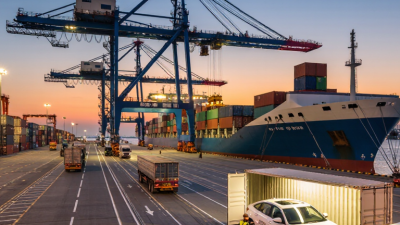
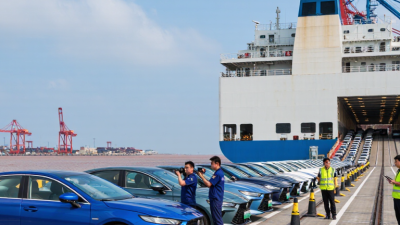
International vehicle transport is the process of moving a car, motorcycle, truck, or recreational vehicle across national borders. It may involve ocean freight, air cargo, rail service, or coordinated road transport. The vehicle usually travels inside a container, on a roll-on/roll-off vessel, or on a specialized carrier.
The process begins with route planning and document preparation. A reputable provider checks the vehicle’s condition, ownership records, shipping instructions, and destination requirements. Customs declarations, import approvals, insurance details, and delivery arrangements also require careful attention. Requirements differ between countries. Even a small error in the vehicle identification number or invoice can cause delays.
Timing is rarely exact. Weather, port congestion, inspections, and local transport schedules can change the delivery date. That uncertainty deserves honest communication. A professional carrier should explain estimated costs, possible fees, cargo protection, and tracking options before accepting the shipment. Photographs of scratches, dents, mileage, and accessories create a useful condition record. Keep copies of every document.
International vehicle transport is not simply “shipping a car overseas.” It is a managed chain involving logistics specialists, customs professionals, carriers, ports, and receiving agents. Personal experience often reveals overlooked details, such as removing loose items or checking battery and fuel requirements. However, experience alone is not enough. Current official guidance and written carrier policies matter more.
The safest approach is careful preparation. Verify licensing, insurance coverage, customer reviews, and contract terms. Ask questions early. Confirm responsibilities at both locations. No provider can promise perfect timing, but a reliable one can provide clear updates and practical solutions when plans change.
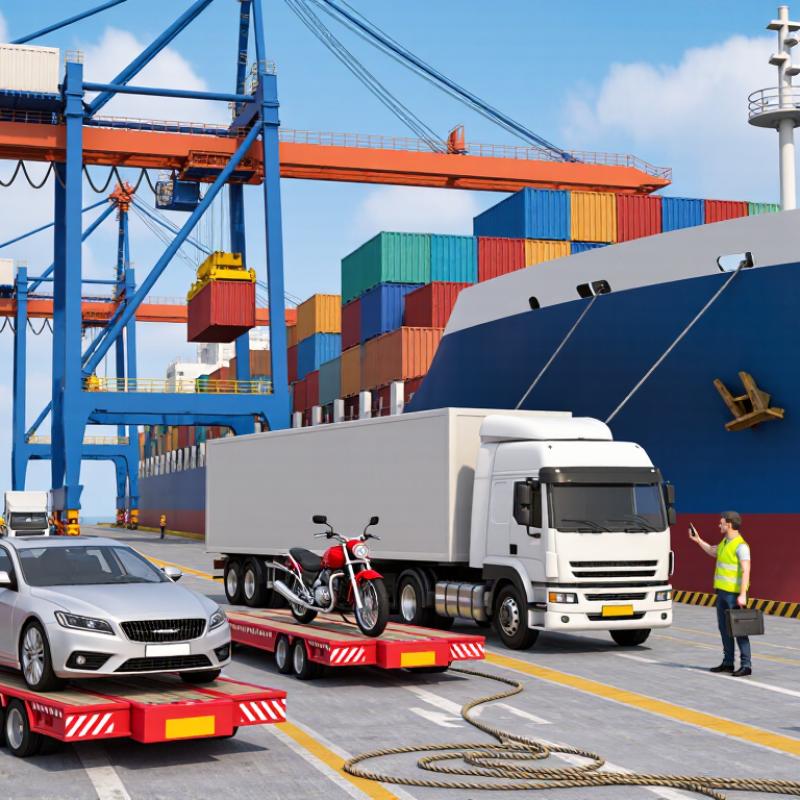
International vehicle transport means moving cars, motorcycles, trucks, or specialty vehicles across national borders. Its scope covers the complete logistics chain, not only ocean freight. A shipment may include origin inspection, inland collection, port handling, vessel loading, customs documentation, destination clearance, and final delivery. RoRo shipping is common for operational vehicles, while containers can protect smaller or high-value units. Rail and road transport often connect ports with inland destinations.
The scale is substantial. UNCTAD’s Review of Maritime Transport reports that more than 80% of global merchandise trade by volume travels by sea. Vehicle logistics therefore depends heavily on maritime capacity, port efficiency, and accurate scheduling. The IEA’s Global EV Outlook 2024 recorded nearly 14 million electric car sales worldwide in 2023. This growth increases demand for specialized handling, battery-related documentation, and suitable storage conditions.
From practical experience, delays rarely come from one stage alone. A missing export document, an incorrect vehicle measurement, or a port inspection can disrupt the entire route. The definition is useful, but it is not perfect. Some providers treat customs brokerage as separate, while others include it within transport services. Shippers should verify insurance coverage, damage-report procedures, delivery terms, and destination requirements before booking. Small details matter.
International vehicle transport is the movement of cars, trucks, buses, and other motor vehicles across national borders by road, rail, sea, or air. Global vehicle production provides a useful indicator of the scale of vehicles that may enter international logistics networks, although production figures do not represent direct shipment volumes.
Scope: International vehicle transport typically includes export preparation, customs documentation, port or terminal handling, multimodal movement, border clearance, delivery, and compliance with destination-country regulations.
Source: International Organization of Motor Vehicle Manufacturers (OICA), global motor vehicle production statistics.
International vehicle transport depends on distance, vehicle size, delivery urgency, and budget. The main shipping methods are ocean containers, roll-on/roll-off vessels, air freight, and land transport. Each option creates different practical concerns.
Container shipping protects a vehicle inside a sealed steel unit. It suits valuable, delicate, or non-running vehicles. A vehicle may share space with others, although loading plans require careful measurements. Roll-on/roll-off shipping is often simpler. Workers drive the vehicle onto a secured vessel deck. This method usually costs less, but the vehicle remains in a shared transport environment. The car must normally be operable and prepared according to carrier instructions.
Air freight is the fastest method, but its cost can be substantial. It may serve urgent deliveries, specialty vehicles, or time-sensitive business needs. Land transport uses enclosed or open carriers, rail, or a combination of both. Rail can cover long inland distances efficiently, while trucks handle collection and final delivery. Border transfers may involve changing vehicles or inspecting documents.
Preparation matters more than many owners expect. Record the vehicle’s condition with dated photographs. Note scratches, dashboard warnings, fuel levels, and loose accessories. Remove personal items. Confirm dimensions and weight before booking. Documentation errors can delay a shipment for days. I have found that estimated delivery dates are useful, but rarely perfect. Weather, port congestion, and inspection schedules can shift them. Clear communication with the carrier helps, though it cannot remove every uncertainty.
| Shipping Method | How It Works | Best Suited For | Typical Transit Time* | Relative Cost | Vehicle Protection | Vehicle Capacity | Main Advantages | Common Limitations |
|---|---|---|---|---|---|---|---|---|
| Roll-on/Roll-off (RoRo) | Vehicles are driven onto a specialized vessel, secured on internal decks, and driven off at the destination port. | Running cars, vans, trucks, buses, construction vehicles, and agricultural machinery. | 18–45 days port to port | ★★☆☆☆ Usually the lowest ocean-shipping cost |
★★★☆☆ Covered vessel decks, but vehicles are handled individually. |
One vehicle per parking position; suitable for large and heavy units. | Cost-efficient, fast loading, no container required, and practical for oversized vehicles. | The vehicle must generally be operational, and personal belongings are commonly restricted. |
| Container Shipping | One or more vehicles are loaded, secured, and sealed inside a standard 20-foot or 40-foot container. | Private cars, motorcycles, valuable vehicles, non-running vehicles, and shipments requiring enclosed protection. | 20–50 days port to port | ★★★☆☆ Moderate; shared containers can reduce cost |
★★★★★ Strong protection from weather and reduced exposure during handling. |
Usually one large vehicle or two compact vehicles in a 40-foot container, subject to dimensions and securing requirements. | Enclosed transport, flexible loading, and better suitability for non-running vehicles. | Higher loading and securing requirements; vehicle dimensions may limit container use. |
| Flat-Rack or Open-Top Container | The vehicle is secured to a reinforced platform or placed in a container with an open roof when standard container loading is unsuitable. | Oversized, high, wide, non-standard, or specialized vehicles and machinery. | 25–60 days port to port | ★★★★☆ Higher because of special equipment and handling |
★★★☆☆ Securely lashed, but often more exposed to weather than enclosed containers. |
One oversized unit per platform is common; capacity depends on dimensions and weight. | Handles vehicles that cannot fit inside standard containers and supports heavy-lift operations. | Limited availability, higher port charges, and possible weather exposure. |
| Air Freight | The vehicle is transported in a cargo aircraft or through specialized aircraft-loading equipment after preparation and documentation. | Racing vehicles, prototypes, emergency replacements, luxury vehicles, and time-sensitive shipments. | 2–10 days airport to airport | ★★★★★ Highest cost per kilogram and cubic meter |
★★★★☆ Short transit time and controlled handling, subject to aircraft requirements. |
Limited by aircraft door size, cargo deck height, weight, and fuel or battery restrictions. | Fastest international method and useful when delivery deadlines are critical. | Very expensive; not suitable for many large vehicles or routine shipments. |
| Rail Transport | Vehicles move by rail in enclosed or specialized rail wagons, often as part of a multimodal international route. | Regional cross-border shipments, fleet movements, and long inland distances connected to seaports. | 5–20 days terminal to terminal | ★★★☆☆ Moderate and distance-dependent |
★★★★☆ Generally consistent handling with lower road exposure. |
Several vehicles per rail wagon or train, depending on wagon design and route. | Efficient for inland corridors, lower emissions per vehicle-kilometer than road transport, and suitable for high-volume movements. | Dependent on rail infrastructure, terminal schedules, border procedures, and gauge compatibility. |
| Road Transport | Vehicles are moved by truck, car carrier, or specialized trailer across one or more national borders. | Neighboring countries, short-to-medium distances, and door-to-door delivery. | 1–14 days door to door | ★★★☆☆ Competitive for nearby countries; rises with distance |
★★★☆☆ Depends on trailer type, route, weather, and handling frequency. |
Several standard vehicles per carrier; oversized loads require route approval. | Flexible routing, direct delivery, and fewer port handling steps. | Border congestion, road restrictions, driver-hour rules, and weather can affect schedules. |
| Multimodal Transport | Two or more methods—such as truck, ocean vessel, rail, or inland barge—are combined under one coordinated transport plan. | Long-distance shipments requiring port-to-door or door-to-door delivery. | 25–70 days door to door | ★★★☆☆ Varies according to route and number of transfers |
★★★☆☆ Protection depends on each transport leg and the number of handling points. |
Scalable from individual vehicles to commercial fleets. | Combines the cost and network advantages of different transport modes. | More coordination, documentation, transfers, and potential schedule dependencies. |
Key shipping requirements: International vehicle transport commonly requires proof of ownership, vehicle identification details, export and import documents, customs declarations, insurance arrangements, and compliance with the destination country’s safety and emissions regulations.
What Is International Vehicle Transport?
International vehicle transport involves moving a car across borders while meeting strict documentation, customs, and import requirements. The process begins before loading. Owners usually need proof of ownership, a valid identity document, a purchase invoice, and a transport contract. Some countries also request an export declaration or an import permit. Requirements differ by destination.
Customs officers examine the vehicle’s declared value, origin, age, engine size, and emissions data. They may compare the documents with the vehicle identification number. Import duties, taxes, port fees, and inspection charges can apply. A clean vehicle may also be required because soil, seeds, or insects can create biosecurity problems. Small details matter here. One incorrect digit can delay clearance.
A licensed customs representative can help interpret local rules, but the owner remains responsible for accurate information. In practice, experienced shippers check every document before the vehicle reaches the port. They also confirm whether modifications meet local safety standards. Regulations can change, and online guidance may become outdated. That is an uncomfortable weakness in many shipping plans. A checklist reduces errors, but it cannot replace current advice from customs authorities. Keep copies of all documents, including receipts and inspection records. Storage charges may grow each day when paperwork is missing.
What Is International Vehicle Transport?
Key Costs, Transit Times, and Factors Affecting the Process
International vehicle transport moves a car between countries by road, rail, ocean freight, or combined services. Ocean shipping is common for long routes. UNCTAD’s Review of Maritime Transport 2024 states that ships carry over 80% of global merchandise trade by volume. Vehicles usually travel in roll-on/roll-off vessels or secured containers. Each method affects price, loading rules, and protection.
Costs rarely stop at the basic shipping quote. A realistic estimate may include inland collection, export handling, ocean freight, port fees, customs processing, duties, taxes, insurance, and final delivery. Port-to-port ocean transport often takes four to eight weeks. Door-to-door service can take six to twelve weeks. These are planning ranges, not promises. Congestion changes everything.
Vehicle size matters. So does the departure port.
The World Bank’s Logistics Performance Index 2023 highlights major differences in customs efficiency, infrastructure, and shipment timeliness across countries. Those differences can add days or unexpected handling charges. Weather, inspections, documentation errors, seasonal demand, and route changes also affect delivery. Experienced coordinators check the vehicle’s dimensions, operating condition, paperwork, and destination requirements before booking. A non-running vehicle may need a winch or special equipment. That detail is easy to miss.
Insurance deserves careful review. Basic carrier liability may not cover every risk or the vehicle’s full value. Published transit estimates can also look more certain than they really are. Building a time and budget buffer is practical, though not always comfortable.
What Is International Vehicle Transport?
How to Prepare a Vehicle for Safe International Shipment
International vehicle transport often involves ocean freight, port handling, inspections, and inland delivery. UNCTAD’s Review of Maritime Transport 2024 states that ships carry over 80% of global merchandise trade by volume. Your vehicle will share that complex network. Preparation reduces avoidable problems.
Start with a detailed condition record. Wash the vehicle, photograph every panel, and capture the odometer, dashboard lights, wheels, glass, and existing scratches. Remove personal items and loose accessories. Check tire pressure, fluid leaks, battery condition, and brake performance. Keep the fuel level low, unless transport instructions require otherwise. Disable alarms and toll devices. Disconnect the battery only when the vehicle manufacturer permits it.
Electric vehicles need extra attention. The International Energy Agency’s Global EV Outlook 2024 reports more than 14 million electric cars were sold worldwide in 2023, representing nearly 18% of new car sales. Record the battery percentage, charging cable, and warning messages. Follow the carrier’s requirements for charge level, terminal access, and high-voltage isolation. Never improvise with battery removal.
Prepare accurate ownership, registration, inspection, and shipping documents. Confirm the vehicle identification number matches every document. Give the carrier working keys, emergency contacts, and clear starting instructions. Photograph the fuel gauge again at handover. Small details matter.
A clean checklist still cannot predict every port delay. Weather, inspections, and schedule changes remain outside the owner’s control. I have found that rushed handovers create more confusion than difficult routes. Leave time for one final inspection.