

 Track Your Shipment
 Online Enquiry
 Sign In
 English
Why Choose Local Car Transport for Global Vehicle Buyers?
Buying a vehicle across borders can feel exciting, yet the delivery process often creates unexpected pressure. A car may leave a dealership smoothly, then face delays before reaching the port. This is where local car transport becomes valuable for global vehicle buyers. It connects the seller, storage facility, inspection site, and shipping terminal with clearer coordination.
A reliable local carrier understands regional roads, loading procedures, and common scheduling problems. Drivers can collect the vehicle from a dealership or private seller. They can also deliver it to an export warehouse or approved port facility. In practice, this may mean checking the vehicle’s condition, confirming the pickup address, and photographing existing scratches. These small details support better communication when several companies manage one shipment.
Professional transporters should provide written quotes, insurance information, and service terms. Buyers should verify licensing, carrier experience, and delivery responsibilities before payment. Customs rules and import requirements still belong to the buyer and relevant authorities. Local transport does not replace those obligations. It supports the physical movement of the vehicle.
The cheapest option is not always the safest. A low quote may exclude storage, terminal handling, or waiting time. That difference can become expensive later. Even experienced providers can face traffic, weather, or port congestion. A missed detail can still happen. Careful planning reduces the risk, but it cannot remove every uncertainty. For buyers purchasing vehicles globally, dependable local transport offers practical control during the most overlooked part of the journey.
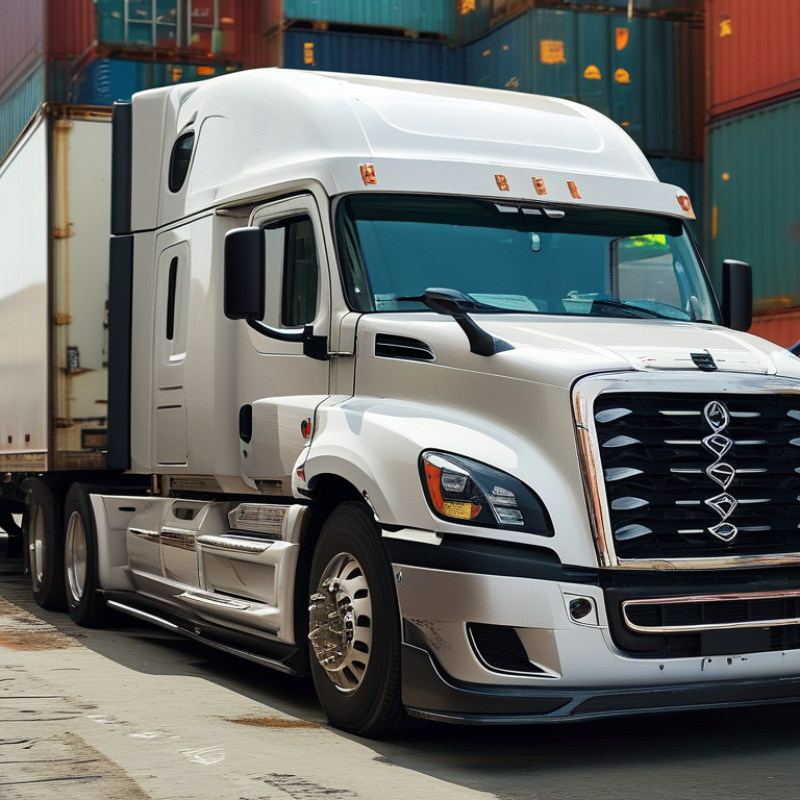
What Local Car Transport Means for Global Vehicle Buyers
Why Choose Local Car Transport for Global Vehicle Buyers?
For global vehicle buyers, local car transport means moving a vehicle within the destination country. It usually connects a port, inspection center, storage yard, or final delivery address. This step can decide whether an international purchase feels controlled or confusing.
A local carrier understands regional roads, loading procedures, appointment systems, and delivery restrictions. That knowledge matters when a vehicle arrives at a busy port or a narrow residential street. Not every destination accepts large carriers. Some require scheduled access or specific unloading equipment. A careful coordinator confirms the vehicle identification number, condition, documents, and receiving hours before dispatch. Small details matter. Photos taken before loading can help resolve damage questions later.
Local transport does not replace customs clearance, taxes, or import approval. Those responsibilities should remain clearly separated. Exact requirements vary by country and vehicle type, so buyers should verify them with qualified authorities or licensed professionals. Reliable transport records should include pickup details, driver contact information, delivery timing, and a signed condition report. Delays still happen. A port appointment may change, or weather may interrupt a route. That is frustrating, but honest updates are more valuable than unrealistic promises. The process is useful, though not perfect; buyers should question unclear charges and request written terms before the vehicle moves.
Why Choose Local Car Transport for Global Vehicle Buyers? - What Local Car Transport Means for Global Vehicle Buyers
| Data Dimension | What Local Car Transport Means | Why It Matters to Global Buyers | Typical Practical Information |
|---|---|---|---|
| Transport Scope | Moving a vehicle within the country or region where it was purchased, stored, inspected, or exported. | It connects the vehicle’s original location with an export facility, inspection center, storage yard, or port. | Common movements include dealership-to-port, auction-to-yard, warehouse-to-port, and port-to-inspection facility. |
| Main Transport Modes | Road transport using open or enclosed vehicle carriers, flatbed trucks, or specialized vehicle trailers. | The buyer can select a method based on vehicle value, weather exposure, distance, and condition. | Open carriers generally carry multiple vehicles; enclosed transport provides greater protection but usually costs more. |
| Typical Local Distance | The distance between the vehicle’s origin and its next logistics point. | Shorter domestic movements can simplify coordination before international shipping begins. | Local moves may range from a few miles to several hundred miles, depending on the vehicle’s location and export route. |
| Estimated Transit Time | The time required to collect and deliver the vehicle locally. | A predictable local schedule helps reduce missed vessel cutoffs, storage charges, and export delays. | Short routes may take one to two business days; longer domestic routes commonly require several business days. Weather, traffic, and vehicle availability can change timing. |
| Vehicle Condition | Transport arranged according to whether the vehicle is running, damaged, oversized, or unable to move independently. | Correct equipment helps prevent loading problems and unexpected handling costs. | Non-running vehicles may require a winch, forklift, wheel dollies, or other loading equipment. |
| Pre-Export Inspection | Local delivery to an independent inspection point before export documentation or shipment. | Inspection can identify visible damage, missing items, odometer details, and condition issues before the vehicle leaves the country. | A condition report should record photographs, mileage, exterior condition, interior condition, and vehicle identification details. |
| Port and Terminal Access | The final domestic movement to a port, rail terminal, container facility, or vehicle processing yard. | Timely arrival supports export booking, terminal appointments, and loading preparation. | Drivers may need release documents, delivery instructions, identification details, and terminal appointment information. |
| Documentation Support | Collection and delivery records generated during the domestic transport stage. | Accurate records help align the vehicle with customs, export, insurance, and international shipping documents. | Useful records include the pickup authorization, vehicle identification number, condition report, delivery receipt, and photographs. |
| Cost Factors | The local transport price is influenced by distance, vehicle size, operating condition, route demand, and transport type. | Understanding cost drivers makes it easier to estimate the total landed cost of an imported vehicle. | Additional charges may result from storage, tolls, waiting time, remote pickup locations, non-running vehicles, or special equipment. |
| Risk Management | A controlled domestic transport step with documented handovers and vehicle condition checks. | It reduces uncertainty before the vehicle enters the longer international logistics chain. | Buyers should confirm insurance coverage, cargo limits, damage-reporting procedures, and responsibility at pickup and delivery. |
| Best Use Case | Moving a purchased vehicle from its current location to the next export or processing point. | It is especially useful when the buyer is overseas and cannot arrange collection, inspection, or port delivery personally. | The service is most valuable when the vehicle is located far from the export port, requires inspection, or has special loading requirements. |
Note: Transit times, service availability, and charges vary by route, season, vehicle condition, local regulations, and terminal requirements. The figures and ranges above are general industry guidance rather than company-specific data.
Related Posts
-

How to Choose the Best International Car Transport Service?
-

Top Tips for Hassle Free International Vehicle Transport Services
-
How to Ship Auto Transport Effectively and Safely?
-
2026 Top Car Mover Auto Transport Services For Global Buyers?
-
10 Essential Tips for Smooth Car Shipping: Save Time and Money
-

How to Choose the Best Local Auto Transport Service for Your Needs?

