2026 Best Fast Car Transport Companies for Global Buyers?

Choosing the 2026 best fast car transport companies requires more than comparing delivery promises. Global buyers need speed, documented handling, transparent pricing, and lawful cross-border procedures. A reliable fast car transport provider should explain every stage, from vehicle pickup to port delivery and final customs clearance. It should also provide valid carrier credentials, cargo insurance details, and a written service agreement.

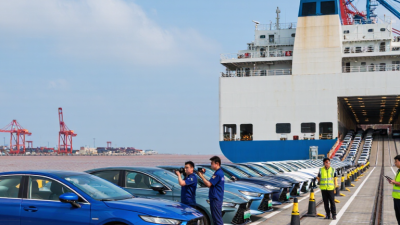
This guide examines companies that serve international buyers with different vehicle types and shipping needs. Some specialize in enclosed transport for high-value sports cars. Others combine road transport with ocean freight through major ports. Picture a covered trailer, a recorded odometer reading, and photographs of each vehicle panel before loading. Small details can prevent expensive disputes later. Real-time tracking is useful, but it does not replace responsive customer support.

No company performs perfectly in every country. Delivery estimates can change because of weather, port congestion, inspections, or incomplete paperwork. That reality deserves attention. A low quote may exclude terminal fees, storage charges, or destination handling. Buyers should verify import requirements with official customs authorities and use properly licensed professionals when necessary. This article compares service quality, international experience, communication, protection measures, and value. Reviews and industry claims can become outdated, so readers should confirm current policies before booking. A careful choice may take longer. It can also prevent a rushed and costly mistake.

2026 Best Fast Car Transport Companies for Global Buyers?

What Defines a Fast Car Transport Company in 2026?

A fast car transport company in 2026 does more than promise a short delivery window. It combines accurate route planning, responsive communication, and properly prepared vehicles. Experienced coordinators review pickup locations, port schedules, road conditions, and customs requirements before confirming a quote. They also explain possible delays instead of hiding them in fine print.

Fast does not mean reckless. A reliable carrier uses secure loading equipment, documented vehicle inspections, and tracking updates at key stages. For electric vehicles, staff should understand battery levels, charging limits, and safe handling procedures. Buyers should receive clear information about insurance coverage, delivery procedures, and required documents. Vague answers are warning signs.

Real transport speed depends on consistency. A vehicle collected on Tuesday should not disappear from communication until arrival. Good teams provide a named contact and practical updates when plans change. Digital tracking helps, but it is not perfect. A location signal may pause at a port or during a handover, which can cause unnecessary worry. Weather, inspections, and sailing changes can also affect an estimated date. The honest approach is to offer a realistic range and explain the reason behind each adjustment. Sometimes the fastest option is not the cheapest, and sometimes paying more brings little improvement. Careful comparison still matters.

How International Buyers Should Compare Delivery Speed and Coverage

For global buyers, delivery speed should be measured across the entire journey, not just ocean transit. A quoted transit time may exclude vehicle pickup, export handling, customs clearance, and final delivery. These stages often move at different speeds. Weather matters too. A vehicle leaving a major port may travel faster than one collected in a remote region.

Coverage deserves equal attention. Check whether the provider serves your pickup area, destination city, and preferred delivery method. Some routes offer port-to-port service only, while others arrange door-to-door delivery. Ask about transfer points, remote-area fees, and regional service limits. A professional provider should explain these details before payment. Clear answers are important.

Compare insurance terms, tracking tools, and document support alongside estimated speed. Confirm what happens if customs requests additional paperwork or the vehicle misses a scheduled sailing. Tracking may show movement, but it may not explain delays. A low price can hide limited coverage or slower inland handling. Experience suggests that a two-day advantage is not always valuable if communication is poor. I would also question any company promising identical delivery times for every country. Routes, seasons, port capacity, and local procedures change. A reliable comparison weighs realistic timing against complete coverage, transparent protection, and responsive support.

Which Shipping Methods Offer the Fastest Global Car Transport?

For buyers asking which shipping methods offer the fastest global car transport, air freight is usually the quickest option. The flight may take only one to three days. Handling, customs clearance, and inland delivery can extend the total time to five to fourteen days. IATA reported an 11.3% increase in global air-cargo demand during 2024, showing strong capacity pressure and possible rate changes.

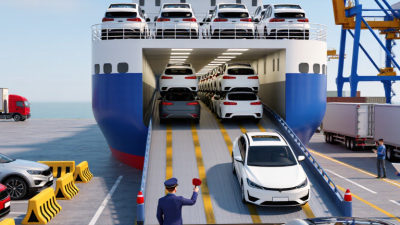
Rail transport can provide a practical middle ground on selected international corridors. It often takes two to four weeks, including terminal transfers. However, border changes, wagon availability, and regional disruptions can reduce reliability. UNCTAD’s Review of Maritime Transport 2024 also highlights continuing pressure on shipping networks and transit planning. Sea freight remains slower, but RoRo services can move vehicles efficiently in three to eight weeks. Container shipping offers better protection and scheduling flexibility, yet extra loading steps may add days.

Tips: Request a door-to-door timeline, not only the sailing or flight time. Ask whether the quote includes export handling, port storage, customs brokerage, and final delivery. Confirm the vehicle’s condition report before loading. A small delay at one port can erase the advantage of a faster route. I would also compare two transport plans, because the fastest option on paper is not always fastest in practice. Insurers and freight forwarders should verify route restrictions before booking.

2026 Best Fast Car Transport Options for Global Buyers — Which Shipping Methods Offer the Fastest Global Car Transport?

Speed Rank Shipping Method Typical Port-to-Port Transit Typical End-to-End Time Best Use Case Vehicle Requirements Cost Level Main Speed Risks
1 Dedicated Air Freight 1–5 days in the air; schedules vary by route 7–21 days, including pickup, export, handling, customs and delivery High-value, time-critical or irreplaceable vehicles Usually must be operational or safely prepared for aircraft loading; fuel and battery rules apply Very high Aircraft capacity, dangerous-goods approval, airport handling and customs clearance
2 Premium RoRo Shipping 14–35 days on established trade lanes 25–55 days, depending on inland distance and sailing frequency Running cars shipped between ports served by vehicle carriers Typically operational, with limited fuel and personal-item allowances; non-running vehicles may require special handling Medium Fixed sailing dates, port congestion, transshipment and weather
3 Dedicated FCL Container 20–45 days by ocean, route dependent 30–65 days, including stuffing, export processing and delivery Luxury, classic, modified or non-running vehicles needing enclosed protection Running status is generally less restrictive; vehicle must be secured and prepared to container-loading rules Medium to high Container availability, inland drayage, port queues and customs inspections
4 Priority Shared Container 25–55 days by ocean 35–75 days, depending on consolidation timing Buyers seeking a balance between protection, capacity and price Most vehicle types are accepted; dimensions and loading configuration must fit the shared container plan Medium Waiting for other cargo, warehouse consolidation, deconsolidation and additional handling
5 Rail–Sea Multimodal Transport 25–50 days for the international line-haul portion 35–70 days, depending on border crossings and final delivery Selected corridors where rail can reduce inland distance before or after ocean transport Usually suitable for secured containerized vehicles; route and terminal compatibility must be confirmed Medium Rail capacity, border procedures, gauge changes, sanctions and route disruptions
6 Standard RoRo Shipping 25–60 days, depending on route and port calls 35–80 days, including inland transport and clearance Cost-sensitive buyers shipping standard, operable cars Normally must roll, steer and brake; personal belongings are commonly restricted Low to medium Less frequent sailings, port rotation, congestion and vessel schedule changes
Planning note: Transit times are realistic planning ranges rather than guaranteed delivery dates. They generally exclude import duties, taxes, destination inspections, registration and long customs holds. The fastest option depends on the origin–destination route, airport or port availability, vehicle condition, documentation accuracy and customs requirements.

How to Check Licensing, Insurance, and Customs Expertise

A fast car transport company must prove more than delivery speed. Check the carrier’s government license number in the issuing authority’s online registry. Confirm its status is active, not merely listed. Check the registry.

Request a current insurance certificate sent directly by the insurer. Review cargo limits, deductibles, theft protection, storage coverage, and damage exclusions. A policy covering vehicles in transit may exclude loading, port storage, or customs delays. That detail matters. The Allianz Safety and Shipping Review 2024 recorded 26 total losses involving large ships in 2023, showing why marine risk controls deserve close attention. Ask for the carrier’s claims procedure and recent claims-handling timeline. A clean website is not proof. I would not rely on screenshots alone.

Customs expertise requires separate verification. Ask who prepares the commercial invoice, export declaration, import entry, valuation, and duty classification. Confirm whether the company uses an authorized customs broker in each destination country. The World Bank’s 2023 Logistics Performance Index assessed 139 economies and included customs efficiency as a core measure. Delays often begin with incomplete vehicle descriptions or inconsistent values. UNCTAD’s Review of Maritime Transport 2024 reported 2.4% growth in global maritime trade during 2023, adding pressure to ports and documentation teams. Request sample documents with sensitive data removed. Compare the vehicle identification number, ownership details, declared value, and consignee name across every form. Small mismatches can become expensive. Recheck everything.

How to Select the Best Transport Company for Your Budget and Destination

Choosing a fast car transport company starts with the destination, not the advertised speed. The World Bank’s Logistics Performance Index 2023 assessed 139 economies across customs, infrastructure, and delivery reliability. Its five-point scale shows why routes through well-connected ports may cost more but reduce delays. Check port access, border procedures, inland distance, and seasonal congestion before accepting a quote.

Ask for an itemized estimate. It should separate ocean freight, terminal handling, inland delivery, customs support, insurance, and storage. A low headline price can become expensive quickly.

UNCTAD’s Review of Maritime Transport 2024 states that ships carry over 80% of global trade by volume.

Yet maritime service levels vary by route, so “fast” needs a written delivery window.

Request the sailing schedule, transfer points, tracking method, and delay policy.

Match the transport method to your budget and vehicle. Enclosed movement offers better protection, but open movement usually costs less.

For a high-value vehicle, confirm coverage limits, deductibles, inspection photographs, and exclusions before payment.

I would also verify the company’s operating history and complaint process. That step is easy to skip. It should not be.

Compare at least three complete quotes using the same destination, vehicle dimensions, pickup date, and delivery terms. The cheapest option may simply exclude a necessary service.

Always confirm current import requirements with the destination authority, because rules and fees can change.