China Best Car Shipping Transport Guide for Global Buyers?
Buying a vehicle from China can be exciting, but international delivery requires careful planning and realistic expectations. This guide explains car shipping transport for global buyers, from supplier verification to final delivery. It focuses on practical decisions that affect cost, timing, vehicle condition, and customs clearance.
A reliable shipment begins with accurate vehicle details. Confirm the model, dimensions, weight, fuel type, battery status, and purchase documents before requesting quotations. Small errors can change the shipping price. They can also delay port handling. Buyers should compare RoRo and container options, considering protection, loading schedules, and destination availability. Container shipping may provide extra security, while RoRo can be simpler for eligible vehicles.
Experience matters here.
Professional freight forwarders should explain every charge clearly. These may include inland transport, export handling, ocean freight, insurance, destination fees, and import taxes. Buyers should also check official customs guidance in the destination country. Requirements can differ by vehicle age, emissions standard, left-hand or right-hand drive, and safety certification. Do not rely only on a seller’s promise. Ask for written evidence and independently verify important claims.
Even careful planning cannot remove every risk. Weather, port congestion, inspections, or document corrections may extend delivery times. I have seen buyers focus on the lowest quote and overlook storage fees or unloading arrangements. That assumption can become expensive. A trustworthy process includes cargo photos, inspection records, tracking updates, and a clear complaint procedure. With informed decisions and qualified partners, global buyers can make China vehicle shipping more predictable, transparent, and professionally managed.
Choosing the Right China Car Shipping Method for Your Destination
Choosing the Right China Car Shipping Method for Your Destination
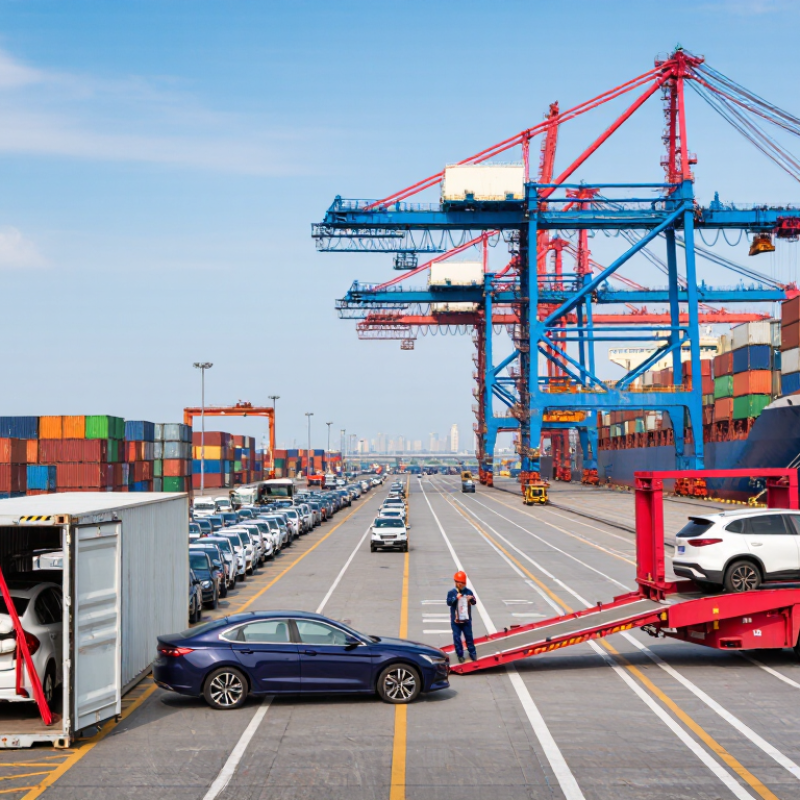
Your destination should decide the shipping method, not only the lowest quote. RoRo shipping suits working vehicles with standard dimensions. Cars are driven onto a vessel and secured on a dedicated deck. This option often costs less, but sailing schedules may be less flexible. Container shipping provides stronger protection from weather and handling risks. It also supports spare parts or personal accessories when properly declared.
Your inland distance matters too. A vehicle may travel by truck or rail from a Chinese warehouse to the export port. After arrival, customs clearance, port storage, and final delivery can affect the total cost. For remote destinations, direct port service may be less practical than a nearby hub with reliable inland transport. A licensed forwarder should explain insurance, document requirements, estimated transit time, and destination charges in writing. Do not rely on a vague “all-inclusive” promise.
Tips: Compare at least three detailed quotations. Check the vehicle’s size, weight, and running condition. Confirm whether the destination port accepts the selected method. Ask about weather protection and inspection procedures. Keep invoices, export documents, and tracking records together. Small details matter. A practical mistake is choosing a port only because it looks cheaper. Inland fees can quickly change the final price. Always verify current import rules with the destination’s customs authority before shipment.
China Best Car Shipping Transport Guide for Global Buyers? - Choosing the Right China Car Shipping Method for Your Destination
| Shipping Method |
Best-Suited Destinations |
Typical Transit Time* |
Relative Cost |
Vehicle Capacity |
Main Advantages |
Important Considerations |
| RoRo Shipping |
Large ports in Europe, the Middle East, Africa, Oceania and the Americas |
Approximately 20–45 days port-to-port |
Low to medium |
Usually one drivable vehicle per position |
Cost-efficient for standard vehicles; quick vehicle loading and unloading |
The vehicle generally must be operable; personal items may be restricted; sailing schedules can be less frequent |
| Container Shipping |
Most international destinations with regular container services |
Approximately 25–50 days port-to-port |
Medium |
One vehicle in a dedicated container, or multiple vehicles in a shared container when permitted |
Better protection from weather and handling; suitable for non-running vehicles and approved spare parts |
Loading, lashing, inspection and destination handling charges can increase the total cost |
| Rail Freight |
Land-linked markets in Central Asia, Eastern Europe and selected European inland terminals |
Approximately 15–35 days, depending on route and border procedures |
Medium to high |
Varies by rail wagon, terminal and vehicle dimensions |
Faster than ocean transport on suitable routes; useful for inland destinations |
Route availability, gauge changes, border controls and seasonal capacity may affect timing |
| Truck Transport |
Neighboring countries and destinations connected by reliable road corridors |
Approximately 2–15 days after border clearance |
Low to high, depending on distance |
One or more vehicles, depending on the carrier and trailer type |
Door-to-door flexibility; suitable for short-distance and cross-border deliveries |
Border queues, road permits, fuel costs, insurance and vehicle restrictions must be checked |
| Air Freight |
Worldwide destinations requiring urgent delivery |
Approximately 3–10 days airport-to-airport |
Very high |
Limited by aircraft door size, payload and airport handling facilities |
Fastest international option for prototypes, premium vehicles and urgent shipments |
Usually uneconomical for ordinary passenger vehicles; dangerous-goods and battery rules may apply |
| Multimodal Transport |
Inland destinations requiring a combined sea, rail, truck or barge solution |
Approximately 25–60 days door-to-door |
Medium to high |
Depends on the selected combination and container or carrier capacity |
Connects inland areas to international ports; can balance cost, coverage and transit time |
More handoffs create additional coordination, documentation and potential delay points |
Note: Transit times are general port-to-port or airport-to-airport estimates and exclude export preparation, customs clearance, inland delivery, port congestion and exceptional weather or regulatory delays. Final costs depend on vehicle size, destination, season, insurance, duties, taxes and local handling charges.
Checking Vehicle Eligibility, Documents, and Import Regulations
China Best Car Shipping Transport Guide for Global Buyers?
Vehicle eligibility must be checked before booking transport from China.
Confirm the VIN, manufacturing date, steering side, dimensions, emissions class, and safety standard. Some countries reject vehicles that lack approved lighting, crash testing, or charging equipment. Electric vehicles need extra review because battery capacity, chemistry, and transport declarations may affect acceptance.
Prepare the commercial invoice, purchase contract, export declaration, original title, certificate of conformity, bill of lading, and insurance certificate. Customs may also request a translated invoice or a certificate showing no outstanding finance. A clean-looking file can still fail. Check every name, VIN, value, and date against the vehicle. Small errors create expensive delays at the port.
UNCTAD’s Review of Maritime Transport reports that ships carry over 80% of global merchandise trade by volume, but sea transport does not remove local import duties or inspection rules. The IEA’s Global EV Outlook 2024 recorded nearly 14 million electric car sales in 2023, increasing scrutiny of battery documentation and charging compatibility. Before shipping, ask the destination customs authority for current duty, VAT, age-limit, emissions, and registration requirements. A qualified customs broker can verify these rules, although broker advice should not replace written confirmation from officials. Personally, I would treat eligibility as unfinished until the importer receives that confirmation.
Comparing China Car Shipping Routes, Costs, and Transit Times
China Best Car Shipping Transport Guide for Global Buyers?
Route choice changes both price and delivery risk.
For west-coast North American ports, RoRo transit often takes
18–25 days. East-coast routes may require
30–40 days, especially through the Panama Canal. Shipments to Northern Europe usually take
30–40 days through the Suez Canal. Middle East services can take about
18–25 days. These estimates reflect normal port conditions, not guaranteed arrival dates.
Costs move more sharply than transit times.
Recent Freightos Baltic Index data shows container prices can change significantly within weeks. For one vehicle, container shipping from China commonly falls near
USD 2,000–5,000 before destination charges. RoRo pricing may range from
USD 1,200–2,500, depending on vehicle size, port, season, and sailing availability. UNCTAD’s Review of Maritime Transport 2024 also highlights continuing pressure from rerouting, congestion, and higher operating costs.
Small fees accumulate.
Budget for export handling, terminal charges, insurance, customs processing, and inland delivery. Ask for a written quote with each item separated. Do not compare only the ocean rate. A low quote can hide expensive destination fees. In practice, container shipping offers better protection for high-value vehicles, while RoRo may suit standard, operable cars. This is not absolute. Weather delays, inspections, and missed sailings still occur. Even experienced buyers should keep a
one-week buffer, because published schedules often look cleaner than real port operations.
Managing Customs Clearance, Taxes, and Port Delivery
For global buyers, car shipping does not end when the vessel reaches port. Customs clearance often determines the real delivery time. Prepare the commercial invoice, purchase contract, packing details, and vehicle identification number early. Customs officials may also request proof of origin, inspection records, or safety documents. Requirements differ by destination.
Taxes need careful calculation. Import duty, value-added tax, registration charges, and port fees may apply separately. The taxable value can include the vehicle price, freight, and insurance. Ask a licensed customs broker to confirm the correct tariff classification. A small error can delay release or create unexpected costs. Do not rely on an online calculator alone.
Port delivery requires practical planning. After customs approval and payment, arrange terminal pickup, inland transport, and local registration. Check free storage days before arrival. Delays can create daily storage or demurrage charges. Keep every receipt and clearance notice. Digital copies help when documents are requested again. A perfect estimate is rarely possible. Weather, inspections, and missing paperwork can change the schedule. I have found that buyers often focus on ocean freight, while port handling quietly increases the final bill. Confirm who pays each charge, where the vehicle will be collected, and what happens if clearance takes longer than expected.
China Car Shipping Transport Guide for Global Buyers
China's total automobile exports increased from 0.995 million units in 2020 to 5.859 million units in 2024. Higher export volumes make accurate customs documentation, tax planning, and port delivery coordination increasingly important.
Planning note: Import duty, VAT or sales tax, customs fees, and port charges depend on the destination country, vehicle type, declared value, engine or energy system, and local regulations. Buyers should confirm the applicable requirements before shipment.
Inspecting and Receiving Your Vehicle After International Shipment
Inspecting and Receiving Your Vehicle After International Shipment
Receiving a vehicle after ocean transport requires patience, bright light, and careful records. Before unloading, compare the vehicle with the original inspection report and shipping photographs. Check the container seal, exterior panels, windows, wheels, and mirrors for fresh damage. Look closely at door edges and the lower body. Salt residue can hide scratches.
Take timestamped photographs from every side, including the roof and underbody when safely accessible. Record the odometer, fuel level, warning lights, and visible fluid leaks. Open the trunk and cabin slowly. Check for moisture, unusual odors, missing tools, or loose interior parts. Do not start the engine if water or severe damage appears present.
Review the delivery receipt before signing it. Write specific observations, not vague comments such as “possible damage.” Ask the transport representative to acknowledge each noted issue. Keep the inspection report, photographs, receipt, and communication together. These details support a fair damage review.
I once focused too heavily on exterior scratches and overlooked damp carpeting. That mistake was avoidable. A second inspection after unloading is wise. Some problems appear only after the vehicle rests in a dry, well-lit area. If the car needs mechanical testing, use a qualified technician and follow the receiving terms in your shipment agreement.


 Track Your Shipment
 Online Enquiry
 Sign In
 English