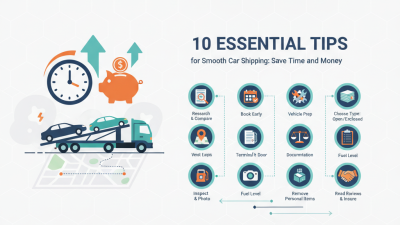
Choosing China’s Best Fast Car Transport Services for Global Buyers requires more than comparing delivery promises. A fast car transport provider must balance speed, vehicle safety, customs coordination, and clear communication. A low price can look attractive, but unclear insurance terms may create expensive surprises later.
Logistics specialist Dr. Jean-Paul Rodrigue has stated, “The faster the flow of goods, the lower the inventory costs.” This principle also applies to vehicle shipping. However, speed alone is not enough. A reliable company should explain pickup windows, port handling, tracking updates, and expected delays before payment. Buyers should also confirm the carrier’s experience with their destination country and vehicle type.
Details matter. A professional team photographs the car before loading, records existing scratches, and checks tire pressure. It should provide a written quotation with terminal, documentation, and delivery charges separated. Communication should remain practical, not overly optimistic.
Real experience is often less perfect. Weather can delay a vessel. Port congestion can extend delivery by several days. I would not trust any company promising identical arrival dates for every route.
The strongest fast car transport service is therefore not simply the quickest option. It is the provider that offers realistic schedules, documented procedures, responsive support, and accountable handling. Global buyers should compare verified reviews, insurance coverage, tracking quality, and contract details before choosing a partner for international vehicle delivery.
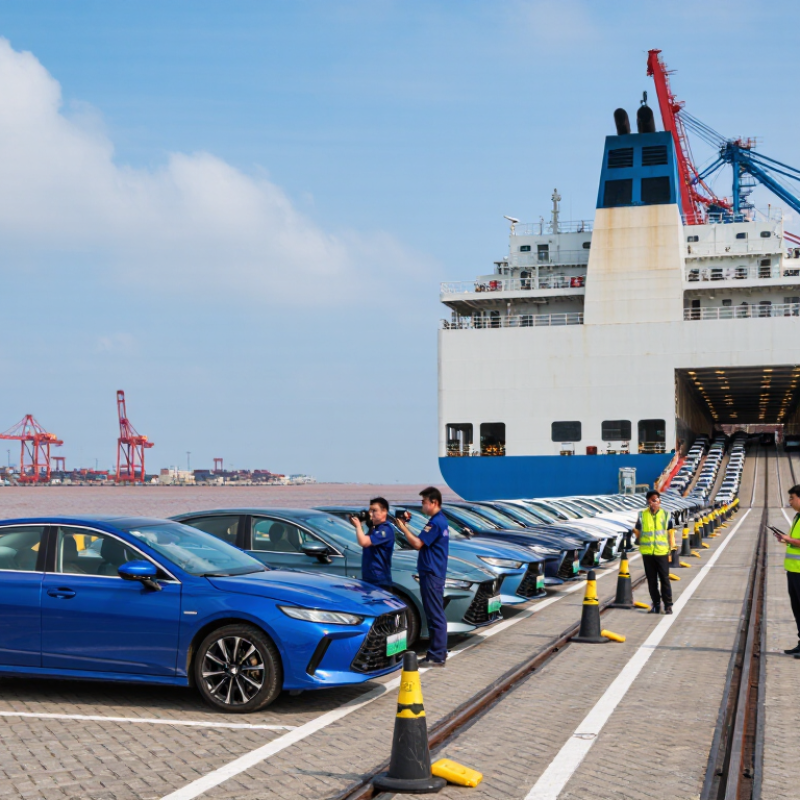
China has become a leading source of fast car transport services because its logistics network is unusually dense. The China Association of Automobile Manufacturers reported 5.86 million vehicle exports in 2024, up 19.3% year on year. This volume supports frequent sailing schedules, consolidated loading, and stronger port coordination. China’s Ministry of Transport also recorded more than 330 million TEUs in container throughput during 2024. That capacity gives exporters practical routing choices.
Speed depends on more than a vessel’s departure date. Exporters can arrange vehicle inspection, VIN verification, secure loading, and digital tracking before the car reaches the port. The World Bank’s 2023 Logistics Performance Index ranked China 19th globally, reflecting reliable customs processes and transport infrastructure. Still, delays happen. Port congestion, weather, document corrections, or a missed sailing can add several days. A cheaper route may also create longer handling time. That trade-off deserves closer attention.
Tips: Request a complete timeline, not only a freight quotation. Confirm pickup, port arrival, loading, sailing, and destination delivery dates. Ask for photos of the vehicle’s condition before loading. Check insurance limits and documentation responsibilities. A professional provider should explain exceptions clearly, even when the answer is inconvenient. Fast service is valuable, but predictable handling is often more important.
Global buyers comparing China’s vehicle shipping providers should examine the full transport chain, not only the quoted ocean rate. UNCTAD’s Review of Maritime Transport reports that ships carry over 80% of global merchandise trade by volume. This scale does not guarantee smooth service for one vehicle. Ask whether the quote includes factory pickup, export handling, port fees, ocean freight, insurance, customs documents, and destination delivery. A low offer may exclude several charges. That mistake is common.
Request both RoRo and container options when suitable. RoRo can reduce handling, while containers may offer stronger protection for high-value vehicles. Compare sailing frequency, estimated transit time, cargo inspection procedures, and damage-claim timelines. The World Bank’s Logistics Performance Index 2023 highlights tracking, customs, infrastructure, and delivery reliability as core logistics measures. Use those measures during provider interviews. Can the provider show shipment milestones, a sample bill of lading, and written liability terms? Ask for real transport records, not polished promises.
Cost comparisons should also reflect market volatility. The Drewry World Container Index has shown that container prices can change sharply with capacity disruptions and route pressure. Therefore, confirm the quote’s validity period and surcharge rules. Keep photos of the vehicle, keys, dashboard, and loading condition. Small details matter. I would still allow extra time, because published estimates can ignore port congestion or document corrections. A careful spreadsheet often exposes the “cheapest” option as incomplete.
For global buyers comparing China vehicle shipping providers, port-to-port ocean transit time is a useful starting point. The ranges below are indicative planning estimates for common China export routes; actual timing varies by origin port, destination port, sailing schedule, customs clearance, transshipment, and inland delivery.
Choosing the fastest international car delivery method depends on urgency, budget, vehicle size, and destination infrastructure. RoRo shipping is usually efficient for operable cars because vehicles drive directly onto the vessel. It reduces handling and often lowers costs. The UNCTAD Review of Maritime Transport reports that maritime shipping carries over 80% of global merchandise trade by volume. That scale supports stable ocean schedules, but port congestion can still add several days.
Container shipping suits damaged, premium, or non-running vehicles. A car receives stronger protection inside a sealed unit. However, loading takes more planning, and shared containers may create scheduling delays. Air freight is the quickest option for urgent delivery. IATA reports that air cargo represents more than 35% of global trade value, despite carrying less than 1% by volume. The speed is real. The price can be difficult to justify.
In practical shipment planning, the fastest route is not always the best route. A vehicle may reach the destination airport quickly, then wait for customs clearance or inland trucking. The World Bank’s 2023 Logistics Performance Index highlights customs, tracking, and delivery reliability as key logistics factors. Buyers should compare door-to-door transit time, not only sailing or flight time. I would also allow a small buffer for inspections and port handling. Estimates can be overly optimistic. A clear vehicle condition report, accurate dimensions, and complete export documents usually prevent avoidable delays.
China Best Fast Car Transport Services for Global Buyers?
What Documents and Customs Steps Are Required for Vehicle Shipping
Fast vehicle shipping from China depends on accurate paperwork, not speed alone. Before booking transport, the buyer should confirm the vehicle identification number, sales invoice, and payment record. A passport copy is often needed for private buyers. Companies may need registration documents and an authorized signatory’s details. The export declaration must match the vehicle data exactly. Even one incorrect digit can delay clearance.
Ask the seller or freight agent for the bill of lading, commercial invoice, packing details, and certificate of origin when applicable. Used vehicles may require extra inspection records. New vehicles may need conformity certificates for the destination country. Requirements differ by port and vehicle type. Check with the destination customs authority before the car leaves China. This is the step many buyers skip. That can be expensive.
At arrival, customs may request an import permit, identity documents, purchase evidence, and proof of freight insurance. The buyer normally pays duties, value-added tax, port charges, and inspection fees. A customs broker can calculate these costs, but the buyer remains responsible for truthful declarations. I have seen estimates fail because insurance and inland delivery were omitted. Recheck the tariff code. Keep digital and paper copies. Customs rules change, and an old checklist may not be reliable.
| Shipping Stage | Required Document or Action | Usually Prepared By | Main Purpose | Typical Timing | Common Customs or Shipping Issue |
|---|---|---|---|---|---|
| 1. Vehicle and Buyer Verification | Sales invoice or purchase contract, buyer identification, and vehicle specifications including VIN, model year, engine or battery details, and declared value. | Seller and buyer | Confirms ownership, transaction value, and whether the vehicle meets the destination country's import rules. | Before booking shipment | Incorrect VIN, understated value, or missing technical details can cause document amendments or customs queries. |
| 2. Export Eligibility Check | Export declaration information, vehicle registration or deregistration evidence where applicable, and confirmation that export controls are satisfied. | Exporter, customs broker, or freight forwarder | Allows the vehicle to be legally released for export from China. | Several business days before loading | Export clearance requirements vary according to vehicle type, ownership status, and current regulations. |
| 3. Safety and Condition Inspection | Pre-shipment inspection report, photographs, odometer reading, damage record, and vehicle condition checklist. | Exporter, inspection provider, or carrier | Records the vehicle's condition before transport and supports insurance or damage claims. | Before port delivery or container loading | Personal items, leaking fluids, low battery charge, or undeclared damage may delay acceptance. |
| 4. Dangerous-Goods Review for Electric Vehicles | Battery status declaration, battery safety information, and dangerous-goods documents when required by the carrier or transport mode. | Exporter and carrier | Ensures lithium-ion batteries are accepted and handled under applicable maritime, air, or road transport rules. | Before booking and loading | Battery damage, an incorrect state-of-charge declaration, or missing safety data can prevent loading. |
| 5. Export Customs Declaration | Commercial invoice, packing or vehicle list, export declaration, VIN details, and transport booking information. | Exporter or licensed customs broker | Provides customs with the information needed to assess and release the vehicle for export. | Before the export cutoff | The invoice, declaration, and booking must match on VIN, quantity, value, and exporter information. |
| 6. Port or Terminal Delivery | Vehicle handover receipt, gate-in record, booking reference, and container or roll-on/roll-off instructions. | Carrier, terminal, or freight forwarder | Confirms that the vehicle has entered the approved export facility before the shipping deadline. | Usually one to several days before departure | Late arrival, incorrect dimensions, or failure to follow terminal instructions can result in storage or rebooking costs. |
| 7. Ocean or Multimodal Transport | Bill of lading or sea waybill, shipping instructions, container number where applicable, and cargo insurance certificate if purchased. | Carrier or freight forwarder | Acts as evidence of carriage and identifies the shipment, consignee, loading port, and destination port. | Issued after loading or booking confirmation | Consignee names, addresses, and destination details should match the import declaration. |
| 8. Import Pre-Arrival Filing | Import declaration, bill of lading, commercial invoice, proof of purchase, VIN, and any required electronic pre-arrival filing. | Importer or destination customs broker | Gives the destination customs authority advance information for risk assessment and clearance. | Before vessel arrival; deadline depends on destination | Late filings may lead to penalties, inspections, or cargo holds. |
| 9. Import Duty and Tax Assessment | Customs value evidence, tariff classification, country-of-origin information, and proof of payment for applicable duties, VAT, GST, or excise taxes. | Importer or customs broker | Determines the amount payable before the vehicle can be released. | Before customs release | Tax treatment differs by destination, vehicle age, engine size, emissions, fuel type, and electric-battery classification. |
| 10. Destination Compliance Inspection | Certificate of conformity, emissions or safety evidence, translated documents, and inspection or approval records when required. | Importer and approved inspection authority | Confirms that the vehicle can be legally imported, registered, and operated in the destination market. | Before registration and sometimes before customs release | Right-hand or left-hand-drive rules, lighting standards, emissions limits, and model-age restrictions vary by country. |
| 11. Customs Release and Port Pickup | Customs release notice, delivery order, terminal charges receipt, and identification for vehicle collection. | Customs broker, carrier, or importer | Authorizes the vehicle to leave the port or bonded facility. | After duties, taxes, inspections, and port charges are settled | Demurrage, storage, and handling charges may increase when release documents are incomplete. |
| 12. Local Registration | Customs release evidence, original invoice, bill of lading, foreign title or export certificate, insurance, inspection certificate, and translated documents where required. | Importer or vehicle owner | Completes the legal registration and licensing process in the destination country. | After import clearance and compliance approval | Registration authorities may require certified translations, local insurance, additional testing, or a tax receipt. |
Note: Exact documents, deadlines, tariffs, inspections, and registration requirements depend on the destination country, vehicle type, shipping method, and current customs regulations. Importers should verify requirements with the relevant customs and vehicle-registration authorities before shipment.
Choosing a reliable China-based car transport service requires more than comparing speed and price. Check whether the company legally handles international vehicle shipments and provides clear service documents. Ask for a written quotation covering pickup, port handling, ocean freight, insurance, and destination charges. Hidden fees can change a reasonable offer into an expensive mistake.
Request the vehicle inspection process before collection. Reliable providers should record mileage, exterior damage, tire condition, and photographs from several angles. Confirm how they protect the car during loading and storage. Tracking updates should include useful details, not vague messages such as “in transit.” A dedicated contact who explains delays clearly is valuable.
Review the company’s experience with your destination country. Import rules, taxes, safety standards, and required documents vary widely. The transporter should explain responsibilities without promising guaranteed customs approval. Verify insurance limits and claim procedures in writing. Speak with recent customers if possible. Real feedback often reveals slow responses or poor damage handling.
No service is perfect. I would be cautious of unusually fast promises. Ask practical questions, then judge the answers. A dependable provider may admit limitations and correct an unclear quote. Keep copies of the contract, inspection report, payment records, and shipping documents. Careful preparation makes the journey easier to monitor.