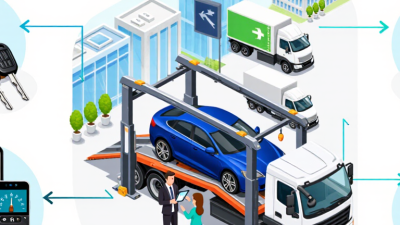
What Are the Top 10 Moving Car Transport Types?
Choosing the right moving car transport method can protect your vehicle, schedule, and budget during a relocation. The best option depends on distance, vehicle size, seasonal weather, delivery urgency, and your tolerance for handling risk. A family sedan may travel safely on an open carrier, while a restored classic may need enclosed protection and careful loading.
This guide examines ten common moving car transport types used by professional carriers. They include open transport, enclosed transport, door-to-door delivery, terminal shipping, rail transport, flatbed hauling, multi-car carriers, expedited service, and other specialized options. Each method has practical strengths and limitations. For example, open transport usually costs less, but your vehicle may face dust, rain, and road debris. Enclosed shipping offers stronger protection, though its price is often higher.
Details matter.
Reliable providers should explain insurance coverage, inspection procedures, pickup windows, cancellation terms, and delivery expectations. Before handing over the keys, photograph existing scratches, check the mileage, and remove personal items. These simple steps create useful evidence if a disagreement occurs. I have found that many transport problems begin with unclear assumptions, not dramatic accidents. Still, no carrier can promise perfect timing, because weather, traffic, mechanical delays, and loading schedules can change.
The following comparison will help you match each moving car transport type with your vehicle’s condition, route, timeline, and budget. Some choices may appear convenient but deserve closer questions. That is where careful research becomes valuable.
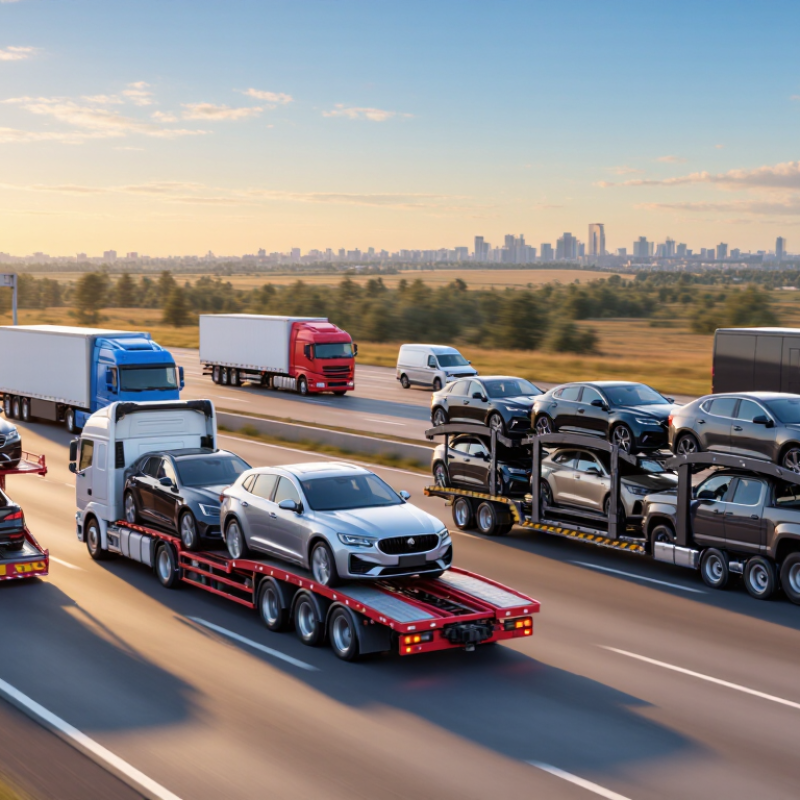
What Defines a Car Transport Type and Its Main Uses?
A car transport type is defined by how a vehicle is loaded, secured, protected, and delivered.
The main uses vary with distance, vehicle size, road conditions, and protection needs.
Ten common types include open carrier, enclosed carrier, flatbed trailer, step-deck trailer, lowboy trailer, single-car trailer, multi-car trailer, wheel-lift tow truck, tow dolly, and specialized vehicle transport.
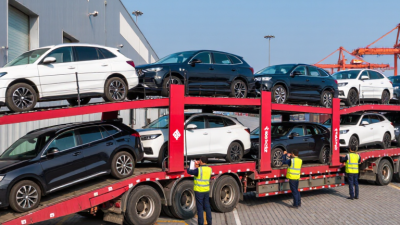
Open carriers suit standard cars and usually offer efficient pricing.
Enclosed carriers protect classic, luxury, or freshly restored vehicles from rain, dust, and road debris.
Flatbeds help move damaged, oversized, or difficult-to-load vehicles.
A wheel-lift truck works better for short urban moves.
Each type solves a different problem.
Tips:
Check the vehicle’s ground clearance, weight, tire condition, and working brakes before choosing. Photograph existing scratches in daylight. Ask how the transporter secures the car, not only how quickly it arrives.
In my experience, vague loading details often create avoidable stress. Small details matter.
The best choice is rarely universal. A family sedan may fit an open multi-car trailer, while a low sports car may need a flatbed with careful ramp angles. A heavy utility vehicle can require stronger equipment and more clearance.
Weather also changes the decision. Enclosed transport feels safer, but it may cost more and have longer scheduling windows.
The boundary between some types is not always neat. Equipment names can vary by region, so inspect the actual trailer and service terms before booking.
How Are the Top 10 Car Transport Types Classified?
How should the top ten car transport types be classified? Transport planners usually apply four practical filters: equipment, capacity, protection, and route. Equipment identifies open, enclosed, flatbed, lowboy, rollback, rail, RoRo vessel, or aircraft service. Capacity separates single-vehicle shipping from multi-vehicle loading. Protection measures exposure to weather, road debris, and handling. Route distinguishes local recovery, highway movement, rail corridors, ports, and time-critical air freight.
This framework places open multi-car and enclosed multi-car transport in one capacity group. Single-car open and single-car enclosed services follow the same equipment logic, but carry different risk profiles. Flatbeds and lowboys suit oversized, damaged, or nonstandard vehicles. Rollback trucks mainly support recovery, rather than long-distance fleet movement. Rail and RoRo transport handle volume differently. Rail follows fixed inland networks, while RoRo uses vessel decks. Air freight is fastest, but usually least economical. Small distinction. Big pricing effect.
Industry data supports this classification. The U.S. Department of Transportation’s Freight Analysis Framework estimates that trucks carry roughly two-thirds of domestic freight tonnage. The Association of American Railroads reports that railroads move nearly 75% of new cars and light trucks in the United States. These figures describe freight systems, not every shipment. A car may use rail and still require open or enclosed trucking at both ends. The boundary is not perfect. A quote based only on distance can miss loading limits, vehicle condition, or terminal access.
What Are the Key Features of Each Moving Car Transport Type?
Vehicle transport choices differ in protection, loading flexibility, speed, and handling requirements. Open single-car transport carries one vehicle on a smaller trailer, while open multi-car transport loads several cars efficiently. Enclosed transport adds solid walls and a roof, helping protect restored or high-value vehicles from dust and weather. Flatbed transport suits non-running, damaged, or unusually shaped cars because loading access is flexible. Step-deck trailers lower the vehicle platform, improving clearance for taller vehicles. Lowboy transport lowers it further and supports vehicles with limited ground clearance. Drive-away service uses a qualified driver instead of a trailer, offering direct handling but adding mileage and road exposure. Rail transport moves cars in batches and can reduce highway exposure, although schedules may be less flexible.
Expedited transport prioritizes pickup and delivery, often using dedicated equipment or tighter routing. It costs more. Terminal-to-terminal service requires the customer to deliver and collect the car, reducing door-service convenience but sometimes simplifying coordination. The American Trucking Associations’ 2024 Trucking Trends report states that trucks carried 72.6% of domestic freight tonnage in 2022, showing why road transport remains central. The American Transportation Research Institute reported trucking’s average marginal operating cost near $2.27 per mile in 2023. That figure does not equal a customer’s quote, but fuel, labor, distance, and equipment still shape pricing. I have found that enclosed transport feels safer, yet careful inspection and documented photos matter more than appearance alone. No method removes every risk.
How Do Cost, Safety, Distance, and Vehicle Size Affect the Choice?
Choosing among ten transport types starts with the vehicle, route, and risk tolerance. Open multi-car carriers usually cost least for standard cars. Enclosed carriers add protection from hail, road grit, and harsh weather. Single-car trailers offer tighter scheduling but cost more. Expedited enclosed service suits urgent, high-value moves. Rail transport can work for long distances, though terminal transfers add time. Driveaway service avoids a trailer but adds mileage, fuel use, and driver-related wear. Tow dollies fit some front-wheel-drive vehicles, not every drivetrain. Flatbed, step-deck, and lowboy trailers handle non-running, oversized, or low-clearance vehicles. That makes ten practical types.
Distance magnifies every pricing variable. The 2023 American Transportation Research Institute report placed average trucking costs near $2.27 per mile, using 2022 operating data. That figure is not a shipping quote, but it explains why cross-country moves cost more. Fuel, tolls, labor, loading time, and empty return miles also matter. For short moves, a single-car trailer may beat rail after terminal fees. For long moves, rail may reduce line-haul expense but sacrifice door-to-door convenience. Vehicle size changes the equation. A heavy SUV, lifted truck, or inoperable car needs more deck space and specialized loading equipment.
Safety depends less on the label than on the loading method. Federal Motor Carrier Safety Administration cargo-securement guidance requires tiedowns that prevent shifting, rolling, or falling. Ask how wheels, steering, battery, and loose parts are secured. Enclosed transport reduces exposure, but it cannot correct poor loading. I have misjudged this before: a low-clearance coupe needed more loading time than expected. Weather, steep ramps, and terminal handling changed the practical choice. The cheapest option can become expensive when delay or damage risk matters.
What Are the Top 10 Moving Car Transport Types?
Typical U.S. planning cost per vehicle-mile by transport method. Actual quotes vary with distance, route, season, vehicle size, condition, insurance requirements, and delivery speed.
How to choose: Open multi-car transport is usually the lowest-cost option for standard vehicles and long distances. Enclosed transport provides better protection for luxury, classic, or high-value cars. Flatbed and single-car trailers are useful for oversized, modified, damaged, or non-running vehicles. Expedited, driveaway, and specialty services cost more because they use additional labor, handling, or faster scheduling.
Which Car Transport Type Best Fits Different Moving Situations?
The best car transport type depends on distance, vehicle value, timing, and pickup conditions.
Open multi-car transport fits everyday vehicles and flexible schedules. It is usually practical for cross-country moves. Enclosed transport better protects restored, luxury, or weather-sensitive cars. The higher price may not suit a routine commuter.
Door-to-door service works well when your driveway and destination have enough clearance. Terminal-to-terminal transport can cost less when you can arrange local drop-off. Expedited shipping helps when work, housing, or travel dates cannot move.
A single-car trailer offers more scheduling control for one vehicle. Multi-car shipping suits families moving several cars together. Flatbed transport helps with oversized vehicles or cars that cannot roll safely.
Driveaway service may suit owners who accept added mileage from a professional driver. Liftgate loading is useful for low-clearance cars or vehicles needing gentler loading equipment.
I have seen small access problems delay otherwise careful plans. A narrow street, steep driveway, or weak battery can change the right choice. Measure the vehicle and access points before booking. Ask how the carrier records existing scratches, handles keys, and confirms insurance coverage. One overlooked detail can outweigh a cheaper quote.

 Track Your Shipment
 Online Enquiry
 Sign In
 English