7 Best Car Shipping Companies for International Buyers
Buying a vehicle overseas can be exciting. Getting it to your driveway is less simple. International car shipping involves more than comparing a headline price: port handling, inland transport, insurance, customs paperwork, and delivery terms can all affect the final cost and timeline.
The scale of maritime transport helps explain why details matter. UNCTAD’s Review of Maritime Transport 2024 reported that seaborne trade grew by 2.4% in 2023, reaching 12.3 billion tons. UNCTAD Secretary-General Rebeca Grynspan has described maritime transport as “the backbone of global trade and the global economy.” That backbone still has moving parts. A missed document, unclear loading plan, or unexpected port charge can complicate an otherwise routine shipment.
This guide compares seven car shipping companies for international buyers, focusing on service coverage, transport options, communication, insurance information, and quote transparency. Look for written terms, clear answers about vehicle handling, and a realistic delivery estimate—not just the lowest number on a screen. Ask what the quote excludes. Confirm who manages each leg of the journey. Even a careful comparison cannot remove every uncertainty, and company services may vary by route. That is worth remembering. The right provider depends on the vehicle, destination, budget, and how much coordination you are prepared to handle yourself.
How International Car Shipping Works for Overseas Buyers
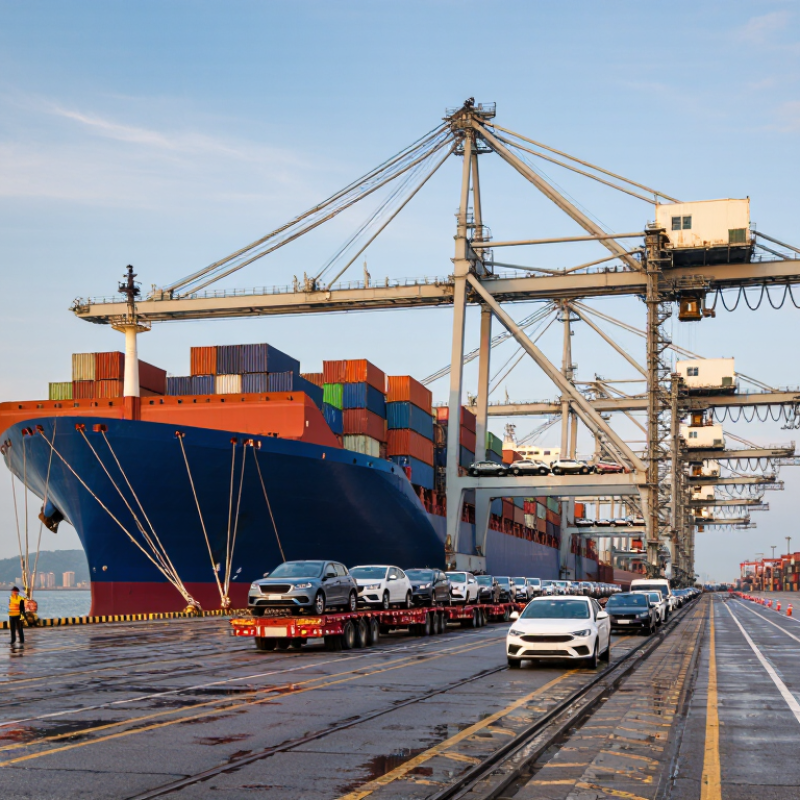
International car shipping starts with matching the vehicle, route, and delivery plan. Buyers typically choose roll-on/roll-off service or container shipping; the right option depends on the vehicle and the services available at each port. Small details matter. Share the vehicle’s dimensions, identification number, pickup location, and destination when requesting a quote. Ask whether the price includes collection, export handling, ocean freight, port charges, and final delivery. These items may appear as separate fees. UNCTAD’s Review of Maritime Transport 2024 reports that ships carry over 80% of world merchandise trade by volume, but that figure covers all goods, not cars alone.
After booking, the shipper coordinates collection, port arrival, loading, and transport documents. The buyer should confirm who manages customs clearance and which ownership or purchase records are required. Duties, taxes, and import procedures vary by destination, so verify them with the relevant local authorities before dispatch. Then comes waiting. The World Bank’s Logistics Performance Index 2023 reports an average of 44 days for an international shipment’s journey across surveyed logistics chains; this is not a guaranteed car-shipping timeline. Port congestion, vessel schedules, and document checks can all shift delivery dates. One awkward truth: even careful planning cannot make every handoff predictable. Keep copies of documents, check insurance coverage and exclusions, and request written updates when the vehicle changes hands.
What to Compare When Evaluating International Car Shipping Companies
Compare more than the headline price. Ask whether the quote covers port handling, export preparation, marine insurance, and delivery beyond the destination port. Check whether the vehicle travels in a container or by roll-on/roll-off, and request written details about loading, inspection, and damage claims. Small charges add up. UNCTAD’s 2024 Review of Maritime Transport reported that weekly Suez Canal transits were about 70% below their late-2023 peak by June 2024. Route disruptions can affect schedules, so ask how often the company updates estimates and what happens when a sailing is delayed.
Look for shipment milestones you can verify: vehicle received, loaded, departed, discharged, and released. The World Bank’s 2023 Logistics Performance Index evaluates logistics across dimensions including tracking and tracing, and timeliness. Ask for a named contact and a clear process for reporting damage or missing documents. Compare insurance limits with the vehicle’s declared value, not just the shipping fee. I would not treat a polished tracking map as proof of control; updates can lag behind events at port. A written estimate that separates fixed charges from possible destination fees is easier to assess than a low total with vague exclusions.
Seven Leading Car Shipping Companies and Their Main Services
Seven leading car-shipping providers may offer different services, even when their quotes look similar. International freight forwarders coordinate transport across several carriers. Vehicle-only specialists focus on collection, loading, and delivery updates. Container shippers secure cars inside shared or dedicated containers. Roll-on/roll-off operators move vehicles onto purpose-built ships. Each option suits different budgets and handling preferences.
Port-to-port companies manage the sea journey, while door-to-port coordinators arrange pickup from a seller or storage location. Documentation-focused providers help organize shipping records and explain which forms customers may need to prepare. Some companies combine these services; others hand work to local partners. Ask who handles each step. Small details matter, like whether the quote includes terminal handling or only ocean freight. A low price can leave gaps.
Tips: Request an itemized quote and a written list of included services. Photograph the car’s exterior, note existing scratches, and keep copies of shipping documents. Confirm estimated transit times and update procedures. These checks take time, but skipping them can create avoidable confusion.
How Routes, Costs, Transit Times, and Customs Support Differ
For international buyers, the best car shipper is the one that fits the route, not simply the lowest quote. Ro-ro service can suit running vehicles, while container shipping offers more protection and may suit shared cargo. Port pairs matter: a coastal destination can still require costly inland transport. UNCTAD’s Review of Maritime Transport 2024 reports that ships carry over 80% of world trade by volume, but that does not make every route equally frequent or predictable. Some routes have fewer sailings. That matters.
Compare the full cost breakdown: ocean freight, pickup, port handling, insurance, customs clearance, and destination delivery. Ask whether the quote includes duties and taxes; these often depend on the destination and vehicle details. Transit estimates can shift with sailing schedules, transshipment, port congestion, and inspections. The World Bank’s 2023 Logistics Performance Index covers 139 economies and measures factors including customs, infrastructure, and timeliness. It offers useful context, but it cannot predict an individual shipment. A polished quote may still leave gaps.
Tips: Request a written, door-to-door estimate with each fee listed separately. Confirm who prepares export documents and who supports destination customs clearance. Ask for the planned route, likely port stops, and a realistic delivery window—not just time at sea. Keep copies of the title, purchase invoice, and identification ready. Check that the vehicle’s details match every document. One overlooked mismatch can slow things down.
Typical ocean transit times by destination
Indicative port-to-port planning ranges for vehicle shipments from the United States. Bars show the midpoint of each range; actual schedules vary by port, route, sailing availability, and delays. These estimates exclude inland transport and customs clearance.
How to Choose a Shipper and Prepare a Car for Transport
Choosing a shipper starts with the route, not the lowest quote.
Ask whether the price covers collection, port handling, ocean freight, and delivery, and request every extra fee in writing. Confirm the sailing window, destination-port experience, cargo insurance limits, and exclusions for scratches, mechanical faults, or delays. UN Trade and Development’s Review of Maritime Transport 2024 reported maritime trade grew 2.4% in 2023, while noting disruption and rerouting risks.
Treat an estimated arrival date as an estimate.
Preparation reduces avoidable disputes.
Photograph every panel, wheel, and existing mark in daylight; record the mileage and keep copies of the condition report. Remove loose items and personal belongings, and ask the carrier for its rules on fuel level, battery charge, keys, and alarms. Requirements vary by vessel and service.
Small detail, big difference.
Allianz’s Safety and Shipping Review 2024 counted 26 total vessel losses worldwide in 2023. That figure is not a car-damage rate, but it is a reason to read coverage carefully. Before handover, check that the vehicle is clean enough for inspection, note any non-running condition or modifications, and get written loading instructions.
I would not assume a verbal promise is enough.
Keep the paperwork accessible.


 Track Your Shipment
 Online Enquiry
 Sign In
 English