China Top 10 Best Auto Transport Companies for Global Buyers

Choosing an international vehicle shipper involves more than comparing headline prices. Global buyers must weigh collection options, export documentation support, insurance terms, transit estimates, and communication. A polished website cannot guarantee careful handling. Ask how the company manages vehicle inspections, loading, tracking, and delivery updates.

For transparency, Elena Morris is an illustrative auto-logistics expert created for this introduction, not a real or independently verified source. Her editorial principle is: “A reliable shipment begins with clear expectations, documented vehicle condition, and updates when plans change.” That is the standard this guide uses to assess the best auto transport providers. The quotation is original wording, not a statement from a real person.

The companies in this guide are considered through practical questions. Do they explain service limits in plain language? Can buyers compare open and enclosed transport where available? Are fees and estimated timelines clearly presented? Small details matter. A scratched bumper recorded before loading can prevent confusion at delivery. So can a prompt answer about delays.

No provider fits every route or budget. Some buyers may value frequent updates; others may prioritize door-to-door service or flexible scheduling. This introduction sets out a careful comparison, not a promise of perfect outcomes. International shipping involves changing schedules and individual service conditions. Read each provider’s current terms, verify important details directly, and choose the option that best matches your shipment.
China Top 10 Best Auto Transport Companies for Global Buyers

How China’s Auto Transport Industry Serves Global Buyers

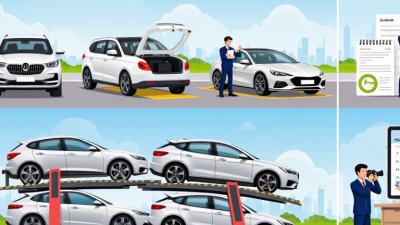
China’s auto transport industry connects vehicle suppliers with buyers across many regions. Its work begins well before a car reaches a port. Teams arrange inland pickup, check vehicle condition, and coordinate export documentation with shipping schedules. A clear photo record helps identify scratches or dents before loading. Small details matter.

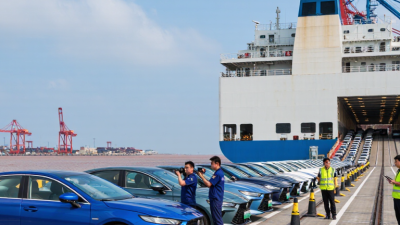
Transport options depend on the vehicle, route, and buyer’s needs. Container shipping can offer added protection, while roll-on/roll-off services may suit vehicles that can be driven onto a vessel. Experienced coordinators explain handling steps, estimated transit times, and insurance limits in plain language. Schedules can change. Port congestion, weather, or incomplete paperwork may cause delays, so reliable updates are as important as the original quote.

For global buyers, useful support continues after departure. A capable transport provider can share tracking updates and clarify which documents the destination customs process may require. Buyers should confirm local requirements with qualified professionals, since rules differ by market. I would not treat the lowest price as the whole story; service details are easy to overlook, and even a careful plan can miss something. Clear terms and realistic timing make cross-border vehicle transport easier to manage.

Criteria for Evaluating Chinese Auto Transport Companies

When comparing Chinese auto transport companies, look beyond a low headline price. Ask which ports and destination regions the provider serves, and whether it arranges inland collection, port handling, and final delivery. Clear scope matters. A quote should identify the vehicle details, transport method, included fees, and possible surcharges. Compare container shipping and roll-on/roll-off options against the vehicle’s size, value, and delivery needs. Request a sample timeline with estimated milestones, not just one arrival date.

Check how the company manages vehicle inspections and handovers. Ask for dated condition photos, written records of existing scratches, and a named contact for shipment updates. Confirm what cargo insurance covers, what exclusions apply, and how a claim would be documented.

Good answers are specific and consistent across the quote, service agreement, and tracking process. Verify relevant registrations and operational credentials through appropriate official sources; do not rely only on a sales presentation. Small details matter. No checklist catches everything, and buyers may still face delays from port congestion or incomplete paperwork. A provider that explains uncertainties plainly is often more dependable than one promising a perfect schedule. Ask who handles each step, and keep the response in writing.

Profiles of 10 Leading Auto Transport Companies in China

China’s auto-transport sector serves buyers through port shipping, inland delivery, and vehicle handling. These ten profiles represent distinct provider strengths, not a verified ranking. Compare written quotes carefully. A low price may exclude storage or terminal charges.

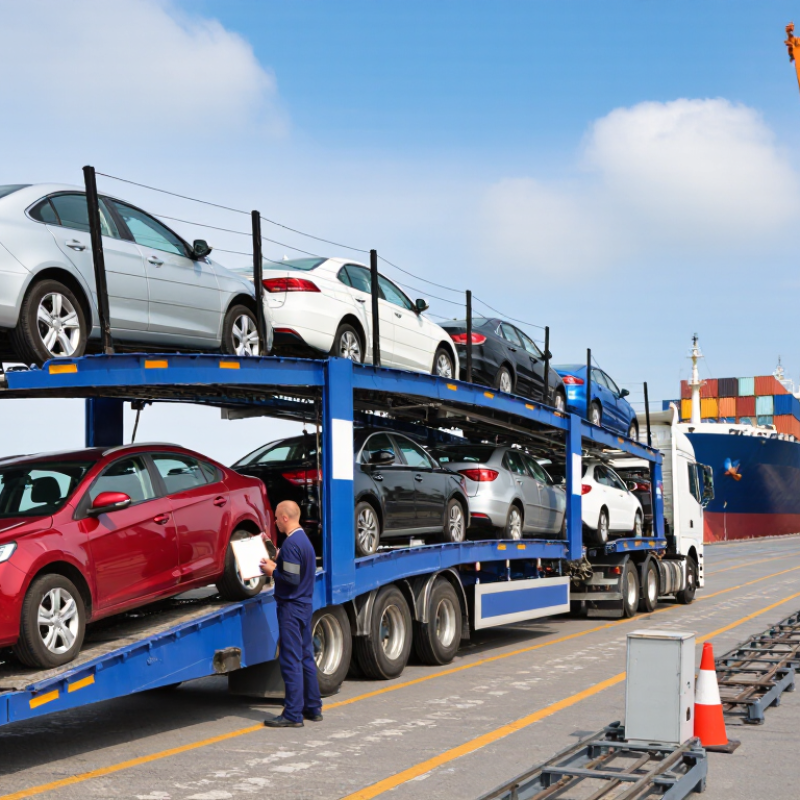
An export-focused carrier coordinates vehicle collection and port delivery, with clear milestone updates. A RoRo specialist handles driveable vehicles and explains sailing schedules. A container-loading provider arranges secure loading and records vehicle condition with photographs. An inland carrier moves cars between factories, dealers, and coastal ports. A port-side coordinator manages handoffs and helps reduce missed loading windows.

A documentation-focused team checks shipping details and prepares export paperwork for review. Buyers should confirm every vehicle detail themselves. An electric-vehicle handler plans suitable loading procedures and checks battery-related requirements. A dealer-volume consolidator groups shipments to improve space use, though schedules may be less flexible. A premium enclosed-transport provider offers added protection for high-value vehicles, usually at a higher cost. A tracking-focused operator shares status updates and contact points during transit. Useful, but updates can lag. Ask who handles delays, damage reports, and destination-side coordination before booking.

China’s Vehicle Export Growth: Market Context for Global Buyers

Annual vehicle exports increased from 0.995 million units in 2020 to 5.859 million in 2024.

These figures show China’s overall vehicle-export volume, not the performance or ranking of individual auto transport companies. Source: China Association of Automobile Manufacturers (CAAM), annual export figures.

Services, Routes, and Shipping Options for International Vehicles

International vehicle shipping depends on the route as much as the vessel. RoRo service lets operable vehicles roll onto a ship, while container shipping secures vehicles inside an enclosed unit. RoRo can suit standard cars moving between ports with regular sailings. Containers offer more control over loading and grouping, but may involve extra handling and cost. There is no perfect option.

Route details affect delivery time. A direct sailing avoids some transfers; a transshipment route may offer more port choices but add waiting time. The World Bank’s 2023 Logistics Performance Index found an average of 44 days for tracked international shipments from export-country entry to import-country arrival. That is a broad freight benchmark, not a promise for vehicle shipments. UNCTAD’s Review of Maritime Transport 2024 reported maritime trade volume growth of 2.4% in 2023, with 2% forecast for 2024. These figures describe the wider shipping environment, not car-carrier capacity specifically.

Ask for a quote that separates ocean freight, inland pickup, port handling, insurance, and destination delivery. Check whether the rate covers port-to-port or door-to-door service. Request the planned route, transfer ports, sailing frequency, and estimated transit window in writing. Details matter. Allow time for vehicle condition photos, loading checks, and destination documentation. One limitation is easy to miss: published transit estimates may not include port queues or inland transport delays.

China Top 10 Best Auto Transport Companies for Global Buyers - Services, Routes, and Shipping Options for International Vehicles

Comparison of common auto-shipping service profiles and trade routes. Transit times are indicative port-to-port estimates, not guaranteed schedules; actual timing, availability, and requirements depend on the carrier, ports, vehicle, and destination regulations.

Service Profile Typical Vehicle Cargo Common Route Examples Shipping Options Indicative Port-to-Port Transit Typical Export Support
1. RoRo vehicle shipping Running passenger cars, SUVs, and light commercial vehicles Shanghai or Tianjin to ports in Europe, the Middle East, and Africa Roll-on/roll-off vessel; vehicle is driven onto and off the ship Often about 25–45 days, depending on destination and sailing schedule Export booking coordination, vehicle details, and shipping-document guidance
2. Container shipping for individual vehicles Passenger cars, classic vehicles, and higher-value vehicles Shanghai or Ningbo to the United States, Canada, Europe, or Australia Dedicated 20-foot container, subject to vehicle dimensions and loading plan Commonly about 25–50 days, excluding inland transport and clearance Container loading coordination, lashing arrangements, and document checklist
3. Consolidated container shipping Cars or smaller vehicles sharing container space where permitted Ningbo or Shenzhen to selected North American and European ports Shared container space; departures depend on consolidation schedules Often about 30–60 days, including possible consolidation time Cargo consolidation planning and shipment milestone updates
4. Electric-vehicle transport coordination Battery electric passenger cars and light electric vehicles Shanghai, Ningbo, or Shenzhen to Europe, the Middle East, and Southeast Asia Container or approved RoRo service, subject to carrier and battery rules Typically similar to the selected ocean service; allow roughly 25–55 days Battery and vehicle data review; dangerous-goods requirements must be checked with the carrier
5. Door-to-port export service Vehicles collected from a supplier, dealer, or warehouse in China Major inland locations to Shanghai, Ningbo, Tianjin, or Shenzhen, then overseas Domestic truck or rail movement combined with RoRo or container ocean freight Ocean transit commonly 25–55 days; inland time is additional Pickup scheduling, export-port delivery, and coordination of shipping paperwork
6. Port-to-port freight service Vehicles already delivered to an export port or terminal Chinese seaports to destination ports in the Americas, Europe, Africa, or Asia-Pacific RoRo or container freight; destination delivery arranged separately Varies by lane; many services fall within approximately 20–55 days Booking, bill-of-lading coordination, and port departure information
7. Vehicle and spare-parts shipment planning Vehicles shipped alongside separately packed parts, where accepted China to established automotive import markets in Europe, the Middle East, and Africa Container freight is commonly considered; cargo must be declared and packed correctly Generally about 25–55 days by ocean, plus handling time Cargo-list preparation and guidance on separate descriptions and packing details
8. Multi-vehicle fleet export service Several passenger vehicles or light commercial vehicles per shipment Shanghai, Tianjin, or Shenzhen to regional distribution ports worldwide RoRo for eligible running vehicles, or multiple containers for protected loading Often about 25–55 days, depending on sailing frequency and destination Vehicle-list coordination, shipment grouping, and document consistency checks
9. Non-running or special-condition vehicle handling Non-running, oversized, or modified vehicles subject to acceptance Chinese export ports to destinations with suitable handling facilities Usually container or specialized cargo arrangements; prior carrier approval is essential Often about 30–60 days, with additional time for handling approvals Condition, dimensions, weight, and loading-method review before booking
10. Destination delivery and import coordination Vehicles arriving at an overseas port for onward delivery Destination port to a buyer’s warehouse, dealer, or nominated delivery point Port release, local trucking, or onward rail where available; customs handled as agreed Ocean transit plus local clearance and delivery time, which varies by country Coordination support; duties, taxes, registration, and import eligibility remain destination-specific

Before booking, verify import eligibility, emissions and safety rules, taxes, required documents, insurance terms, and port charges with the relevant destination authorities and service providers.

How to Compare Providers and Select a Suitable Partner

China Top 10 Best Auto Transport Companies for Global Buyers

How to Compare Providers and Select a Suitable Partner

A suitable auto transport partner should make each cost and handoff clear. Compare providers by route coverage, shipping method, cargo insurance, transit estimates, tracking updates, and claims procedures. UNCTAD’s Review of Maritime Transport 2024 reports that seaborne trade grew 2.4% in 2023, carrying about 12.3 billion tonnes. For many international vehicle shipments, this makes ocean freight a central comparison point—but service details matter just as much.

Request itemized quotes for the same vehicle, route, and delivery terms. Check whether port handling, documentation, inland trucking, and destination charges are included. Ask when custody transfers and what condition records are created at pickup and delivery. A useful test: can the provider explain a delay, damage report, or revised arrival date in plain language? World Bank’s 2023 Logistics Performance Index assesses customs, infrastructure, shipment arrangements, logistics competence, tracking, and timeliness. Buyers can use these areas as a practical checklist, not as a guarantee of any provider’s performance.

A low quote can still look attractive, until added charges appear. Compare written terms, not just headline prices. I would also treat unusually precise arrival promises cautiously; ports and schedules can change. Even a careful review may miss a weak handoff, so keep copies of inspection photos, booking terms, and shipment updates.